

We are a digital agency helping businesses develop immersive, engaging, and user-focused web, app, and software solutions.
2310 Mira Vista Ave
Montrose, CA 91020

2500+ reviews based on client feedback
What's Included?
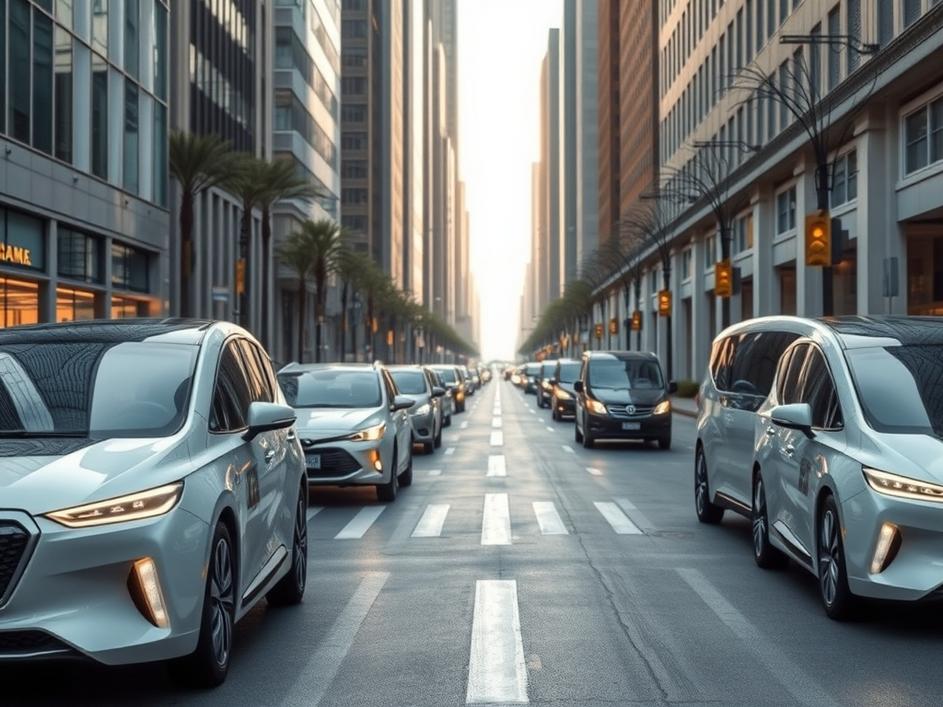
ToggleUber’s CEO, Dara Khosrowshahi, has made a bold prediction: within the next 20 years, a significant portion of Uber trips could be handled by robots. That’s right, autonomous vehicles, or robotaxis, could become a common sight on our streets, ferrying passengers without a human driver behind the wheel. This isn’t just a futuristic fantasy; it’s a real possibility that Uber is actively planning for. Khosrowshahi emphasizes that getting the regulations right is crucial to making this vision a reality. It’s a fascinating glimpse into a future where transportation is increasingly automated, and it raises a lot of questions about what that future might look like.
The biggest hurdle for robotaxis isn’t necessarily the technology itself, but the complex web of regulations that govern our roads. Each city, state, and even country has its own set of rules for vehicle operation, and these rules are constantly evolving. For autonomous vehicles to operate safely and legally, these regulations need to be clear, consistent, and adaptable. Khosrowshahi understands that Uber needs to work closely with policymakers to shape these regulations, ensuring that they promote innovation while also prioritizing public safety. It’s a delicate balancing act, and the outcome will determine how quickly and smoothly robotaxis can be integrated into our transportation system.
One of the biggest concerns surrounding autonomous vehicles is safety. Can we really trust robots to drive us safely? While self-driving technology has made tremendous progress, it’s not perfect. There have been accidents involving autonomous vehicles, and these incidents raise legitimate questions about their reliability in unpredictable real-world situations. Proponents argue that robotaxis could actually be safer than human drivers, as they don’t get distracted, tired, or impaired. They also suggest that autonomous vehicles can react faster and more consistently than humans. However, convincing the public that robotaxis are safe will be a major challenge, and it will require rigorous testing, transparent data, and a commitment to continuous improvement.
The widespread adoption of robotaxis would have a significant impact on the millions of people who currently work as drivers. What happens to these jobs when robots take over? This is a complex issue with no easy answers. Some argue that new jobs will be created in areas like autonomous vehicle maintenance, software development, and fleet management. Others suggest that drivers could transition to different roles within the transportation industry, such as providing customer service or managing logistics. However, it’s likely that many drivers will need to find entirely new careers, and this will require retraining and support. Addressing the potential job displacement caused by robotaxis is crucial to ensuring a just and equitable transition to an automated transportation system.
The impact of robotaxis extends far beyond transportation. They could transform our cities, reshape our economy, and even change the way we live our lives. Imagine a world where parking is a thing of the past, where traffic congestion is significantly reduced, and where transportation is more accessible and affordable for everyone. Robotaxis could make these scenarios a reality. They could also enable new business models, such as on-demand delivery services and mobile workspaces. However, there are also potential downsides to consider, such as increased energy consumption, privacy concerns, and the potential for algorithmic bias. It’s important to carefully consider these broader implications as we move towards a future with autonomous vehicles.
While 20 years may seem like a long time, the pace of technological change is accelerating. The reality of robotaxis is likely closer than we think. The vision of Uber’s CEO, Dara Khosrowshahi, while bold, is not out of the realm of possibility. It’s a reminder that the future of transportation is rapidly evolving, and that we need to be prepared for the challenges and opportunities that lie ahead. This involves not only technological advancements but also careful consideration of the ethical, social, and economic implications of autonomous vehicles. Only through thoughtful planning and collaboration can we ensure that robotaxis create a future that is safe, equitable, and beneficial for all.



Comments are closed