The Dawn of Algorithmic Warfare
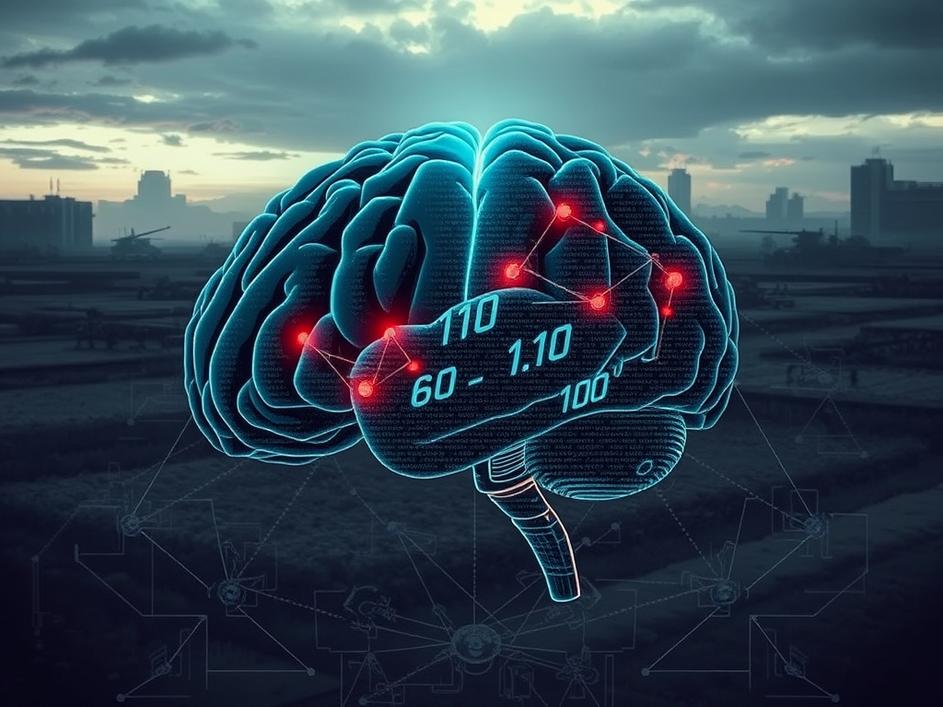
The line between science fiction and reality blurs a little more each day. Recent reports suggest that artificial intelligence played a role in a U.S. strike in Iran. This isn’t about killer robots running amok, but something perhaps more subtle, and arguably, more unsettling: AI quietly influencing critical decisions on the battlefield. The report centers on Anthropic’s AI model, Claude, allegedly assisting in some capacity during the operation. While details remain scarce, the implications are profound. We’re not just talking about number crunching or data analysis; this hints at AI shaping tactical choices in real-time, potentially altering the course of conflict.
Claude’s Contribution: Unveiling the Mystery
What exactly did Claude do? That’s the million-dollar question, and one shrouded in secrecy. Was it used to analyze satellite imagery to pinpoint targets? Did it help predict enemy movements based on existing intelligence? Or perhaps it aided in optimizing strike patterns to minimize collateral damage? The possibilities are numerous, and until more information surfaces, we’sre left to speculate. It is important to realize that AI excels at processing vast amounts of data far quicker than any human, potentially providing insights that could be missed by even the most experienced military analyst. The point isn’t to replace humans, but to augment their abilities, giving them a decisive edge in complex and rapidly evolving situations. But augmentation can equal abdication, and that is the scary part.
Ethical Minefield: AI, Warfare, and Accountability
The integration of AI into military operations raises a plethora of ethical concerns. Who is responsible when an AI-driven decision leads to unintended consequences or civilian casualties? Can an algorithm truly understand the nuances of a battlefield situation, the complex web of human factors that can’t be quantified with data? And how do we ensure that these AI systems are free from bias, that they don’t perpetuate existing prejudices or generate new forms of discrimination in targeting? These are not abstract philosophical questions; they are pressing issues that demand immediate and serious attention.
The Pandora’s Box of AI Arms Race
If the U.S. is using AI on the battlefield, you can bet other nations are exploring similar capabilities, and some might already be deploying similar systems. This sets off a potential AI arms race, where countries compete to develop ever more sophisticated and autonomous weapons systems. The dangers are obvious: the risk of escalation, the potential for miscalculation, and the erosion of human control over deadly force. Imagine a scenario where AI systems on opposing sides make decisions independently, reacting to each other in unpredictable ways. The consequences could be catastrophic.
The Future of War: Humans in the Loop?
The prospect of AI-driven warfare is both fascinating and terrifying. While AI can undoubtedly improve efficiency and accuracy in certain aspects of military operations, it also raises profound questions about human control, accountability, and the very nature of conflict. As AI becomes more deeply integrated into our lives, including in the most sensitive areas of national security, we must proceed with caution, ensuring that ethical considerations and human oversight remain paramount. The future of war may be automated, but it must not be devoid of human judgment and moral responsibility. We need stringent oversight, international agreements, and a global conversation about the ethical boundaries of AI in warfare, before we sleepwalk into a future we don’t want.






Comments are closed