

We are a digital agency helping businesses develop immersive, engaging, and user-focused web, app, and software solutions.
2310 Mira Vista Ave
Montrose, CA 91020

2500+ reviews based on client feedback
What's Included?
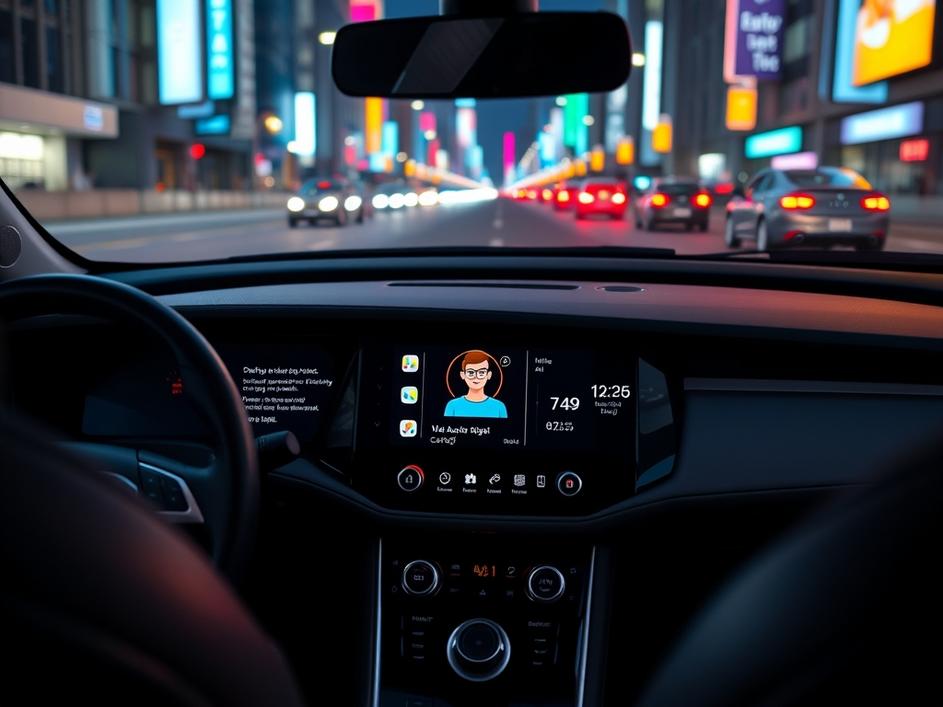
ToggleCarPlay is about to get a whole lot smarter. Forget just asking Siri to play your favorite tunes or navigate to the nearest coffee shop. The future of in-car infotainment is here, and it involves AI chatbots. Yes, you read that right. By March 2026, your dashboard could be chatting back with you in ways you never thought possible. But what does this actually mean for drivers?
We’re not just talking about enhanced voice recognition. Imagine having a conversational AI assistant that can not only respond to your requests but also anticipate your needs. Need to book a restaurant for dinner? Your AI can check your calendar, suggest places based on your preferences, and even make the reservation, all while you keep your eyes on the road. The possibilities are exciting. This moves beyond simple commands and towards a more intuitive, helpful experience.
Of course, the big question is safety. We all know how distracting even a simple phone call can be while driving. Introducing AI chatbots could potentially make things even worse if not implemented thoughtfully. The key will be in designing these systems to be as hands-free and eyes-free as possible. Think audio-based interactions and predictive interfaces that minimize the need for visual attention. It will be important that these systems do not increase cognitive load on drivers. It’s up to Apple and other developers to ensure these chatbots are a safety enhancement, not a hazard.
One of the biggest advantages of AI is its ability to learn and adapt. Over time, your CarPlay AI could become deeply personalized, understanding your habits, preferences, and even your mood. Imagine it suggesting a calming playlist when it detects you’re stuck in traffic, or reminding you to pick up milk on your way home because it knows you’re running low. This level of personalization could make driving a much more pleasant and efficient experience. The potential to tailor the in-car experience to each individual driver is huge, and could really set CarPlay apart from the competition.
This isn’t just about entertainment or convenience, though. AI chatbots could also play a crucial role in safety and vehicle maintenance. Imagine your AI detecting an unusual engine sound and proactively scheduling a service appointment, or alerting you to potential hazards based on real-time data from other vehicles on the road. An AI system could analyze driving patterns and give feedback on fuel efficiency or even detect driver fatigue. By acting as a true co-pilot, these AI assistants could make driving safer, more efficient, and less stressful.
With all this data collection and personalization comes the inevitable question of privacy. How will Apple and other companies ensure that our personal information is protected? Will we have control over what data is collected and how it’s used? Transparency and user control will be crucial to building trust and ensuring that these AI systems are used responsibly. It’s essential that users understand what data is being collected, how it’s being used, and have the ability to opt out if they choose. Strong privacy safeguards need to be built into the core of these systems from the beginning.
Looking ahead, the integration of AI chatbots into CarPlay is just the beginning. We can expect to see even more sophisticated AI applications in the automotive industry in the years to come. From self-driving cars to proactive safety systems, AI has the potential to revolutionize the way we drive. But it’s important to remember that technology is just a tool. It’s up to us to ensure that it’s used in a way that benefits society and makes our lives better. The key is to focus on creating AI systems that are safe, reliable, and truly helpful, not just flashy and distracting.
So, buckle up and get ready for a smarter, more conversational ride. The future of CarPlay is here, and it’s powered by AI. By 2026, we’ll see if the promise of increased safety and convenience truly outweighs the potential distractions and privacy concerns. One thing is for sure: the road ahead is going to be interesting.



Comments are closed