

We are a digital agency helping businesses develop immersive, engaging, and user-focused web, app, and software solutions.
2310 Mira Vista Ave
Montrose, CA 91020

2500+ reviews based on client feedback
What's Included?
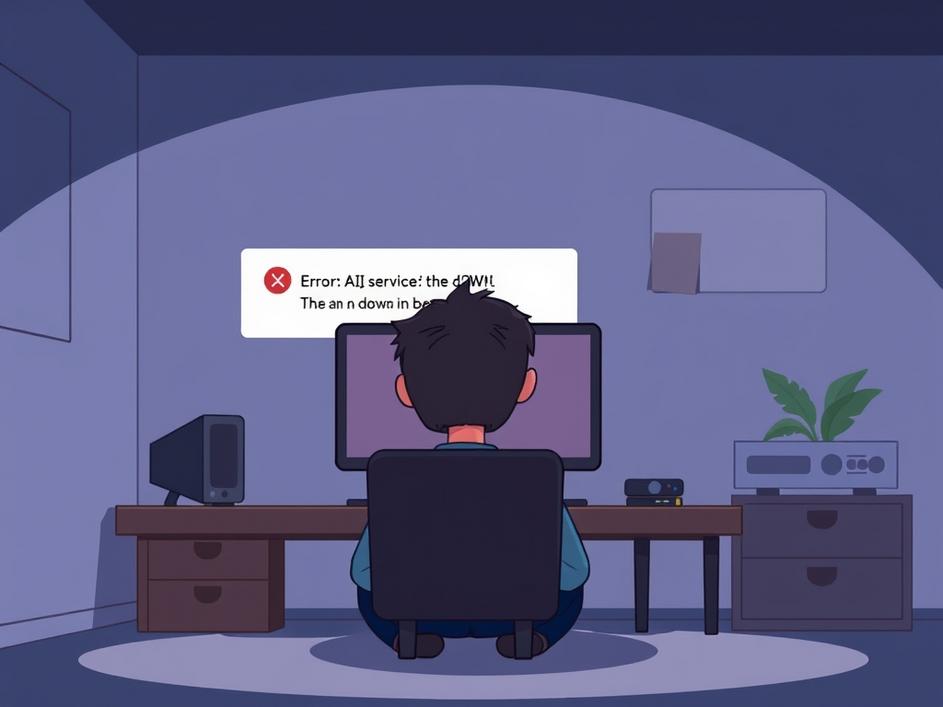
ToggleOn March 2, 2026, a wave of frustration washed over users of Anthropic’s AI chatbot, Claude. Reports flooded in, painting a picture of widespread outages across different regions. Downdetector, a website that tracks online service disruptions, lit up with complaints, confirming that Claude was indeed experiencing problems. The burning question on everyone’s mind: when would Claude be back online?
Anthropic acknowledged the issue, confirming that their AI chatbot was facing technical difficulties. While they didn’t immediately provide a detailed explanation for the outage, their prompt response at least offered reassurance that they were aware of the problem and working to resolve it. However, the lack of a specific timeline for restoration left many users in the dark, anxiously awaiting Claude’s return.
So, what could have caused Claude to go offline? Several possibilities come to mind. One potential culprit is a surge in user traffic. If Claude experienced a sudden spike in demand, its servers might have become overloaded, leading to the outage. Another possibility is a software glitch. AI systems are complex, and even a small error in the code can cause unexpected problems. A hardware malfunction, such as a server failure, could also be to blame. And we can’t rule out the possibility of a cyberattack, although there’s no evidence to suggest that this was the case. Whatever the reason, it’s clear that something significant happened to bring Claude down.
For many users, Claude has become an integral part of their daily workflow. Writers rely on it for brainstorming and content creation, students use it for research and learning, and businesses utilize it for customer service and data analysis. The outage therefore has a significant impact on productivity, leaving many users unable to complete their tasks. The frustration is palpable, as people are forced to find alternative solutions or simply wait for Claude to come back online. This disruption highlights the growing reliance on AI tools and the potential consequences when those tools become unavailable. It also demonstrates the need for redundancy and backup systems to minimize downtime and ensure business continuity.
The Claude outage raises important questions about the reliability of AI services. While these technologies offer tremendous potential, they are not immune to failure. Outages like this serve as a reminder that AI systems are still under development and that there is always a risk of unexpected problems. This underscores the need for developers to prioritize reliability and resilience when building AI tools. It also highlights the importance of having contingency plans in place, so that users can continue to work effectively even when their preferred AI services are unavailable. Perhaps we will see a rise in offline AI assistants in the future, so we don’t have to rely on a server that could go down.
As of now, the exact cause of the Claude outage remains unclear, and there is no firm timeline for its return. Anthropic’s engineers are undoubtedly working diligently to diagnose the problem and restore service as quickly as possible. In the meantime, users are left to speculate and wait. It’s likely that Anthropic will provide more information about the outage in the coming days, including a detailed explanation of what happened and what steps they are taking to prevent similar incidents in the future. Transparency and communication will be key to regaining the trust of users and ensuring the long-term success of Claude.
The Claude outage, while frustrating, offers valuable lessons for both users and developers of AI systems. For users, it’s a reminder not to become overly reliant on any single tool or service. Having backup plans in place is essential for maintaining productivity and avoiding disruption. For developers, it highlights the importance of building reliable and resilient systems. This includes implementing robust monitoring and alerting mechanisms, conducting regular testing and maintenance, and having contingency plans in place to address potential outages. By learning from this experience, we can all work together to ensure that AI services are as reliable and accessible as possible.
The Claude outage is a small blip in the grand scheme of AI development, but it’s a reminder that even the most advanced technologies are susceptible to failure. As AI becomes increasingly integrated into our lives, it’s crucial that we prioritize reliability and resilience. This means investing in robust infrastructure, developing sophisticated monitoring tools, and fostering a culture of continuous improvement. By focusing on these areas, we can ensure that AI services are not only powerful and innovative but also dependable and trustworthy.
Eventually, Claude will be back online. The servers will hum, the algorithms will whir, and users will breathe a sigh of relief. But this outage will leave a lasting impression. It serves as a wake-up call, reminding us of our dependence on technology and the importance of planning for the unexpected. And perhaps, just perhaps, it will give us a renewed appreciation for the tools that make our lives easier, even when they occasionally let us down.



Comments are closed