

We are a digital agency helping businesses develop immersive, engaging, and user-focused web, app, and software solutions.
2310 Mira Vista Ave
Montrose, CA 91020

2500+ reviews based on client feedback
What's Included?
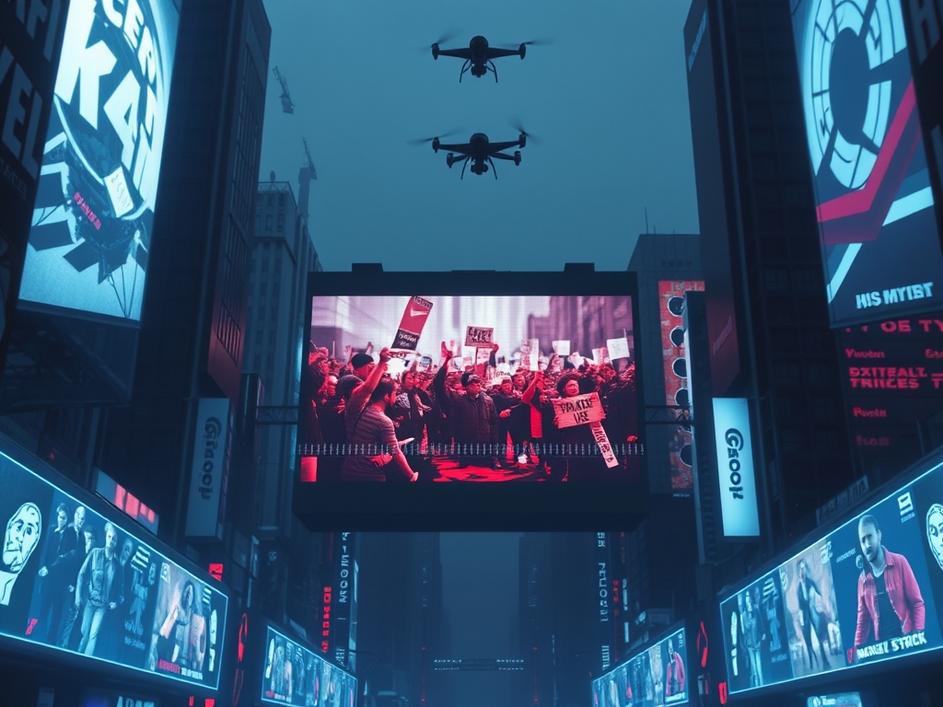
ToggleThe internet has changed how we consume information, and now artificial intelligence is changing how that information is created. AI tools can now produce realistic-looking videos, and this technology is being used in increasingly complex ways. One area of concern is the potential for AI to generate fake news or propaganda. Recent reports have highlighted the emergence of AI-generated videos depicting strikes in Iran. And while these videos may seem alarming, experts are suggesting that the motive behind their creation is not necessarily political, but financial.
A digital forensic expert recently discussed the nature of these AI-generated videos. They are focused on analyzing the technical aspects of these videos to understand how they were created and what their purpose might be. Unlike traditional news reports, it’s necessary to examine the pixels, audio, and overall structure of these videos to determine if they are authentic or not. A key part of this investigation involves looking for inconsistencies or artifacts that are typical of AI-generated content. These might include unnatural movements, strange lighting, or voices that don’t quite sound human.
One compelling theory is that these AI-generated videos are being created for financial gain. The idea is simple: create a sensational video, upload it to a platform like YouTube, and then monetize it through advertising revenue. The more views a video gets, the more money the creator makes. This can be a powerful incentive, especially when the cost of creating these videos is relatively low. With readily available AI tools, someone with basic technical skills can generate a convincing fake video in a short amount of time. The creator doesn’t even need to be particularly good at it, they just need to be good enough to fool the casual viewer long enough to generate revenue.
Regardless of the motive, the spread of misinformation through AI-generated videos is a serious problem. These videos can easily be shared on social media and other platforms, reaching a wide audience in a very short amount of time. This can lead to confusion, panic, and even real-world harm. For example, if a video falsely depicts a violent event, it could incite unrest or violence. And even if the video is eventually debunked, the damage may already be done. The initial impact of the video can be difficult to undo, and the truth may not reach everyone who saw the original fake video.
Detecting AI-generated videos is becoming increasingly challenging. As AI technology improves, it becomes harder to spot the telltale signs of a fake video. The algorithms are getting better at creating realistic-looking images and sounds, and they are also learning to avoid the common mistakes that used to give them away. This means that it is necessary to develop new and more sophisticated methods of detection. This might include using AI to fight AI, developing new forensic techniques, and educating the public about how to spot fake videos.
Social media platforms have a responsibility to address the problem of AI-generated misinformation. These platforms are often the primary channels through which these videos are spread, and they have the power to take action to limit their reach. This might include implementing stricter content moderation policies, developing AI-powered tools to detect fake videos, and working with fact-checkers to debunk false claims. However, social media platforms also face challenges in balancing free speech with the need to combat misinformation. It is important to find a solution that protects both values.
Combating the threat of AI-generated misinformation requires a multi-faceted approach. It is necessary to develop new technologies for detecting fake videos, educate the public about how to spot them, and hold social media platforms accountable for their role in spreading misinformation. It is also important to address the underlying economic incentives that drive the creation of these videos. This might include cracking down on those who profit from spreading misinformation, and finding ways to make it more difficult for them to monetize their fake videos.
Ultimately, the best defense against AI-generated misinformation is media literacy. People need to be able to critically evaluate the information they see online and to be skeptical of videos that seem too good to be true. This means teaching people how to identify the signs of a fake video, how to verify the source of information, and how to avoid sharing misinformation with others. Media literacy is not just a skill, it is a responsibility. In an age of AI-generated content, it is more important than ever to be a critical and informed consumer of information.
The emergence of AI-generated videos raises important questions about the future of information. As AI technology continues to improve, it will become increasingly difficult to distinguish between real and fake content. This could have profound implications for our society, our democracy, and our understanding of the world. It is essential that we address these challenges proactively and develop strategies for mitigating the risks associated with AI-generated misinformation. The future of information depends on it.



Comments are closed