

We are a digital agency helping businesses develop immersive, engaging, and user-focused web, app, and software solutions.
2310 Mira Vista Ave
Montrose, CA 91020

2500+ reviews based on client feedback
What's Included?
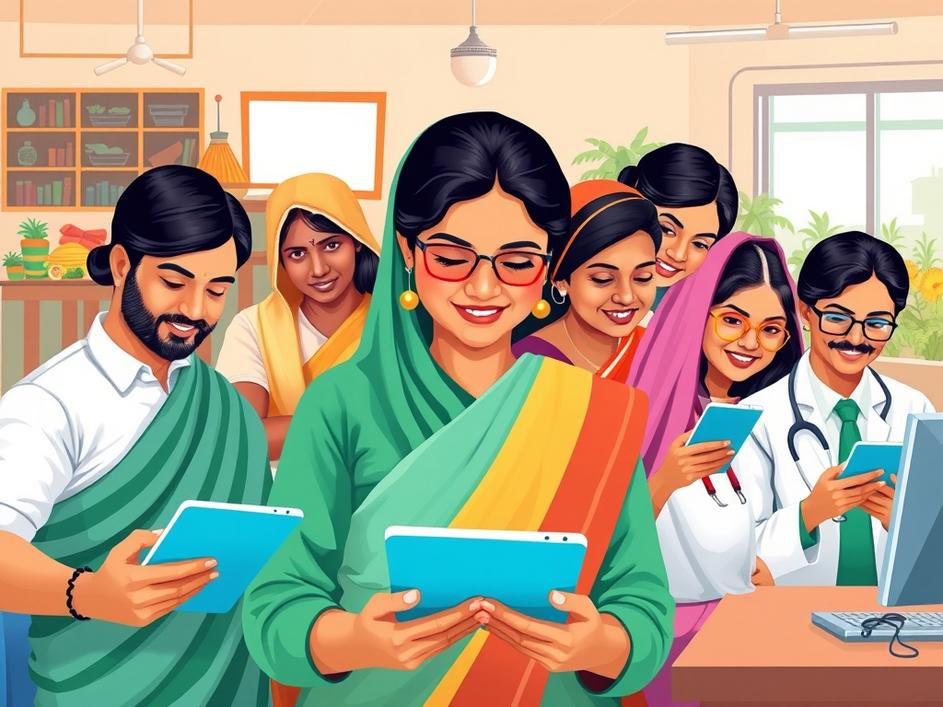
ToggleArtificial intelligence isn’t just a futuristic concept anymore; it’s rapidly becoming a part of everyday life, especially in a dynamic country like India. Tools like ChatGPT are moving beyond simple chatbots and becoming integral to how people work, learn, and even interact with the world around them. From students seeking help with assignments to professionals streamlining their workflows, AI is making its presence felt across various sectors. And the buzz around this shift was palpable at the recent Raisina Dialogue 2026, where discussions centered on the impact of AI on India’s future.
One of the most significant changes is happening in education. Imagine having a personalized tutor available 24/7. That’s the potential of AI tools for students in India. ChatGPT and similar platforms can assist with homework, explain complex concepts, and even provide feedback on writing. This is particularly helpful in a country where access to quality education can be uneven. AI can bridge the gap, offering learning support to students in remote areas or those from disadvantaged backgrounds. However, the reliance on AI also raises questions about critical thinking and the development of original ideas. Striking a balance between AI assistance and independent learning will be crucial.
AI is not just changing how we learn; it’s also transforming the workplace. Businesses in India are increasingly adopting AI-powered tools to automate tasks, improve efficiency, and make better decisions. ChatGPT can assist with drafting emails, summarizing documents, and even generating marketing copy. This allows employees to focus on more strategic and creative work. The rise of AI in the workplace also presents challenges. There are concerns about job displacement and the need for workers to acquire new skills to remain relevant. Upskilling and reskilling initiatives will be essential to ensure that India’s workforce can thrive in the age of AI.
While there’s a lot of excitement surrounding AI, it’s important to look at the practical applications that are making a real difference in people’s lives. In healthcare, AI is being used to diagnose diseases, personalize treatment plans, and even assist with surgeries. In agriculture, AI-powered sensors and analytics are helping farmers optimize their yields and reduce waste. And in finance, AI is being used to detect fraud, assess risk, and provide personalized financial advice. These are just a few examples of how AI is being used to solve real-world problems and improve the lives of Indians.
The integration of AI into Indian society is not without its challenges. Data privacy, ethical considerations, and the potential for bias in AI algorithms are all important issues that need to be addressed. It’s crucial to develop clear guidelines and regulations to ensure that AI is used responsibly and ethically. At the same time, India has a unique opportunity to leverage AI for social and economic development. With its large population, diverse economy, and growing tech sector, India is well-positioned to become a global leader in AI. Investing in AI research, education, and infrastructure will be key to realizing this potential. And with events like the Raisina Dialogue 2026 focusing on these issues, the conversation is clearly moving in the right direction.
AI tools like ChatGPT are more than just a passing trend; they represent a fundamental shift in how we interact with technology and the world around us. India is at a crucial juncture, where it can either embrace AI and harness its potential for good, or be left behind. The key is to approach AI with a balanced perspective, recognizing both its opportunities and its challenges. By investing in education, promoting ethical guidelines, and fostering innovation, India can create an AI-powered future that benefits all its citizens. The discussions at Raisina Dialogue 2026 highlight that India is actively thinking about these topics, and it is great to see experts from different backgrounds involved in shaping this future. This continuous evolution demands a proactive approach to education, policy, and ethical frameworks to ensure that AI empowers everyone.


Comments are closed