

We are a digital agency helping businesses develop immersive, engaging, and user-focused web, app, and software solutions.
2310 Mira Vista Ave
Montrose, CA 91020

2500+ reviews based on client feedback
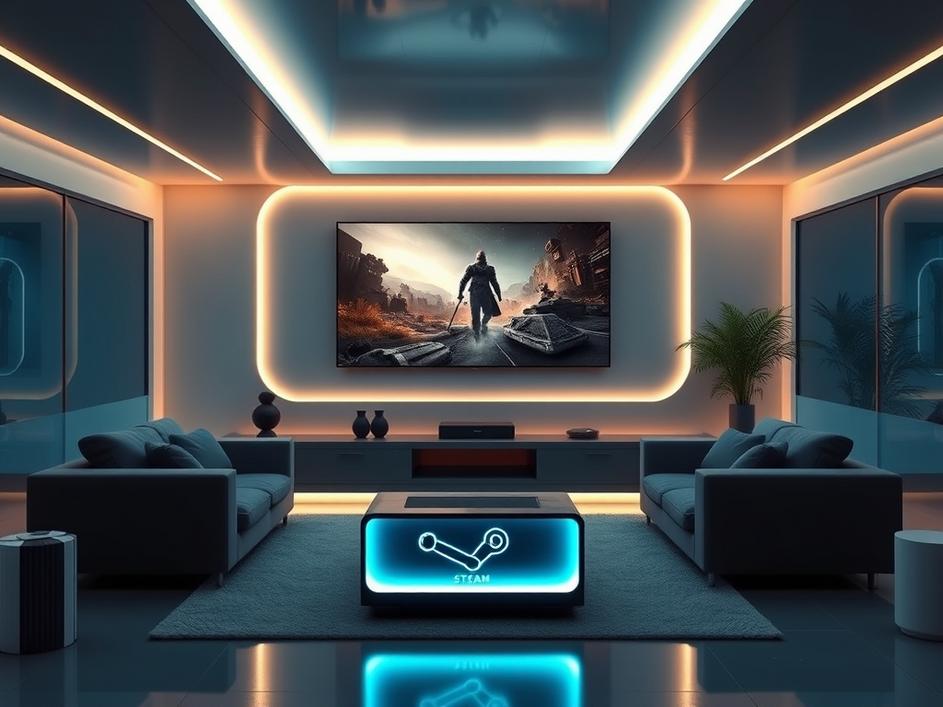
In a surprising (but not really) turn of events, Valve seems to be wavering on its promise of a 2026 release for the much-anticipated Steam Machine. A recent report suggests that the company isn’t exactly brimming with confidence about meeting that deadline. Color me shocked. For those of you who haven’t been following the saga of Valve’s hardware ambitions, this is just the latest chapter in a long and winding tale of ambitious projects, shifting priorities, and release dates that seem more like suggestions than firm commitments.
Let’s rewind for a moment. The initial Steam Machine concept was pretty exciting. The idea was to create a standardized, open-source gaming PC that could seamlessly hook up to your TV and provide a console-like experience powered by the Steam ecosystem. Several manufacturers jumped on board, creating a range of devices with varying specs and price points. The promise was a future where PC gaming was as accessible and user-friendly as console gaming, all while retaining the power and flexibility of the PC platform. What could go wrong?
Well, a lot, actually. For starters, there was no single, unified Steam Machine experience. Each manufacturer had their own vision, leading to a fragmented market with inconsistent performance and software support. The Steam Controller, while innovative, was also notoriously difficult to master, and the SteamOS operating system, while promising, lacked the polish and game library of established platforms like Windows. And let’s not forget the price tags, which often rivaled or exceeded those of comparable gaming PCs, negating one of the key selling points of a console. Ultimately, the original Steam Machines failed to gain traction, and many manufacturers quietly abandoned the platform.
Fast forward to 2026, and Valve is apparently giving the Steam Machine concept another shot. Or at least, they were. The details are still scarce, but the general idea seems to be the same: a dedicated gaming device designed to bring PC gaming to the living room. But this time, the landscape is different. We now have powerful handheld PCs like the Steam Deck, which arguably fulfills the original Steam Machine vision far more effectively. Cloud gaming services like GeForce Now and Xbox Cloud Gaming are also becoming increasingly viable, offering a way to stream PC games to any device with a decent internet connection. So, does a dedicated Steam Machine still make sense in this environment? That’s the question Valve seems to be struggling with.
The Steam Deck has undoubtedly changed the game. It provides a portable, self-contained PC gaming experience that’s both powerful and relatively affordable. It runs SteamOS, giving users access to their entire Steam library, and it can even be docked to a TV for a more traditional console-like experience. In many ways, the Steam Deck is the Steam Machine that we always wanted. So, why would Valve bother with a separate Steam Machine device? It’s possible that they’re envisioning a more powerful, higher-end device that can push the boundaries of PC gaming on the big screen. But given the challenges of the original Steam Machine launch, and the success of the Steam Deck, it’s understandable that Valve might be having second thoughts.
Besides the Steam Deck, Valve also faces stiff competition from other players in the gaming hardware market. Microsoft’s Xbox Series X and Sony’s PlayStation 5 offer powerful gaming experiences at relatively affordable prices, and they have the advantage of established ecosystems and exclusive game titles. Cloud gaming services are also becoming increasingly popular, providing a way to play PC games on a variety of devices without the need for expensive hardware. To succeed in this crowded market, a new Steam Machine would need to offer something truly unique and compelling. It would need to be more powerful, more affordable, or more innovative than the competition. And it would need to have the full support of Valve, both in terms of software development and marketing.
So, what are the chances of seeing a Steam Machine in 2026? Based on the latest reports, it’s looking increasingly unlikely. Valve’s apparent lack of confidence suggests that the project may be facing significant challenges, whether technical, economic, or strategic. It’s possible that they’ll eventually release a new Steam Machine, but it’s also possible that they’ll decide to focus on other priorities, such as the Steam Deck or virtual reality. In the meantime, gamers will have to make do with the existing options: gaming PCs, consoles, handheld devices, and cloud gaming services. And who knows, maybe one day Valve will surprise us all and deliver the Steam Machine of our dreams. But for now, it’s best not to hold your breath.
Ultimately, the fate of the Steam Machine remains uncertain. Valve has a history of ambitious projects that never quite pan out, and the current market landscape is more challenging than ever. While the idea of a dedicated PC gaming device for the living room is still appealing, it’s not clear whether Valve can overcome the obstacles and deliver a product that can compete with the established players. For now, I’m remaining cautiously optimistic, but also prepared for the possibility that the Steam Machine will remain a pipe dream.



Comments are closed