

We are a digital agency helping businesses develop immersive, engaging, and user-focused web, app, and software solutions.
2310 Mira Vista Ave
Montrose, CA 91020

2500+ reviews based on client feedback
What's Included?
ToggleNVIDIA, a name synonymous with graphics processing and increasingly, artificial intelligence, is making some interesting moves. Recent reports suggest they’re placing a significant bet on optical technology while simultaneously reducing their equity exposure in AI startups. This isn’t just about shifting resources; it hints at a potential evolution in NVIDIA’s long-term strategy, a recalibration of risk and reward in a rapidly changing tech landscape. It seems they recognize where future growth lies, and are adapting to seize opportunity in the next phase of tech developement.
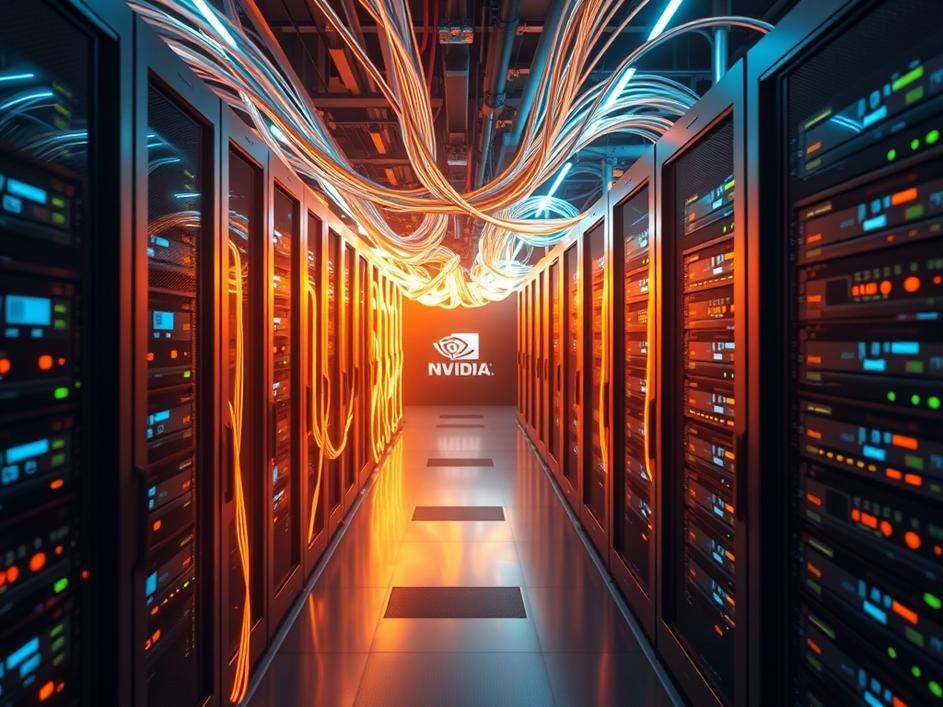
The move toward optics is particularly noteworthy. For years, data transmission has relied on electrical signals. But as data volumes explode, especially within data centers powering AI and cloud computing, the limitations of electrical interconnects become increasingly apparent. Optical interconnects, which use light to transmit data, offer significantly higher bandwidth and lower latency. This translates to faster processing, improved energy efficiency, and ultimately, a more powerful and scalable infrastructure. NVIDIA’s investment in this area signals a belief that optics will be crucial for unlocking the next level of performance in AI and high-performance computing.
So, why is NVIDIA pushing optics now? The timing is likely driven by a confluence of factors. First, AI models are becoming increasingly complex, demanding more computational power and faster data transfer speeds. Second, the cost of optical components has been steadily declining, making them a more economically viable alternative to electrical interconnects. Third, competition is heating up in the AI chip market. By investing in optics, NVIDIA can differentiate itself and maintain its technological edge. Also, optical technology is advancing rapidly, making the transition increasingly viable.
On the other side of the coin, NVIDIA appears to be trimming its equity investments in AI startups. This doesn’t necessarily mean they’re losing faith in the AI ecosystem. Instead, it suggests a more cautious approach to managing risk. Investing in startups is inherently risky. While some startups may become the next big thing, many others will fail. By reducing its exposure, NVIDIA can free up capital to invest in other areas, such as optics, or return it to shareholders through dividends or share buybacks. It’s a sign of a maturing company, shifting from high-risk, high-reward bets to more calculated investments. And it might mean they believe that AI foundational models are sufficiently robust, and more specialized or application-level startups may be more risky. Furthermore, it might imply that potential regulatory changes or macroeconomic conditions are making the startup environment less attractive.
Taken together, these moves paint a picture of a more focused NVIDIA. They are betting big on optics to address the growing demands of AI and high-performance computing, while simultaneously de-risking their portfolio by reducing exposure to the volatile startup market. This strategy suggests a desire to consolidate their position as a leader in the AI infrastructure space, focusing on core technologies that will drive future growth. The company seems to be making a pragmatic assessment of the landscape, choosing strategic paths that ensure long-term stability and leadership, rather than spreading resources too thinly across numerous ventures. The focus on infrastructure is vital for supporting the broader AI ecosystem. Their action implies a calculated assessment of risks and rewards.
Of course, these moves aren’t without potential challenges. The transition to optical interconnects will require significant investment in research and development, as well as new manufacturing processes. Furthermore, NVIDIA will need to work closely with other companies in the ecosystem, such as component suppliers and system integrators, to ensure interoperability. On the other hand, the potential rewards are significant. By becoming a leader in optical interconnects, NVIDIA can solidify its position as the dominant player in the AI infrastructure market and capture a significant share of the growing demand for high-performance computing solutions.
NVIDIA’s strategic shift has broader implications for the tech industry as a whole. It signals a growing recognition of the importance of optical technology for enabling the next generation of AI and high-performance computing applications. It also highlights the increasing maturity of the AI market, as companies shift from speculative investments in startups to more focused investments in core infrastructure. Other major players in the tech industry are likely to follow NVIDIA’s lead, investing more heavily in optics and adopting a more cautious approach to startup investments. This could lead to a period of consolidation and increased competition in the AI infrastructure market.
Ultimately, NVIDIA’s recent moves reflect a long-term vision for the future of computing. They recognize that the demands of AI and high-performance computing will continue to grow exponentially, requiring new technologies and architectures. By investing in optics and carefully managing their risk exposure, NVIDIA is positioning itself to capitalize on these trends and remain a leader in the tech industry for years to come. It’s a calculated gamble, but one that could pay off handsomely in the long run. This strategic adjustment demonstrates NVIDIA’s commitment to sustained innovation and market leadership.



Comments are closed