

We are a digital agency helping businesses develop immersive, engaging, and user-focused web, app, and software solutions.
2310 Mira Vista Ave
Montrose, CA 91020

2500+ reviews based on client feedback
What's Included?
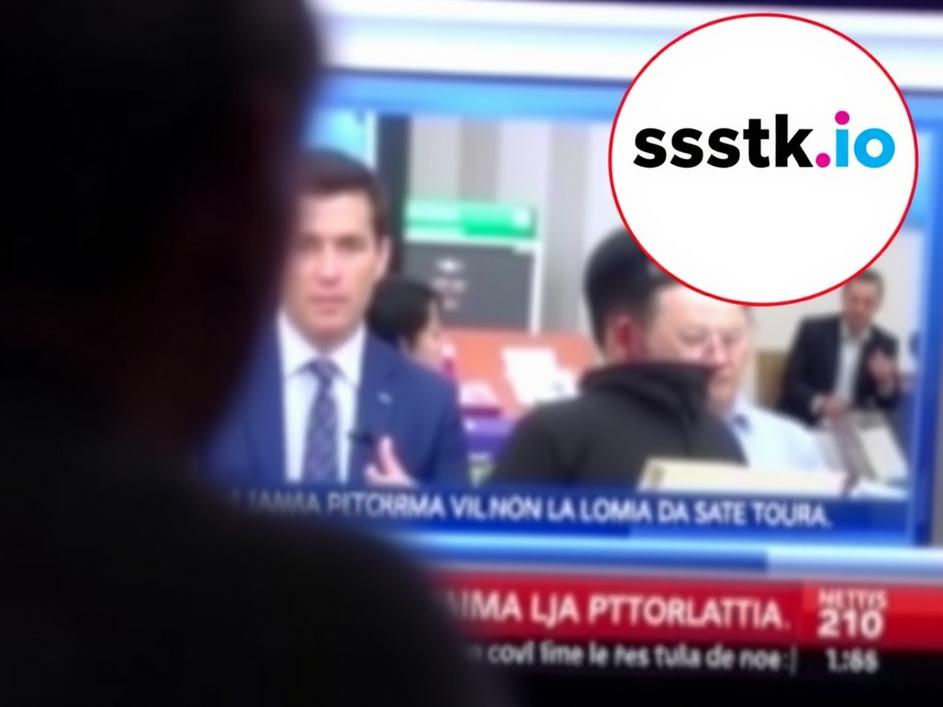
ToggleIn a world increasingly dominated by short-form video content, the lines between platforms are blurring faster than ever. Recently, Bolivia TV, a prominent television station in Bolivia, found itself at the center of an unexpected digital collision. A video, seemingly sourced from TikTok and bearing the ssstik.io watermark, made its way into a news broadcast, prompting questions about content sourcing, verification, and the ever-present influence of social media on traditional news outlets.
The specifics surrounding the incident remain somewhat murky, but it’s clear that a video, originally circulating on TikTok and downloaded using a third-party service (indicated by the “ssstik.io” watermark), was incorporated into a segment on Notivisión, Bolivia TV’s news program. This raises several possibilities: Perhaps a staff member, under deadline pressure, inadvertently used the video without properly vetting its source or removing the watermark. Or, maybe the content was deemed relevant enough to outweigh the potential embarrassment of showcasing its TikTok origins. Regardless, the incident highlights the ease with which user-generated content can infiltrate traditional media pipelines, for better or worse.
The integration of user-generated content (UGC) into news broadcasts isn’t inherently negative. In many cases, UGC can provide valuable on-the-ground perspectives, eyewitness accounts, and raw footage that traditional news crews might not be able to capture. Think of citizen journalists documenting natural disasters, political protests, or other breaking events. However, the reliance on UGC also presents significant challenges, particularly when it comes to verification, accuracy, and ethical considerations. Is the video authentic? Has it been manipulated or taken out of context? Does it violate anyone’s privacy or intellectual property rights? These are crucial questions that news organizations must address before incorporating UGC into their broadcasts.
The presence of the “ssstik.io” watermark further complicates the issue. It not only reveals the video’s origin on TikTok but also suggests that it was downloaded using a third-party service, potentially raising copyright or usage rights concerns. While many such services claim to respect content creators’ rights, the ease with which they allow users to download videos raises questions about the overall ecosystem of online content sharing and distribution. From a purely aesthetic standpoint, the watermark also detracts from the professional polish that viewers typically expect from a national news broadcast. It’s a visual reminder of the video’s informal origins and can undermine the credibility of the news organization.
Ultimately, the Bolivia TV incident serves as a microcosm of the broader challenges facing the media industry in the digital age. The pressure to deliver timely, engaging content is immense, and the temptation to cut corners or rely on readily available sources is ever-present. However, this incident should serve as a wake-up call for news organizations to prioritize rigorous fact-checking, source verification, and ethical considerations, even when dealing with user-generated content. Failing to do so risks undermining public trust and blurring the lines between credible news and social media entertainment.
The integration of social media and traditional news is a trend that’s likely to continue. News organizations need to develop clear protocols and guidelines for sourcing, verifying, and utilizing user-generated content. This includes investing in training for journalists on how to critically evaluate online sources, detect misinformation, and respect copyright laws. Furthermore, news organizations should be transparent with their audience about the origins of the content they present, acknowledging the use of UGC when appropriate and providing context for its inclusion. By embracing a responsible and ethical approach to digital content, news organizations can harness the power of social media while maintaining their credibility and serving the public interest.
While the situation may have caused some embarrassment for Bolivia TV, it also presents an opportunity for growth and improvement. By openly addressing the incident, reviewing their internal procedures, and implementing stricter content verification protocols, the news organization can demonstrate its commitment to journalistic integrity and rebuild any lost trust. The digital landscape is constantly evolving, and news organizations must adapt to these changes while upholding the highest standards of accuracy, fairness, and ethical conduct. The TikTok intrusion may have been a stumble, but it doesn’t have to be a fall. It can be a stepping stone towards a more robust and responsible approach to newsgathering in the digital age.



Comments are closed