

We are a digital agency helping businesses develop immersive, engaging, and user-focused web, app, and software solutions.
2310 Mira Vista Ave
Montrose, CA 91020

2500+ reviews based on client feedback
What's Included?
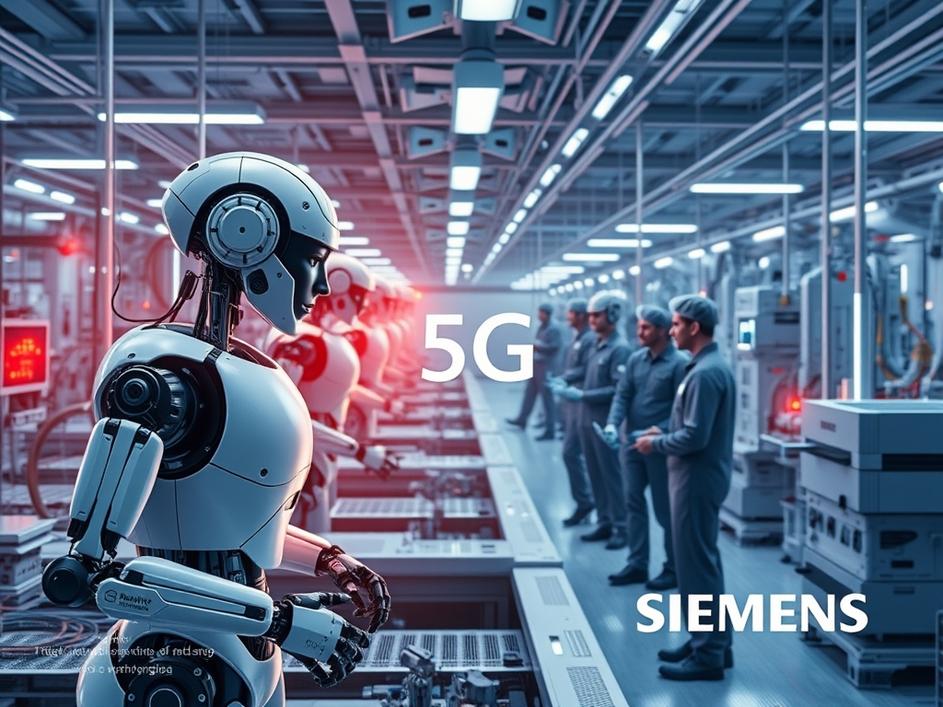
ToggleImagine a factory floor buzzing with activity, robots working in perfect sync, and data flowing seamlessly between machines. That’s the promise of AI-powered factories, and it’s becoming a reality. But with all that connectivity comes a serious need for security. Palo Alto Networks and Siemens are joining forces to make sure these advanced factories are protected from cyber threats. Their expanded alliance aims to secure 5G networks within these factories, adding a vital layer of defense against potential attacks. This isn’t just about protecting machines; it’s about safeguarding the entire manufacturing process and the valuable data it generates.
Why is 5G so important in this equation? Traditional wired networks are often cumbersome and restrictive in a dynamic factory environment. 5G offers the flexibility and speed needed to connect a vast number of devices and enable real-time communication. Robots, sensors, and control systems can all communicate wirelessly, creating a more agile and efficient operation. However, this increased connectivity also opens up new avenues for cyberattacks. Securing these 5G networks is crucial to prevent disruptions, data breaches, and even sabotage.
The collaboration between Palo Alto Networks and Siemens brings together two powerhouses in their respective fields. Palo Alto Networks is a well-known cybersecurity firm, and Siemens is a leader in industrial automation. This partnership allows them to offer a comprehensive security solution tailored specifically for AI-powered factories. Instead of manufacturers trying to piece together security systems from different vendors, they can rely on a unified approach from two trusted names. This not only simplifies security management but also ensures a higher level of protection.
Securing AI factories goes way beyond just installing firewalls. It requires a multi-layered approach that addresses vulnerabilities at every level. This includes securing the network infrastructure, protecting the data being transmitted and stored, and monitoring for suspicious activity. Palo Alto Networks and Siemens are working to integrate their technologies to provide end-to-end security. This includes threat detection, intrusion prevention, and secure access control. They’re essentially building a digital fortress around these factories to keep them safe from harm.
We’re in the midst of what’s being called the Fourth Industrial Revolution, or Industry 4.0. This involves the increasing use of automation, data analytics, and artificial intelligence in manufacturing. As factories become more connected and reliant on technology, the risk of cyberattacks grows exponentially. A successful attack could have devastating consequences, from production delays to intellectual property theft to even safety hazards. The work that Palo Alto Networks and Siemens are doing is essential to ensuring that Industry 4.0 can progress safely and securely. It’s not just about protecting individual factories; it’s about safeguarding the entire industrial ecosystem. This security will allow for better uptime, better quality products and less risk from malicious attacks. It is critical in today’s ever connected world to have excellent security to keep operations safe. It is a smart move by these two companies to work together.
The expanded partnership between Palo Alto Networks and Siemens is a positive step towards securing the factories of the future. By combining their expertise, they’re offering a comprehensive security solution that addresses the unique challenges of AI-powered manufacturing. As Industry 4.0 continues to evolve, expect to see even more collaboration between cybersecurity and industrial automation companies. The goal is to create a secure and resilient manufacturing environment that can withstand the growing threat of cyberattacks, and unlock the full potential of smart factories. The future of manufacturing is interconnected, and it needs to be secure.



Comments are closed