

We are a digital agency helping businesses develop immersive, engaging, and user-focused web, app, and software solutions.
2310 Mira Vista Ave
Montrose, CA 91020

2500+ reviews based on client feedback
What's Included?
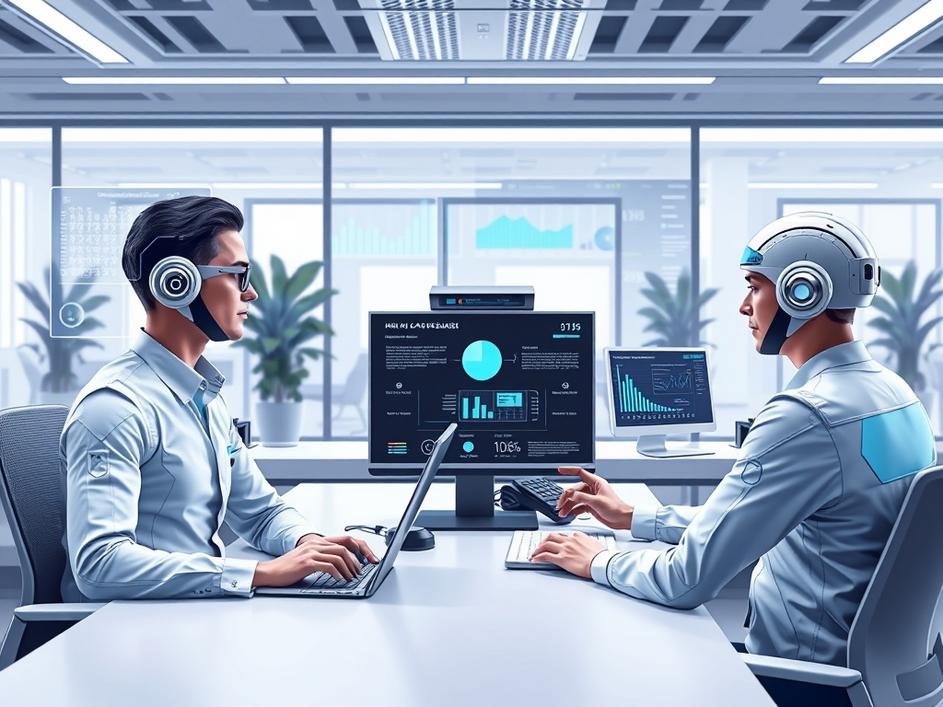
TogglePaychex, a big name in payroll and HR solutions, is rolling out new AI-powered tools for its Paycor and Flex platforms. This isn’t just a minor update; it’s a significant push to integrate artificial intelligence directly into how businesses manage their workforce. These tools aim to simplify complex tasks, automate routine processes, and provide deeper insights into employee performance and productivity. In essence, Paychex is betting that AI can make HR departments more efficient and strategic.
So, what exactly can these AI tools do? Details suggest functionalities such as automated scheduling, intelligent time tracking, and predictive analytics for workforce planning. Imagine a system that automatically adjusts schedules based on anticipated demand, flags potential compliance issues before they become problems, or identifies employees who might be at risk of leaving the company. That’s the promise of AI in workforce management. These features are designed to ease the burden on HR staff, allowing them to focus on more strategic initiatives like employee development and talent acquisition.
The real beneficiaries of these AI-driven tools could be small and medium-sized businesses (SMBs). These companies often lack the resources to invest in sophisticated HR technology or hire large HR teams. By integrating AI into its Paycor and Flex platforms, Paychex is making advanced workforce management capabilities accessible to a wider range of businesses. This levels the playing field, allowing smaller companies to compete more effectively for talent and improve their operational efficiency. The ability to automate tasks and gain insights from data can be a game-changer for SMBs.
While automation is a key benefit, the real power of AI lies in its ability to provide strategic insights. By analyzing vast amounts of data, these tools can identify trends, predict outcomes, and provide recommendations that would be impossible for humans to uncover on their own. For example, AI could analyze employee performance data to identify skills gaps and recommend targeted training programs. Or it could analyze employee feedback to identify areas where the company can improve its culture and employee engagement. These insights can help businesses make more informed decisions and improve their overall performance.
The integration of AI into workforce management is not just a trend; it’s a fundamental shift in how businesses operate. As AI technology continues to evolve, we can expect to see even more sophisticated tools that can automate complex tasks, provide deeper insights, and improve the overall employee experience. This means HR professionals will need to develop new skills to effectively manage and leverage these AI-powered tools. The future of work is intelligent, and businesses that embrace AI will be best positioned to succeed.
Of course, the adoption of AI in workforce management is not without its challenges. One key concern is data privacy and security. Businesses need to ensure that they are collecting and using employee data in a responsible and ethical manner, and that they have adequate security measures in place to protect against data breaches. Another challenge is the potential for bias in AI algorithms. If the data used to train these algorithms is biased, the algorithms may perpetuate or even amplify those biases, leading to unfair or discriminatory outcomes. It’s crucial for businesses to carefully evaluate the AI tools they use and to ensure that they are fair, transparent, and accountable.
It’s important to remember that AI is a tool, not a replacement for human judgment and empathy. While AI can automate tasks and provide insights, it cannot replace the human touch in HR. HR professionals will still need to build relationships with employees, provide support and guidance, and make decisions based on their own judgment and experience. The most effective approach is to combine the power of AI with the human touch, creating a workforce management system that is both efficient and compassionate.
Paychex’s move to incorporate AI into its workforce management platforms seems like a smart one. By offering these tools, they’re giving businesses, especially smaller ones, a chance to use cutting-edge technology to improve how they handle their employees. While there are challenges to consider, the potential benefits of AI in HR are undeniable. This could be a significant step forward in making HR more efficient, strategic, and ultimately, more human.

Comments are closed