

We are a digital agency helping businesses develop immersive, engaging, and user-focused web, app, and software solutions.
2310 Mira Vista Ave
Montrose, CA 91020

2500+ reviews based on client feedback
What's Included?
ToggleArtificial intelligence is rapidly changing the world, and its potential for both good and bad is becoming increasingly clear. Companies like Anthropic are at the forefront of AI development, pushing the boundaries of what’s possible. But as AI becomes more powerful, questions about its use, especially by governments, are also growing. The recent conflict between Anthropic and the Pentagon highlights these concerns, raising important issues about surveillance, privacy, and the role of AI in national security. It’s a story that deserves attention, as its outcome could shape the future of AI governance.
The heart of the issue seems to be a disagreement between Anthropic, a company focused on responsible AI development, and the Pentagon, a government entity tasked with national defense. The specifics of their conflict aren’t entirely clear, but it appears to revolve around the Pentagon’s potential use of Anthropic’s AI technology for surveillance purposes. Anthropic, seemingly concerned about the ethical implications, is pushing back, leading to a legal showdown. This isn’t just a simple contract dispute; it’s a clash of ideologies, with one side prioritizing responsible AI and the other focusing on national security imperatives. Understanding this fundamental difference is key to grasping the significance of the case.
One of the biggest worries stemming from this conflict is the potential for increased government surveillance using AI. AI-powered surveillance systems can analyze vast amounts of data, identify patterns, and track individuals with unprecedented accuracy. While proponents argue that this technology can be used to prevent crime and terrorism, critics fear that it could lead to a loss of privacy and civil liberties. The idea of the Pentagon using Anthropic’s AI for surveillance raises serious questions about the scope and oversight of such activities. How would the data be collected and used? What safeguards would be in place to prevent abuse? These are the kinds of questions that need to be answered before AI surveillance becomes widespread. Furthermore, people worry about bias baked into the AI itself, and how that could disproportionately target certain groups.
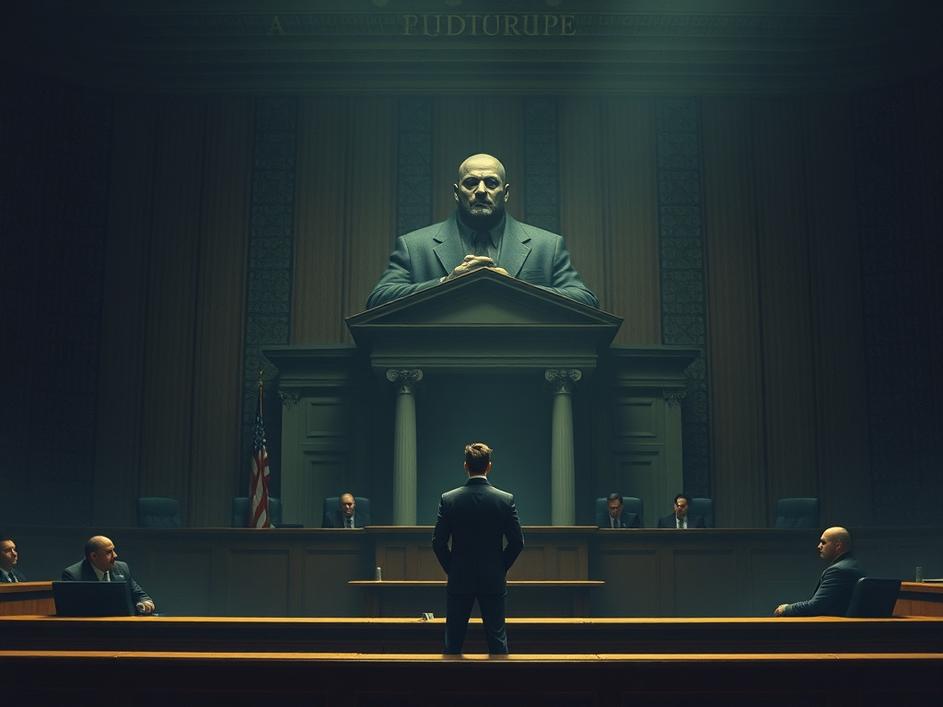
The fact that this dispute is heading to the courts is significant. It means that a judge will ultimately have to weigh the competing interests of national security and individual privacy. The legal arguments will likely be complex, involving interpretations of existing laws and potentially setting new precedents for the use of AI in surveillance. The court’s decision could have far-reaching implications, not only for Anthropic and the Pentagon but also for the entire AI industry. It could establish legal boundaries for the government’s use of AI and shape the future of AI regulation. This is one of the first major conflicts of its kind, and it will be very closely watched.
There are obvious risks and rewards associated with using AI for surveillance. On the one hand, AI could help law enforcement agencies identify and prevent criminal activity, protect critical infrastructure, and enhance national security. Imagine AI systems detecting suspicious behavior in airports or identifying potential threats before they materialize. On the other hand, the potential for abuse is very real. AI surveillance could be used to monitor political opponents, suppress dissent, or discriminate against certain groups. The challenge is to find a balance between these competing concerns and create a framework that allows us to harness the benefits of AI while minimizing the risks. This requires transparency, accountability, and robust oversight mechanisms. And it will take vigilance to ensure that those mechanisms are effective.
The Anthropic-Pentagon conflict forces us to confront the ethical implications of AI development. As AI becomes more integrated into our lives, it’s crucial to have open and honest conversations about its potential impact on society. What values do we want to embed in AI systems? How do we ensure that AI is used for good and not for harm? These are not just technical questions; they are fundamental moral questions that require input from a wide range of stakeholders, including AI developers, policymakers, ethicists, and the public. The outcome of this legal battle could shape the future of AI ethics and influence how AI is developed and deployed around the world. It’s a pivotal moment that demands careful consideration and proactive engagement.
So, what’s the path forward? Clearly, a one-size-fits-all approach won’t work. We need to develop nuanced policies that address the specific risks and benefits of different AI applications. This includes establishing clear guidelines for data collection and use, ensuring transparency and accountability, and creating independent oversight bodies to monitor AI activities. We also need to invest in AI education and research to better understand the technology and its potential impact. Ultimately, the goal should be to create an AI ecosystem that is both innovative and responsible, one that promotes human flourishing while safeguarding our fundamental values.
The clash between Anthropic and the Pentagon serves as a wake-up call. It reminds us that AI is a powerful tool that can be used for both good and bad. As AI technology continues to advance, it’s essential that we remain vigilant and proactive in addressing the ethical and societal implications. This means holding our governments and corporations accountable, demanding transparency and accountability, and engaging in informed public debate. The future of AI is not predetermined. It’s up to us to shape it in a way that reflects our values and promotes a just and equitable society. The stakes are high, but with careful planning and thoughtful action, we can harness the power of AI for the benefit of all.



Comments are closed