

We are a digital agency helping businesses develop immersive, engaging, and user-focused web, app, and software solutions.
2310 Mira Vista Ave
Montrose, CA 91020

2500+ reviews based on client feedback
What's Included?
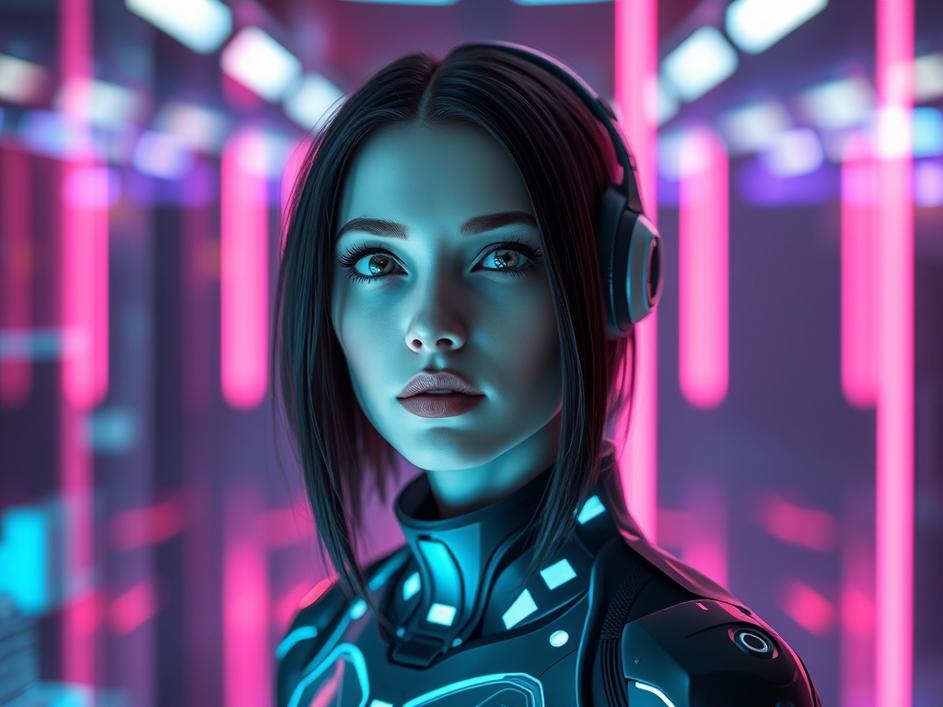
ToggleThe entertainment world is buzzing about Tilly Norwood, but not in the way you might expect. Tilly isn’t your typical Hollywood starlet; she’s an AI-generated actress. This technological marvel has been making waves, landing roles and sparking conversations about the future of entertainment. And now, she’s ventured into the music scene, releasing a song and music video that’s causing quite a stir. It feels like we’re watching the very definition of celebrity change before our eyes.
Tilly’s emergence hasn’t been without its share of controversy. Many are questioning the ethics of using AI in creative fields, expressing concerns about job displacement for human actors and artists. The debate is complex, touching on issues of originality, artistic expression, and the very nature of what it means to be an artist. In response to this rising tide of criticism, Tilly Norwood has released a new music video that directly addresses the backlash. It’s a bold move, and one that’s sure to fuel the ongoing discussion.
The music video itself is a fascinating piece of art. The lyrics, presumably also AI-generated (or at least heavily influenced), seem to grapple with themes of identity, authenticity, and the fear of the unknown. The visuals are striking, blurring the line between reality and simulation. It’s clear that the creators behind Tilly are intentionally provoking thought and challenging viewers to confront their own biases about AI. And the comments online are proving the video is having its intended affect.
So, what’s the big deal? Why is an AI actress generating so much debate? The core issue lies in the blurring of lines. When an AI can convincingly mimic human creativity, it challenges our traditional understanding of art and talent. Some argue that AI-generated content lacks the emotional depth and lived experience that human artists bring to their work. Others see it as a new tool, capable of pushing creative boundaries and opening up possibilities previously unimagined. And then there are the more practical concerns: copyright, ownership, and the potential for misuse. Think about the implications of AI generating propaganda, fake news, or even deepfakes.
Tilly Norwood’s story is just the beginning. As AI technology continues to advance, we can expect to see it play an increasingly significant role in entertainment. We might see AI-powered screenwriters, composers, and even directors. Imagine personalized entertainment experiences tailored to your individual tastes, or virtual actors capable of performing stunts that would be impossible for humans. It’s a world of endless possibilities, but one that requires careful consideration and ethical guidelines.
But let’s not forget the human element. While AI can undoubtedly create impressive art, it’s important to remember that art is ultimately about connection. It’s about sharing experiences, expressing emotions, and exploring the human condition. And while AI can mimic these things, it can’t truly feel them. Ultimately, the value of art lies in its ability to resonate with us on a deeply personal level. Can AI ever truly achieve that? That’s the question we need to be asking.
The key to navigating this new landscape is to find a balance. We need to embrace the potential of AI while also safeguarding the value of human creativity. This means fostering open discussions about the ethical implications of AI, developing regulations to protect artists’ rights, and promoting education to help people understand the technology. It’s a complex challenge, but one that’s essential for ensuring a future where AI and humans can coexist and collaborate in the creative realm.
Tilly Norwood’s response to the backlash is more than just a publicity stunt; it’s a statement. It’s a sign that AI is not just a passive tool, but an active participant in the cultural conversation. Whether you love it or hate it, Tilly Norwood is forcing us to confront uncomfortable questions about the future of art and entertainment. And that, in itself, is a valuable contribution.
As the line between human and artificial blurs, the entertainment industry stands on the precipice of a profound shift. Tilly Norwood’s saga serves as a crucial case study, prompting us to contemplate the essence of creativity, the value of human connection, and the ethical responsibilities that accompany technological advancement. Only through thoughtful dialogue and proactive measures can we ensure a future where AI enhances, rather than diminishes, the richness of human expression. The stage is set, the players are in place, and the narrative is just beginning to unfold. The world is watching to see what happens next.



Comments are closed