

We are a digital agency helping businesses develop immersive, engaging, and user-focused web, app, and software solutions.
2310 Mira Vista Ave
Montrose, CA 91020

2500+ reviews based on client feedback
What's Included?
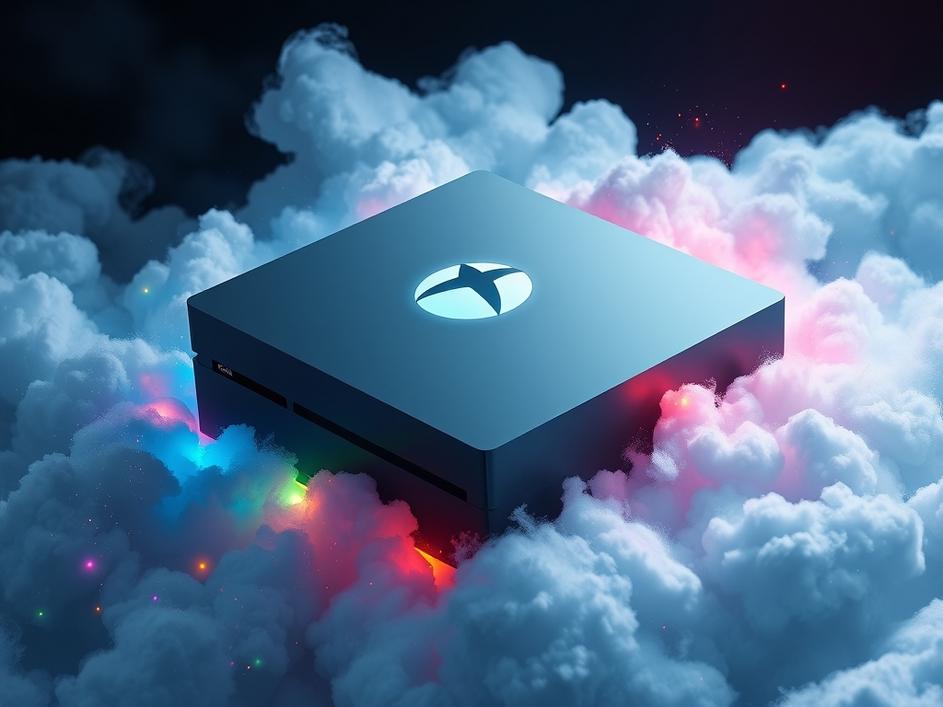
ToggleMicrosoft recently offered a sneak peek into what they’re cooking up for the next generation of Xbox consoles. Jason Ronald, who carries the impressive title of “VP of Next Generation” at Microsoft, discussed the roadmap during the GDC Festival of Gaming. The big takeaway? Don’t expect to get your hands on this new hardware anytime soon. The project, currently codenamed “Helix,” isn’t slated to reach its alpha stage until 2027. That’s a long way off in the fast-moving world of gaming tech. For comparison, the Xbox Series X and S launched in 2020. Seven years is practically an eternity in console years. This extended timeline raises a lot of questions about Microsoft’s strategy and the future of console gaming itself.
The fact that the alpha phase is still years away tells us a few things. First, the core architecture and features of the new Xbox are likely still in the planning and experimentation stages. Alpha is very early in the design lifecycle. It’s when fundamental technologies and ideas are being prototyped and tested. This means that the final product could look drastically different from whatever Microsoft is currently envisioning. Second, it suggests that Microsoft is taking a very long-term view of the console market. They’re not rushing to release a new system just to keep up with competitors. Instead, they seem to be focusing on developing something truly innovative, something that will justify the wait.
It’s also worth considering the increasing role of cloud gaming in Microsoft’s overall strategy. Services like Xbox Cloud Gaming are becoming more prominent, allowing players to stream games to a variety of devices without needing a powerful console. The extended development timeline for Project Helix could indicate that Microsoft is looking to integrate cloud gaming more seamlessly into the next-generation Xbox experience. Perhaps the new console will be designed to work in tandem with cloud services, offloading some of the processing burden and providing access to a wider range of games and experiences. This could mean a shift away from the traditional console model, where all the processing power is contained within a single box. The long lead time suggests a fundamentally new approach.
Sony, Microsoft’s main rival in the console space, is likely working on its own next-generation PlayStation. It will be interesting to see how their timelines compare and whether they adopt similar strategies. Nintendo, as always, marches to the beat of its own drum. They are known for innovation in gameplay, rather than solely chasing raw processing power. The console market is becoming increasingly complex. The rise of mobile gaming, cloud services, and subscription models are all changing the way people play games. Microsoft’s long-term vision for Xbox must take all of these factors into account. The delay could be a strategic advantage if it allows them to leapfrog the competition with something truly innovative.
While hardware specifications are important, the success of the next Xbox will ultimately depend on the software and services that Microsoft offers. Xbox Game Pass has been a major draw for many players, providing access to a vast library of games for a monthly fee. Microsoft will need to continue to invest in Game Pass and other services to make the next Xbox a compelling proposition. Exclusive games will also be crucial. Players are drawn to platforms that offer unique and engaging experiences that they can’t find anywhere else. Microsoft’s acquisition of studios like Bethesda Softworks gives them a strong foundation for delivering exclusive content in the years to come. Microsoft is betting on the Game Pass model and exclusive titles to drive adoption of their hardware.
The extended development cycle for Project Helix raises a fundamental question: will traditional consoles even be relevant by the time it arrives? The gaming landscape is evolving rapidly, with cloud gaming, mobile platforms, and PC gaming all vying for players’ attention. Microsoft’s strategy seems to be to hedge its bets, investing in both traditional console hardware and cloud-based services. The next Xbox may be designed to be more than just a console. It could be a gateway to a broader ecosystem of games and services, accessible on a variety of devices. Ultimately, the success of Project Helix will depend on Microsoft’s ability to adapt to the changing landscape and deliver a compelling experience that players can’t resist.
Project Helix is still years away from becoming a reality, and a lot can change in the gaming industry in that time. Microsoft’s long-term vision for Xbox is ambitious, and the company is clearly betting on a future where consoles, cloud gaming, and subscription services coexist. Whether that vision will come to fruition remains to be seen, but one thing is certain: the future of Xbox is going to be very interesting to watch. The gaming world has changed so much in the last decade, and the next one promises to be even more transformative.

Comments are closed