

We are a digital agency helping businesses develop immersive, engaging, and user-focused web, app, and software solutions.
2310 Mira Vista Ave
Montrose, CA 91020

2500+ reviews based on client feedback
What's Included?
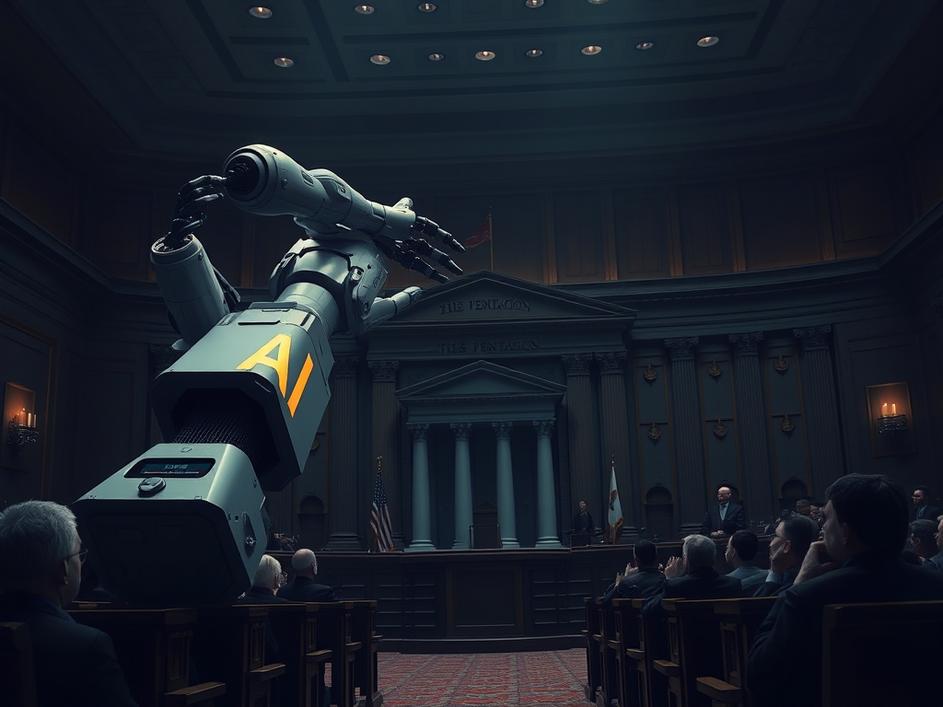
ToggleArtificial intelligence company Anthropic is taking on the Department of Defense (DoD) in a lawsuit that’s grabbing attention way beyond Silicon Valley. While the details of the suit are confidential, the core issue seems to revolve around intellectual property and contract disagreements. But the implications? They are huge, and a growing chorus of voices are warning about the long-term consequences for innovation and national security. It’s a classic David vs. Goliath scenario, but this time, David has code.
On the surface, this looks like a standard business disagreement: a company feels wronged by a government agency. But the support Anthropic is receiving from unexpected corners suggests something much bigger is at stake. Experts in AI ethics, open-source development, and even some national security circles are lining up, not necessarily to defend Anthropic’s specific claims, but to raise concerns about the broader message the DoD’s actions send to the tech community. If the government can strong-arm AI companies, what does that mean for innovation?
The biggest worry is the potential for a “chilling effect.” If AI companies fear that working with the government – particularly the DoD – means risking their intellectual property or facing unfair contract terms, they might think twice about collaborating. This could stifle innovation in areas critical to national security, as the most cutting-edge AI research often happens in the private sector. Smaller AI startups, especially, might be scared off, leaving the field dominated by a few large corporations with the resources to fight back.
Another concern is the impact on the open-source AI movement. Many AI companies, including Anthropic, contribute to open-source projects, sharing their research and code with the wider community. This fosters collaboration and accelerates innovation. However, if companies believe that their contributions could be exploited by the government without fair compensation or recognition, they might be less willing to participate in open-source initiatives. That would be a huge blow to the progress of AI as a whole. There are concerns that current DoD policies, interpreted broadly, could discourage the sharing of innovations and code that are critical to public progress.
Ironically, the DoD’s actions could undermine its own goals. The US military needs access to the best AI technology to maintain its strategic advantage. But if the government creates an environment where AI companies are reluctant to work with it, the military will be left with second-rate technology. This could weaken national security and make the US less competitive in the global arena. Fostering a healthy relationship with the AI sector should be a top priority, not an afterthought.
The Anthropic lawsuit highlights the need for a new framework for government-AI collaboration. The current system seems ill-equipped to handle the unique challenges posed by AI, particularly regarding intellectual property and open-source contributions. Congress needs to step in and create clear guidelines that protect both the interests of the government and the rights of AI companies. This framework should promote transparency, fairness, and collaboration, encouraging innovation while safeguarding national security.
This isn’t just about one lawsuit or one company. It’s about the future of AI innovation in the United States. The DoD needs to address the concerns raised by Anthropic’s supporters and work towards a more collaborative and transparent relationship with the AI sector. Failing to do so could have serious consequences for national security and the US’s position as a global leader in AI. Let’s hope this lawsuit serves as a wake-up call, prompting a serious conversation about how to foster innovation and collaboration in the age of artificial intelligence. Ignoring these warning signs could set back the advancement of AI for years to come. This case is more than a simple legal battle; it’s a pivotal moment for the future of AI and its relationship with the government.



Comments are closed