

We are a digital agency helping businesses develop immersive, engaging, and user-focused web, app, and software solutions.
2310 Mira Vista Ave
Montrose, CA 91020

2500+ reviews based on client feedback
What's Included?
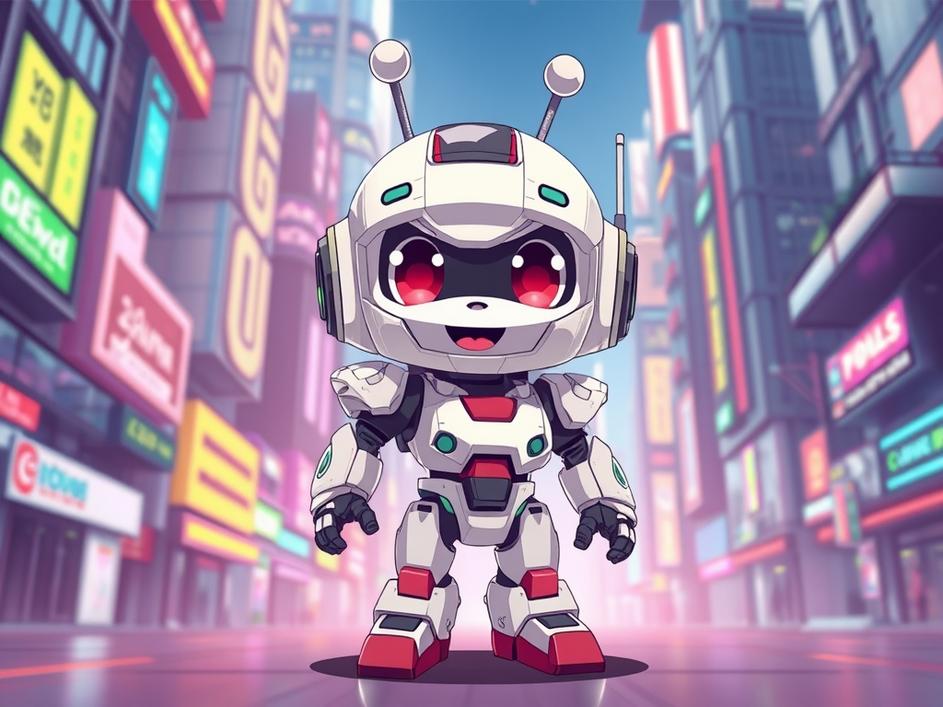
ToggleOnline entertainment giant iQIYI recently unveiled two original micro-animation series crafted with the help of artificial intelligence. These aren’t just simple animated shorts; they represent a significant step toward AI’s involvement in creative storytelling. Titled “My Mecha Boy” and “Ancient Kitchen”, these animations quickly gained traction on the platform, sparking conversations about the future of entertainment and AI’s role in it.
What’s unique about these projects is the extent to which AI was used in their creation. While AI has been used for tasks like animation assistance and rendering for a while, iQIYI seems to be pushing the boundaries by involving AI more deeply in the storytelling process. Although the exact methods used are proprietary, the company emphasizes how AI was crucial in developing the narratives and visual styles of these micro-animations. The question is, how much was guided by AI, and how much by human artists?
Micro-animations, short-form animated content, are gaining popularity, especially among younger audiences. Their bite-sized format is perfect for platforms like smartphones and tablets, catering to viewers with shorter attention spans. This makes them an ideal testing ground for new technologies like AI-assisted animation. If successful, expect to see longer-format AI driven shows hitting streaming services in the future. They offer quick entertainment and can be easily shared on social media, increasing their reach and impact.
The rise of AI in storytelling brings both opportunities and challenges. On one hand, AI could significantly reduce production costs and timelines, allowing studios to create more content with fewer resources. It could also help personalize content, tailoring stories to individual viewers’ preferences. Imagine an animation that adapts its plot and characters based on your viewing history! However, it is worth noting that human creativity will always play an important role in developing complex and well-rounded characters. Some may also worry about job security for animators and writers. If AI can generate stories and animate them, what role will humans play in the future of entertainment?
For now, it is not known to what extent the plots of “My Mecha Boy” and “Ancient Kitchen” were influenced by human creativity. While it seems like iQIYI may be simply using AI to assist with things like animation, it could be a sign that the company is interested in automating other creative activities, such as storyboarding and plot generation. As AI animation becomes more refined, we can expect to see improvements in many things, such as animation fluidity and character lip synching. With these AI micro-animations, we might be seeing the first steps in this direction, potentially reshaping the entertainment landscape as we know it.
This move by iQIYI raises important questions about the future of creativity and the role of AI in shaping our entertainment experiences. Will AI become a collaborator, assisting human artists and storytellers, or will it eventually replace them altogether? Will audiences embrace AI-generated content, or will they crave the unique touch of human creativity? The answer to these questions is still unknown, but one thing is clear: the world of entertainment is on the cusp of a major transformation, and AI is poised to play a central role.
Ultimately, AI should be viewed as a powerful new tool that can augment human creativity, not replace it. By automating repetitive tasks and generating new ideas, AI can free up artists to focus on the more nuanced and emotionally resonant aspects of storytelling. The key will be finding the right balance between AI assistance and human artistry, ensuring that AI serves to enhance, not diminish, the quality and originality of our entertainment.



Comments are closed