

We are a digital agency helping businesses develop immersive, engaging, and user-focused web, app, and software solutions.
2310 Mira Vista Ave
Montrose, CA 91020

2500+ reviews based on client feedback
What's Included?
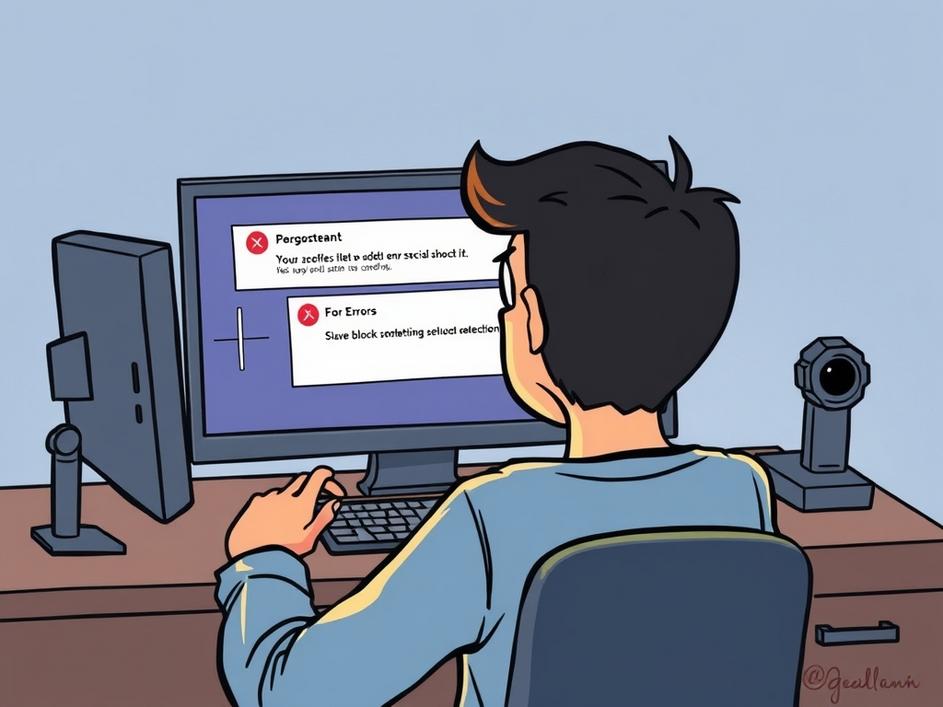
ToggleSo, you’re browsing Lemmy, enjoying the decentralized social media experience, and you stumble upon an instance – let’s say it’s lemmygrad. You decide, for whatever reason, that you don’t want to see content from that instance anymore. You go to block it, and… nothing. Error message. Frustration ensues. This is a problem a user on sh.itjust.works recently ran into, and it highlights a challenge in the fediverse: blocking isn’t always straightforward.
The fediverse, built on protocols like ActivityPub, is designed to be decentralized. This means different communities (instances) can talk to each other. Think of it like email – you can have a Gmail account and still communicate with someone who uses Yahoo Mail. Blocking, in this context, is supposed to prevent interactions between your instance and another. You block an instance, and theoretically, their posts shouldn’t show up in your feed, and their users shouldn’t be able to interact with you directly. But reality, as always, is a bit more complicated.
There are several reasons why blocking an instance might fail. First, there could be technical issues. The Lemmy software itself might have a bug that prevents blocks from being properly registered or propagated across the network. Or, there might be a problem with the specific instance you’re using. Maybe their server is overloaded, or they’re experiencing network issues. These problems can prevent block requests from going through successfully. Another issue is that blocking relies on cooperation. An instance can choose to ignore block requests, although this is generally frowned upon in the fediverse. It undermines the whole point of having blocking features. However, some instances might do this for ideological reasons or because they disagree with the concept of blocking entirely.
The apps you’re using to access Lemmy can also play a role. Different apps might handle blocking differently. Some might have bugs that prevent blocks from working correctly. Others might not fully implement all the features of the Lemmy API, including blocking. It’s worth trying different apps or accessing Lemmy through the web interface to see if that makes a difference. Sometimes, a simple workaround like clearing your cache or logging out and back in can resolve the issue. If all else fails, consider reporting the problem to the developers of the app or the administrators of your Lemmy instance. They might be able to provide more specific guidance or fix the underlying issue.
Beyond the technical issues, there’s also a social and philosophical aspect to consider. Blocking can be a contentious issue in online communities. Some people see it as a necessary tool for protecting themselves from harassment or unwanted content. Others view it as a form of censorship that stifles free speech. In the fediverse, where communities are self-governed, there’s often a wide range of opinions on blocking. Some instances might be more lenient towards content that others find objectionable. This can lead to disagreements about what should be blocked and who should be allowed to participate. The inability to block a specific instance can be frustrating, but it also highlights the complexities of building a decentralized social network where different communities have different values.
Each Lemmy instance is typically managed by its own set of administrators. These individuals are responsible for setting the rules of the community and moderating content. They have the power to block other instances, remove posts, and ban users. If you’re having trouble blocking an instance yourself, you might consider contacting the administrators of your instance and asking them to block it. However, they might not agree to do so. They might have different priorities or disagree with your reasons for wanting to block the instance. Ultimately, the decision of whether or not to block an instance rests with the administrators of each individual instance. This decentralized approach to moderation can be both a strength and a weakness of the fediverse. It allows communities to tailor their rules to their specific needs, but it can also lead to inconsistencies and disagreements.
The challenges of blocking in Lemmy and the fediverse highlight some of the broader issues with decentralized social media. While decentralization offers many benefits, such as increased user control and resistance to censorship, it also presents new challenges for moderation and content filtering. How do you effectively block content when there’s no central authority to enforce the rules? How do you ensure that users are protected from harassment and abuse when they can interact with people from all over the network? These are questions that the fediverse community is still grappling with. There are no easy answers, and the solutions will likely evolve over time as the technology and the community continue to grow.
So, what can you do if you can’t block a specific Lemmy instance? First, be patient and persistent. Try different apps, clear your cache, and log out and back in. If that doesn’t work, contact the administrators of your instance and ask them to block it. If they’re unwilling to do so, you might consider finding a different instance that better aligns with your values. The fediverse is all about choice, and there are many different communities to choose from. Ultimately, navigating the fediverse requires a bit of experimentation and a willingness to adapt. It’s not always easy, but the potential rewards – a more decentralized, user-controlled social media experience – are well worth the effort.



Comments are closed