

We are a digital agency helping businesses develop immersive, engaging, and user-focused web, app, and software solutions.
2310 Mira Vista Ave
Montrose, CA 91020

2500+ reviews based on client feedback
What's Included?
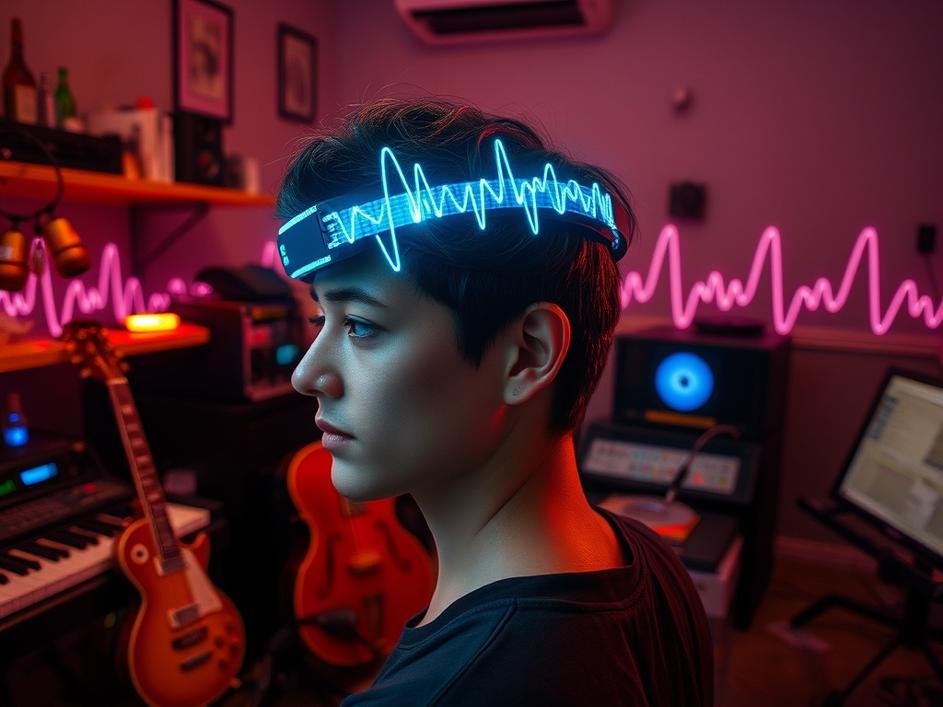
ToggleImagine hearing the music of your own mind. Not just the thoughts swirling around, but the actual electrical activity translated into sound. That’s exactly what happened when someone recently had their brainwaves converted into music using a digital instrument created by a Juno-nominated artist. It sounds like something out of a science fiction movie, but it’s a real thing happening in a lab in Newfoundland, Canada. The idea of turning brain activity into art is captivating, blurring the lines between science, technology, and music.
The process involves using an electroencephalogram (EEG), a device that measures electrical activity in the brain. Sensors are placed on the scalp, and these sensors detect the tiny electrical signals produced by our neurons. These signals are then fed into a computer, which uses specialized software to translate the brainwaves into musical notes or sounds. Different brainwave patterns, associated with different states of consciousness (like relaxation, focus, or excitement), produce different musical outputs. So, a calm, meditative state might generate soothing, ambient tones, while a burst of creative thinking could result in a more complex and dynamic melody.
While the concept of brainwave music might seem like a cool gimmick, it has the potential to be much more than that. For artists, it offers a completely new palette of sounds to work with, sounds generated directly from the human brain. Imagine a composer using brainwave data from dancers to create a score that perfectly reflects their movements and emotions. Or a musician collaborating with a neuroscientist to explore the relationship between music and the brain in real-time. The possibilities are endless.
Beyond artistic expression, brainwave music could also have therapeutic applications. Studies have shown that music can have a profound impact on our mental and emotional well-being. It can reduce stress, alleviate pain, and even improve cognitive function. By using brainwave data to create personalized music experiences, we could potentially develop new therapies for conditions like anxiety, depression, and insomnia. Imagine listening to music specifically designed to calm your mind and promote relaxation, based on your own unique brainwave patterns. This is not just about entertainment; it is about tuning into our own internal rhythms for health benefits.
The most fascinating aspect of brainwave music is its potential to help us connect with ourselves on a deeper level. By listening to the sounds of our own brains, we can gain a greater awareness of our thoughts, emotions, and internal states. It’s like having a window into our own consciousness. This could lead to a greater understanding of ourselves and our place in the world. And that is why this melding of art and science might be one of the most important developments of our time.
As with any technology that directly interfaces with the brain, there are ethical considerations to keep in mind. We need to ensure that brainwave data is collected and used responsibly, with appropriate safeguards in place to protect privacy and prevent misuse. Also, we need to be careful about how we interpret brainwave data, avoiding overly simplistic or deterministic conclusions. Brainwaves are complex and influenced by many factors, so it’s important to approach this technology with caution and respect. But, if we do it right, brainwave music could open up new frontiers in art, science, and self-discovery.
Could this technology also democratize music creation? Traditionally, making music required instruments, training, and a certain level of technical skill. But what if you could create music simply by thinking? Brainwave music could potentially bypass these barriers, allowing anyone to express themselves musically, regardless of their background or abilities. Of course, there would still be a learning curve involved in mastering the technology and shaping the raw brainwave data into something coherent and aesthetically pleasing. But the potential for increased accessibility is definitely there.
Ultimately, the brainwave music project highlights the power of interdisciplinary collaboration. By bringing together artists, scientists, and technologists, we can create things that would be impossible to achieve in isolation. It’s a reminder that the most exciting innovations often happen at the intersection of different fields. And it serves as a reminder that the human brain is still largely a mystery, full of untapped potential waiting to be explored. Who knows what other amazing discoveries await us as we continue to delve deeper into the inner workings of the mind?


Comments are closed