

We are a digital agency helping businesses develop immersive, engaging, and user-focused web, app, and software solutions.
2310 Mira Vista Ave
Montrose, CA 91020

2500+ reviews based on client feedback
What's Included?
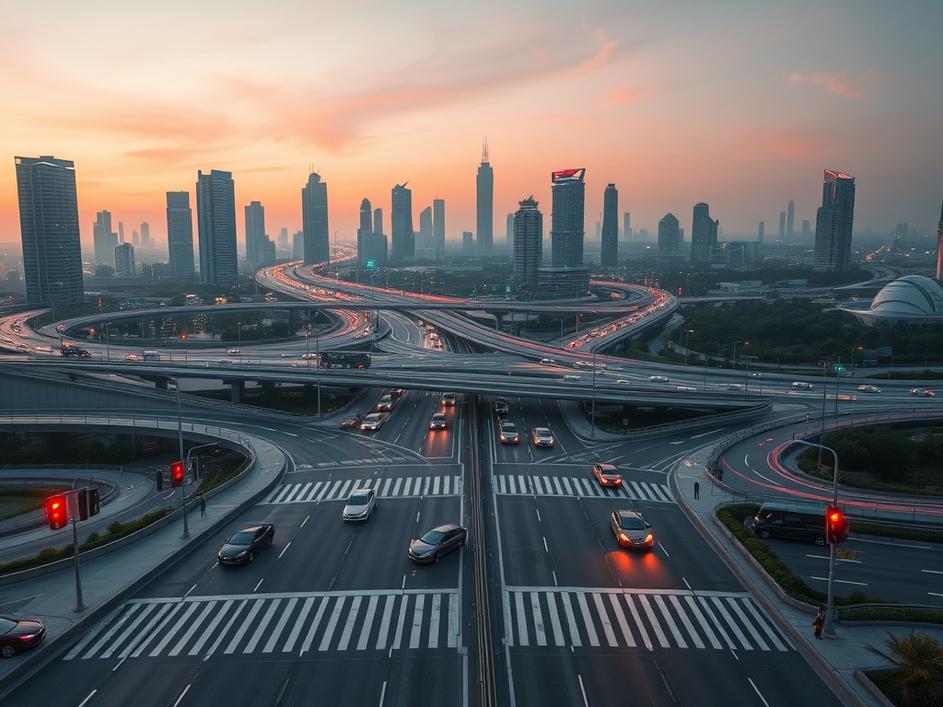
ToggleIntertraffic Amsterdam is always a hotspot for showcasing the latest and greatest in transportation technology, and 2026 was no exception. One of the biggest buzzes came from Dahua Technology, who presented their vision for the future of intelligent transportation systems (ITS). Instead of simply tweaking existing systems, they seem to be building something completely new. Dahua highlighted a range of AI-powered solutions designed to make our roads safer, more efficient, and ultimately, smarter. Their display offered a glimpse into a world where traffic flows seamlessly, accidents are minimized, and cities respond dynamically to the needs of their citizens. It’s not just about cameras and sensors anymore; it’s about creating a cohesive, intelligent ecosystem.
The core of Dahua’s ITS solutions appears to be artificial intelligence. They’re using AI in pretty much every aspect, from monitoring traffic flow to identifying potential hazards. Imagine cameras that can not only see a traffic jam, but also predict when and where one might occur, allowing traffic management centers to proactively adjust signals and routes. Dahua demonstrated systems that can automatically detect accidents, alert emergency services, and even provide real-time information to drivers about alternative routes. This kind of responsiveness could drastically reduce congestion and save lives. The AI is also being used to improve the accuracy of traffic data collection, providing city planners with better insights into how people are moving around, and where infrastructure improvements are needed most.
While security is definitely a component, Dahua’s focus extends far beyond simple surveillance. Their ITS solutions are designed to be proactive, not just reactive. For example, they showcased technology that can identify aggressive driving behaviors and alert authorities, helping to prevent accidents before they happen. They’re also using AI to optimize traffic signal timing in real-time, adjusting to changing traffic patterns throughout the day. And it’s not just about cars; Dahua’s systems are also designed to improve pedestrian safety, with features like pedestrian detection and smart crosswalks that automatically adjust timing based on pedestrian volume. The overall impression is that they’re trying to create a holistic system that benefits everyone, not just drivers.
What’s really interesting is how Dahua is thinking about integrating these ITS solutions into existing infrastructure. They understand that cities can’t just rip out everything and start from scratch. That’s where AI comes in. Retrofitting existing systems becomes easier. They seem to be focusing on modular solutions that can be easily deployed and integrated with existing traffic management systems. They also highlighted several real-world case studies, showcasing how their technology has already been implemented in cities around the world to improve traffic flow, reduce accidents, and enhance public safety. Seeing these solutions in action really brings home the potential impact of AI-powered ITS.
Of course, with any new technology, there are always concerns about privacy and security. Dahua needs to address these head-on. How are they ensuring that data is being collected and used responsibly? What safeguards are in place to prevent unauthorized access to sensitive information? These are crucial questions that need to be answered to build public trust and ensure the widespread adoption of ITS solutions. There are also technical challenges to overcome, such as ensuring the accuracy and reliability of AI algorithms in all weather conditions. It’s not enough to just have the technology; it has to work consistently and reliably in the real world.
Dahua’s presentation at Intertraffic 2026 offered a compelling vision for the future of transportation. Their AI-powered ITS solutions have the potential to revolutionize the way we manage our roads, making them safer, more efficient, and more sustainable. By focusing on proactive solutions, real-world integration, and addressing potential concerns, Dahua is positioning itself as a leader in the intelligent transportation space. It will be exciting to see how their technology evolves and how it shapes the future of our cities and transportation networks. This technology can reshape how we approach road infrastructure and city planning, pushing toward a smarter, safer tomorrow.

Comments are closed