

We are a digital agency helping businesses develop immersive, engaging, and user-focused web, app, and software solutions.
2310 Mira Vista Ave
Montrose, CA 91020

2500+ reviews based on client feedback
What's Included?
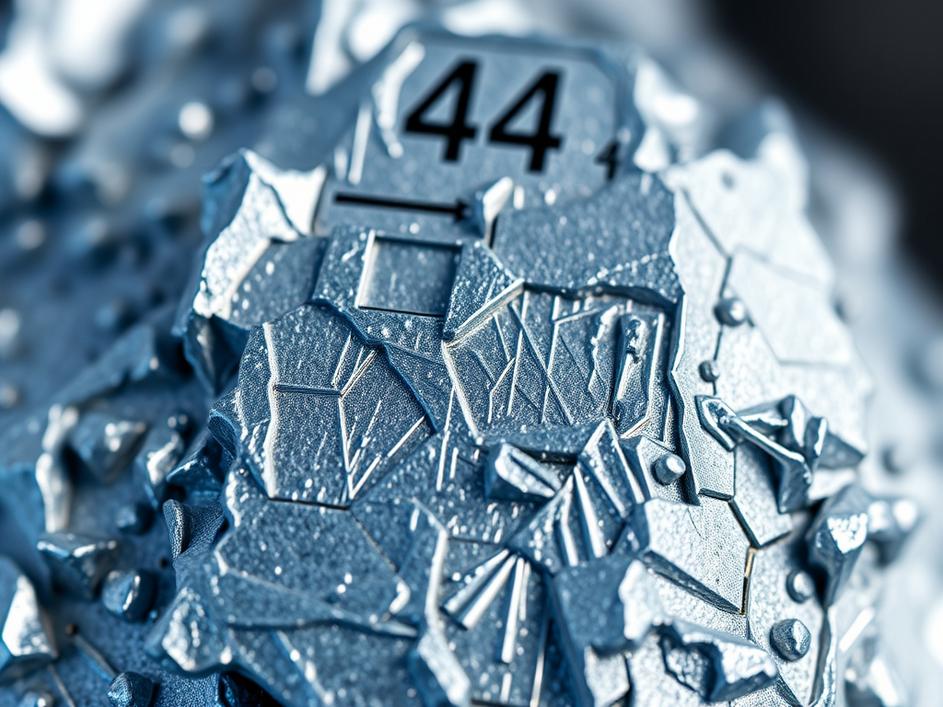
ToggleThe artificial intelligence revolution is upon us, and while much of the focus is on software, algorithms, and massive data centers, a crucial element is quietly experiencing a surge in demand: ruthenium. You may not have heard of it, but this rare platinum group metal is becoming increasingly vital in various technological applications, and its price is reflecting this newfound importance. The cost of ruthenium has recently skyrocketed, hitting record highs, and the primary culprit is the AI boom.
So, what exactly does ruthenium do? Its exceptional hardness and resistance to corrosion make it ideal for use in electrical contacts, hard disk drives, and chemical catalysts. The increasing sophistication and miniaturization of electronic devices, particularly those used in AI infrastructure, are driving demand for ruthenium. Ruthenium is crucial in manufacturing the specialized computer chips needed for AI, which in turn impacts cloud computing, machine learning, and various other cutting-edge technologies. As AI becomes more deeply integrated into our daily lives, the need for ruthenium is only expected to grow.
One of the major factors contributing to the price surge is the limited supply of ruthenium. It is a rare element found in relatively few locations around the world, often as a byproduct of platinum mining. South Africa and Russia are major producers, and geopolitical factors can significantly impact the availability of ruthenium on the global market. The process of extracting and refining ruthenium is complex and energy-intensive, adding to its cost. As demand increases, the existing supply chains are struggling to keep pace, creating a bottleneck that drives prices higher and higher. The situation is further compounded by the fact that investment in new ruthenium production has been slow, as companies have been hesitant to commit to long-term projects given the uncertainty of demand in the past.
While AI is the primary driver, other industries also contribute to the rising demand for ruthenium. The chemical industry uses ruthenium-based catalysts in various processes, including the production of plastics and pharmaceuticals. The electronics industry relies on ruthenium for its unique properties in hard drives and other components. Even the energy sector utilizes ruthenium in certain fuel cell technologies. This broad range of applications means that the demand for ruthenium is diversified, making it less susceptible to fluctuations in any single industry. The combined effect of all these sectors is putting immense pressure on the limited supply of ruthenium.
The record-high ruthenium prices have significant implications for various industries. Increased costs for electronics manufacturers could translate to higher prices for consumer goods. Companies that rely on ruthenium in their production processes may need to explore alternative materials or technologies, which can be costly and time-consuming. The AI industry, in particular, may face challenges in scaling up production if the supply of ruthenium remains constrained. There may also be increased incentives for illegal mining or smuggling of ruthenium, which could have negative environmental and social consequences. It’s quite possible that in the short term, prices will remain elevated. Longer term, efforts to discover new sources and better recycling practices may bring some relief. Innovation in AI chips may reduce the metal needed, too.
As the price of ruthenium continues to climb, there is growing interest in developing alternative materials and recycling existing ruthenium-containing components. Recycling ruthenium from electronic waste can help to alleviate some of the supply pressure, but it requires specialized infrastructure and processes. Research into new materials that can replace ruthenium in certain applications is also underway, but these efforts are still in the early stages. Another potential solution is to improve the efficiency of ruthenium use in existing applications, such as by developing new catalysts or optimizing the design of electronic components. The industry is trying to address the supply shortage in many different ways.
The rising price of ruthenium has also caught the attention of investors, who see potential opportunities in the rare metals market. However, investing in ruthenium can be risky, as the price is subject to volatility and market speculation. There are few publicly traded companies that are directly involved in ruthenium mining or refining, making it difficult for individual investors to gain exposure to the market. Additionally, the regulatory landscape surrounding rare metals is complex and constantly evolving, which can add to the risks. It is important to conduct thorough research and consult with a financial advisor before making any investment decisions.
The ruthenium story highlights the complex interplay between technological innovation, resource scarcity, and global supply chains. As AI continues to advance and become more pervasive, it is likely that other rare metals and materials will also experience surges in demand. This underscores the importance of sustainable resource management, responsible mining practices, and investments in recycling and alternative materials. The future of AI depends not only on brilliant algorithms and powerful computers but also on the availability of the physical resources that make these technologies possible. Finding a balance between innovation and sustainability will be crucial for ensuring the long-term viability of the AI revolution.



Comments are closed