

We are a digital agency helping businesses develop immersive, engaging, and user-focused web, app, and software solutions.
2310 Mira Vista Ave
Montrose, CA 91020

2500+ reviews based on client feedback
What's Included?
ToggleChickpea farmers in some regions are facing tough times. They’re dealing with fluctuating market prices, import challenges, and the ever-present risks of crop failure due to pests or unpredictable weather. It’s a perfect storm that’s leaving many farmers feeling uncertain about their livelihoods. The current situation highlights how vulnerable farmers are to global market forces and the urgent need for solutions that can provide stability and improve their outcomes.
But there’s a potential game-changer on the horizon: artificial intelligence (AI). While it might sound like something out of a science fiction movie, AI is already being used in agriculture to improve efficiency and decision-making. And it could offer real hope for chickpea farmers struggling to stay afloat. The promise of AI lies in its ability to analyze massive amounts of data and provide insights that humans simply can’t.
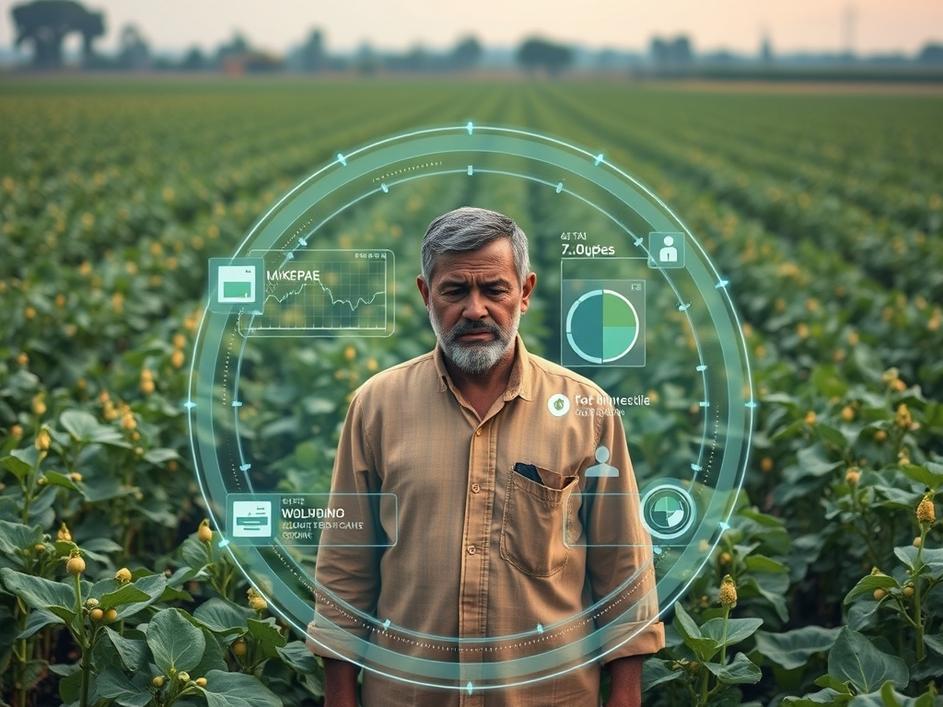
So, how exactly can AI help chickpea farmers? One of the most promising applications is in precision agriculture. AI-powered systems can analyze data from satellites, drones, and sensors in the field to monitor crop health, soil conditions, and weather patterns. This information can then be used to optimize irrigation, fertilization, and pest control, ensuring that resources are used efficiently and effectively. Farmers can get alerts on their phones to take immediate action.
Imagine a farmer receiving a notification that a specific area of their field is showing signs of nutrient deficiency. Instead of applying fertilizer across the entire field, they can target only the affected area, saving money and reducing environmental impact. Similarly, AI can help farmers identify and address pest infestations early on, preventing widespread damage and minimizing the need for harmful pesticides. These targeted interventions can lead to significant improvements in yield and quality, boosting farmers’ incomes.
Beyond the farm, AI can also help chickpea farmers make smarter decisions about when and how to sell their crops. AI-powered market analysis tools can provide insights into price trends, supply and demand dynamics, and export opportunities. This information can help farmers negotiate better prices for their products and avoid being taken advantage of by middlemen. These tools can level the playing field, giving farmers more control over their financial destinies.
Of course, there are challenges to adopting AI in agriculture. One of the biggest is the cost of technology. AI-powered systems can be expensive to implement, and many small-scale farmers may not have the resources to invest in them. Additionally, there’s the issue of access to data and connectivity. AI systems rely on vast amounts of data to function effectively, and farmers in remote areas may not have access to the internet or other infrastructure needed to collect and transmit data.
To overcome these challenges, it’s crucial to provide farmers with training and support. They need to understand how AI systems work and how to use them effectively. Governments, NGOs, and private companies can play a role in providing this training and ensuring that farmers have access to the resources they need. Furthermore, it’s important to develop AI solutions that are tailored to the specific needs of chickpea farmers in different regions.
Despite the challenges, the potential benefits of AI for chickpea farmers are enormous. By improving efficiency, reducing costs, and providing access to better market information, AI can help farmers increase their incomes and build more sustainable livelihoods. And by promoting more sustainable farming practices, AI can also help protect the environment and ensure the long-term viability of chickpea production.
The situation for chickpea farmers may seem dire, but there’s reason to be optimistic. With the help of AI, these farmers can overcome the challenges they face and build a brighter future for themselves and their families. It won’t be easy, but by embracing innovation and working together, we can ensure that chickpea farmers have the tools they need to thrive.
AI offers a way to improve crop yields and incomes by optimizing resources and predicting market trends. It can also help small farmers compete in global markets. The goal is to make these tools accessible and easy to use, ensuring that they benefit those who need them most. By supporting farmers with the right technology and training, we can help them adapt to a changing world and secure their future.



Comments are closed