

We are a digital agency helping businesses develop immersive, engaging, and user-focused web, app, and software solutions.
2310 Mira Vista Ave
Montrose, CA 91020

2500+ reviews based on client feedback
What's Included?
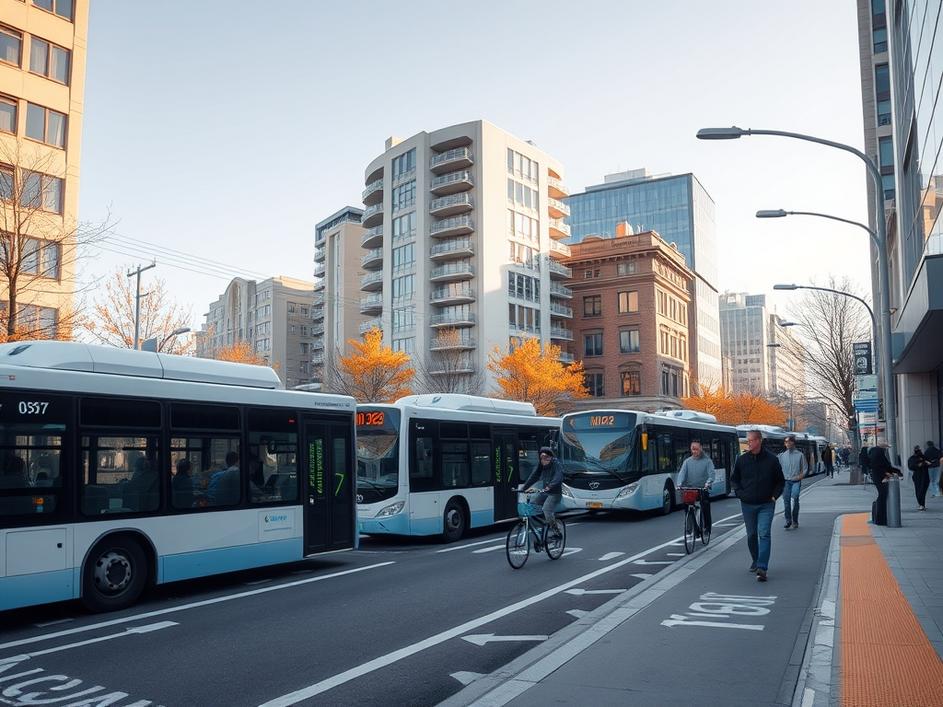
ToggleEarlier this month, the city gave the green light to a plan that could change how people move around town. The council approved a package that speeds up the shift away from older diesel buses and car-heavy streets. The idea is simple: swap in electric buses, add more protected bike lanes, and reorganize a few busy corridors so buses can keep to schedule. It’s framed as a practical fix for jams, not a talk at the podium. Still, the move shows a city trying to grow up in plain sight—faster, greener, and a little more stubborn about what it takes to get around. For people who commute, shop, or drop kids at practice, the change promises a smoother ride on many days, along with a few growing pains to boot.
Why now? The plan rides on four threads. First, electricity is cheaper than fuel in many places, and new buses run cleanly on it, cutting both cash spent and pollution. Second, traffic patterns long ago learned to ignore buses; the new lanes and signal tweaks push buses to the front of the line. Third, residents asked for a quieter, safer street life near schools and homes. And fourth, local businesses know smoother trips bring more customers and less late deliveries. The city aims to balance cost with care, but it is not a pure win. There are upfront fees for charging sites, training drivers, and reshaping bus routes. Over time, however, a leaner system could save money and space.
On the health side, the payoff looks real. Fewer diesel buses mean cleaner air, especially for people who walk to work or wait at bus stops. The streets could feel calmer too, with less engine hum and fewer fumes in the morning air. Yet health gains depend on how fast the fleet rolls out and how many people switch from cars. If too many trips stay in single-occupant cars, the air in the city doesn’t improve as much as hoped. The plan asks everyone to rethink how they travel, not just replace one engine with another. It’s a chance to breathe a little easier, but only if the city keeps the pace and keeps the focus on people, not parking spots.
Tech is in the mix, too, but not in a flashy way. City planners talk about data dashboards, not magic. Real-time updates show where buses are, how long waits are, and where lanes get clogged. The goal is simple: fewer surprises for riders. That means repair crews, safety checks, and an easy way to report issues. The human touch matters here. A driver who knows a route well and a dispatcher who responds fast can save a rider a lot of time and stress. Still, tech can also become a crutch if it takes focus away from the ground realities. The plan should use data to guide decisions while keeping listening sessions with residents at the center.
For small businesses and families, the shift will show up in pockets first. Local shops near transit hubs may see more foot traffic as riders linger to catch a connection. Parents might gain time in the mornings if buses arrive on a predictable schedule. On the downside, some workers could face longer commutes during the switch, at least at the start. The city’s job is to soften those blows with subsidies, flexible hours, or safe walking routes to reduce risk for kids and seniors. The best outcome would be a streetscape where a family can walk to a stop, a worker can hop on a bus, and a shopkeeper can plan around predictable crowds instead of chaotic traffic.
Looking ahead, this plan feels like a long walk with small steps. It won’t solve every problem overnight, but it could shape the city’s character for years to come. The key is steady rollout, honest updates, and room to bend as people respond. If the city pairs investments with honest listening, the change could be more than a transit upgrade. It could become a daily habit—a reminder that a city isn’t just laid out by roads and signs, but by the choices people make about how they move. In the end, the measure of success isn’t a single ribbon-cutting moment. It’s quieter mornings, reliable rides, cleaner air, and a sense that the streets belong to everyone, not just the loudest driver.

Comments are closed