

We are a digital agency helping businesses develop immersive, engaging, and user-focused web, app, and software solutions.
2310 Mira Vista Ave
Montrose, CA 91020

2500+ reviews based on client feedback
What's Included?
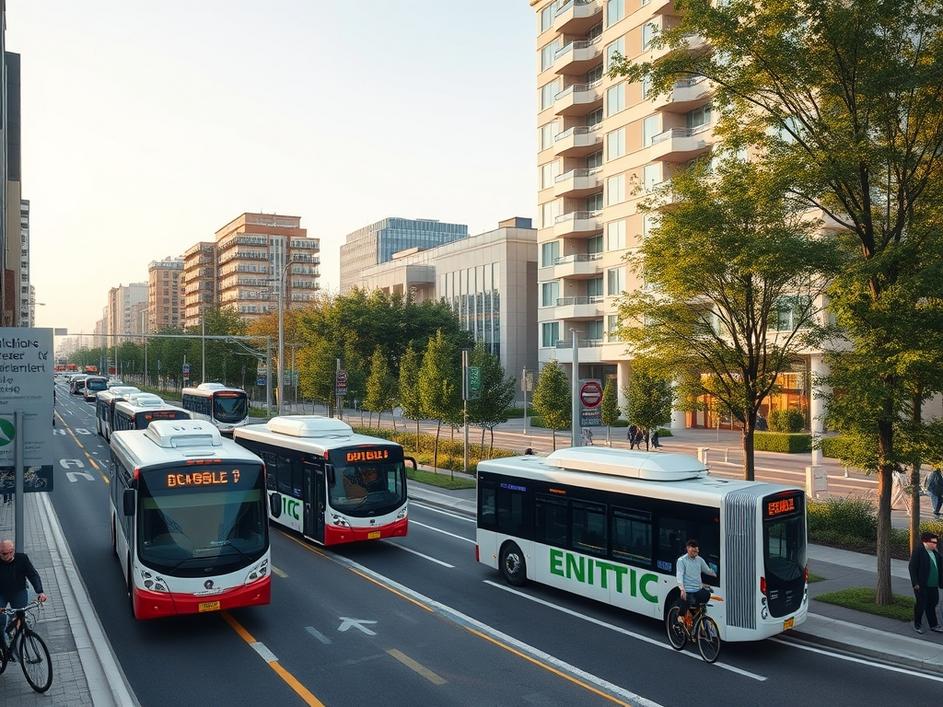
ToggleIn a move that aims to reshape daily life, the city announced a sweeping plan to shift away from gas-powered travel toward a network powered by electric buses, bikes, and better sidewalks. The plan lays out a timeline of a decade, starting with a big push on public transit and charging stations. Officials say the goal is smaller pollution, less congestion, and a city that can breathe a little easier. The details are still broad, and critics worry about whether the money will be there when the buses are needed and the lanes are crowded. Still, the message is clear: change is coming, not someday, but soon enough to feel tangible in rush hour and on weekend errands.
The average rider will notice the shift first in buses that feel newer and quieter. There are promises of more frequent routes and better service coverage, even for neighborhoods that sit far from the downtown core. For a lot of people, that means fewer long waits and a more predictable schedule. But there are caveats. The plan also talks about fare adjustments, potential subsidies for low-income riders, and a push to expand bike lanes that may clash with car traffic in busy corridors. How it actually feels will depend on execution—on the speed of conversions, the reliability of the new routes, and how well the city coordinates with neighboring towns.
Money is the big question everyone keeps coming back to. The city is talking about bonds, state funds, and private partnerships. Some funds will cover buses and charging stations; others go toward street upgrades and safety features. The risk is real: if the budget grows tight, projects stall and promises fade. On the flip side, a well-structured plan can create jobs and keep money circulating in the local economy. The real test will be whether the plan can deliver on its promises without saddling future taxpayers with heavy debt. In the end, people want to see that each dollar spent translates into safer commutes and cleaner air, not just nicer signage and glossy slides.
Equity is supposed to be a pillar of the plan. The city says it will focus on neighborhoods that have faced the worst air quality and the fewest transit options. That means more buses in underserved areas, lower fares, and programs to train residents for green jobs. But there’s a risk of misfires: if outreach is uneven, if people feel left out of the decision loop, the whole plan can lose steam. The best version of this proposal treats transit as a public good, not a privilege. It asks developers, employers, and the transit agency to work together, and it asks residents to participate in shaping routes, schedules, and safety measures that touch their lives daily.
As with any big rollout, timing, supply chains, and politics can derail progress. Electric buses depend on reliable suppliers and skilled technicians who understand the battery and charging needs. The city will have to train staff and create maintenance hubs that work in all kinds of weather. Lanes and signals must be redesigned to keep buses moving and cyclists safe. And then there’s the political weather—opponents who call the plan too costly, or supporters who fear the pace is not fast enough. The best bet is a candid, transparent approach: share challenges as they arise, adjust timelines when needed, and keep residents in the loop so rumors don’t fill the void left by slow progress.
This moment invites more than a policy tweak. It invites a shift in daily routines and in how a city grows. If done well, the plan can reduce pollution, save people time, and give kids safer streets to ride on. It can also spark a culture of shared space—people choosing buses, bikes, or walking over parking and gridlock. I’m cautious but hopeful. Hope isn’t a guarantee, but it is a reminder that everyday choices matter. For readers, the takeaway is simple: pay attention to the details, ask questions, and imagine how your neighborhood could feel with cleaner air and quieter streets. The new plan won’t fix everything at once, but it could start a movement we can actually feel in our lungs and on our calendars.

Comments are closed