

We are a digital agency helping businesses develop immersive, engaging, and user-focused web, app, and software solutions.
2310 Mira Vista Ave
Montrose, CA 91020

2500+ reviews based on client feedback
What's Included?
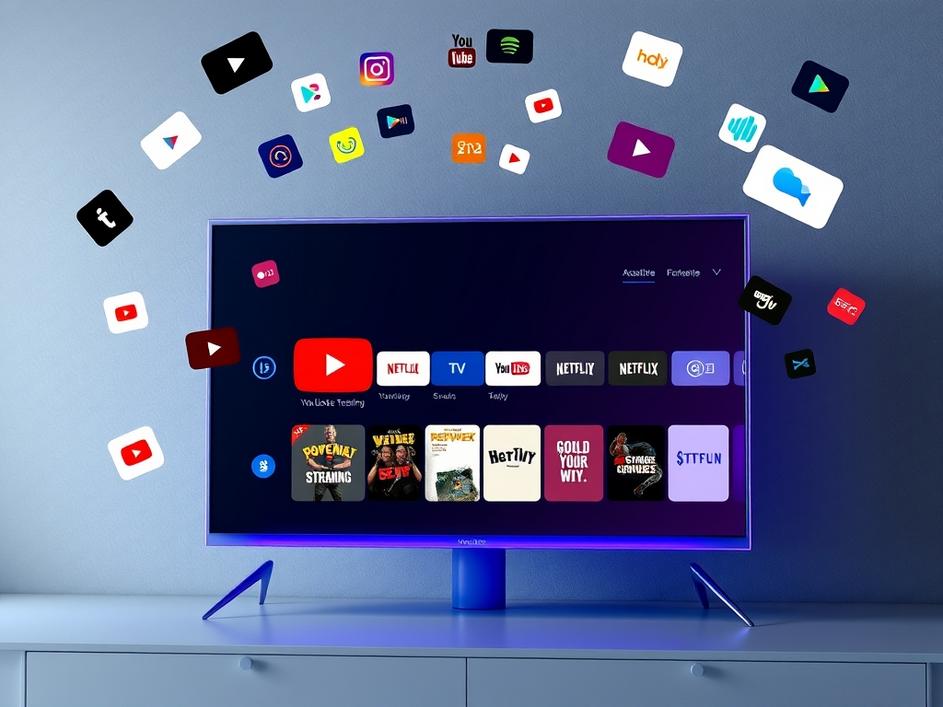
ToggleFor customers of one Colorado-based internet and TV provider, change is in the air. This provider, choosing to exit the streaming TV business, is moving its current subscribers over to YouTube TV. The reason? It appears the costs and complexities of running a streaming service in today’s market have simply become too much to bear. This move highlights a larger trend happening in the streaming landscape: consolidation and a scramble for profitability.
So, why YouTube TV? It’s likely a combination of factors. YouTube TV has established itself as a major player with a relatively stable platform. It offers a wide selection of channels, a decent user experience, and the backing of Google’s infrastructure. For the Colorado provider, partnering with an established service like YouTube TV means offloading the technological and content acquisition headaches that come with running their own streaming platform. Plus, it probably makes financial sense. Negotiating a deal to transition their subscribers likely offered a more appealing outcome than continuing to bleed money on their own service.
Of course, the biggest question is: what does this mean for the customers being moved? On the surface, it might seem like a hassle. They’re being forced to switch services, potentially learning a new interface and adjusting to different channel packages. However, in many ways, YouTube TV is a solid option. It generally has a good reputation for reliability and features, like unlimited DVR storage, which is a major draw for many. The price might be a sticking point for some; YouTube TV is not the cheapest streaming service out there. Whether subscribers will be offered a special introductory rate or some other incentive to ease the transition remains to be seen. Ultimately, the value proposition will determine whether customers embrace the change or start looking for alternatives.
This move also underscores the brutal reality of the streaming wars. We’ve seen a massive explosion of streaming services in recent years, all vying for our attention (and our wallets). But the market is becoming saturated, and not everyone can survive. Running a successful streaming service requires significant investment in technology, content acquisition (licensing or creating original shows), and marketing. Only a few giants, like Netflix, Disney+, and Amazon Prime Video, have the scale and resources to truly compete at the highest level. Others are finding it increasingly difficult to stay afloat, leading to consolidation, partnerships, or outright shutdowns.
Could this be a sign of things to come? We might see more internet and TV providers opting to bundle their services with existing streaming platforms like YouTube TV, rather than trying to build and maintain their own. It simplifies their business, reduces their risk, and potentially offers a better experience for their customers. It also hints at a possible return to the “cable bundle” model, albeit in a digital format. Instead of a single company controlling everything, you have partnerships between internet providers and streaming services, offering a convenient package deal. The key difference, hopefully, is more flexibility and transparency for consumers.
Does this event signify a march toward YouTube TV becoming the de facto streaming service? It’s a possibility, but several factors stand in its way. While YouTube TV offers a comprehensive package, it is not without competition. Services like Hulu + Live TV, Sling TV, and FuboTV continue to offer alternatives, often at different price points or with different channel lineups. Consumer preferences are also diverse. Some people prioritize affordability, while others are willing to pay more for a specific set of channels or features. The streaming landscape is still evolving, and no single service has yet achieved complete dominance.
Despite its current success, YouTube TV faces its own set of challenges. Keeping prices competitive while continuing to offer a wide range of channels is a constant balancing act. They also need to innovate and improve their platform to stay ahead of the competition. Technical glitches, user interface issues, and disputes with content providers can all damage their reputation and drive customers away. The streaming market is incredibly dynamic, and YouTube TV needs to remain vigilant and adapt to changing consumer demands.
In conclusion, the move of this Colorado-based provider’s customers to YouTube TV is a significant event. It highlights the difficulties of competing in the crowded streaming market and suggests a potential shift toward more bundling and partnerships. While YouTube TV is emerging as a strong player, it’s not a guaranteed path to complete dominance. The future of streaming remains uncertain, but one thing is clear: the landscape is constantly changing, and consumers have more choices than ever before. It is up to the consumer to make the best choice for them.



Comments are closed