

We are a digital agency helping businesses develop immersive, engaging, and user-focused web, app, and software solutions.
2310 Mira Vista Ave
Montrose, CA 91020

2500+ reviews based on client feedback
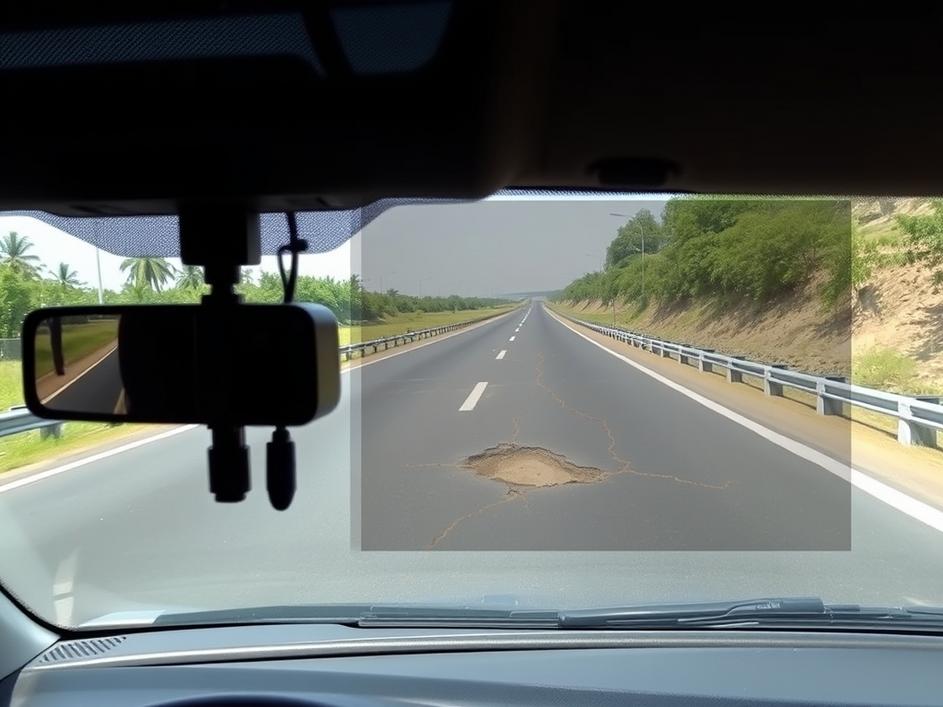
Imagine a world where roads could report their own problems – potholes, broken signs, dim lighting – all without a single phone call from a frustrated driver. Well, that future might be closer than we think. India’s National Highways Authority (NHAI) is planning to roll out AI-powered dashcam analytics services (DAS) across a huge chunk of its highway network. We’re talking about roughly 40,000 kilometers of roads getting a whole new level of scrutiny. The goal? To identify and address defects faster and more efficiently than ever before. This means safer, smoother journeys for everyone.
So, how does this AI magic actually happen? Think of it like this: specialized dashcams are fitted to vehicles that regularly travel these highways. These aren’t your average dashboard cameras; they’re equipped with sophisticated artificial intelligence that can analyze what the camera “sees”. The AI is trained to recognize a wide range of problems, from the obvious like potholes and cracks in the pavement, to things that are harder for humans to consistently spot, like faded lane markings or damaged road signs. The system can even detect issues with street lighting, ensuring that roads are safe to travel at night. When the AI spots a defect, it records the location and type of problem, sending the information back to the NHAI for action.
One of the most impressive things about this system is its ability to identify around 30 different types of highway defects. That’s a lot! It goes way beyond just spotting potholes. The AI can also detect things like vegetation overgrowth obstructing visibility, damaged crash barriers, and even the presence of illegal hoardings or advertising. This comprehensive approach means that the NHAI can get a much more complete picture of the condition of its roads, allowing them to prioritize repairs and maintenance more effectively.
The benefits of this technology are pretty clear. First and foremost, it should lead to safer roads. By identifying and fixing defects quickly, the NHAI can reduce the risk of accidents caused by potholes, poor lighting, or other hazards. This not only protects drivers and passengers but also reduces the potential for costly vehicle damage. Secondly, the system should improve the overall driving experience. Nobody enjoys driving on bumpy, poorly maintained roads. By keeping roads in good condition, the AI dashcams can help make journeys smoother and more comfortable. This could have a positive impact on everything from tourism to commerce.
Beyond safety and comfort, AI dashcams can also help the NHAI manage its resources more efficiently. Instead of relying on manual inspections, which can be time-consuming and expensive, the NHAI can use the AI system to automatically identify areas that need attention. This allows them to focus their efforts on the most critical repairs, saving time and money. It also means that maintenance crews can be dispatched more quickly to address problems, minimizing disruption to traffic flow. The data collected by the AI can also be used to track the long-term performance of roads, helping the NHAI to make better decisions about future investments in infrastructure.
Of course, with any technology that involves cameras and data collection, it’s important to consider the privacy implications. It will be crucial for the NHAI to be transparent about how the data from the dashcams is being used and to ensure that appropriate safeguards are in place to protect personal information. For example, it should be made clear whether the cameras are recording license plates or other identifying information, and how long that data is being stored. Public trust is essential for the success of any such initiative, so addressing privacy concerns proactively will be vital.
Overall, the deployment of AI-powered dashcams on India’s highways represents a significant step forward in road maintenance technology. It’s a great example of how artificial intelligence can be used to improve safety, efficiency, and the overall quality of life. As the technology continues to develop, we can expect to see even more innovative applications of AI in transportation and infrastructure. The roads of the future will be smarter, safer, and more responsive to our needs than ever before.
This initiative could pave the way for other countries to adopt similar technologies. Imagine a global network of roads that are constantly monitored and maintained by AI, ensuring smooth and safe journeys for everyone. While there are challenges to overcome, the potential benefits are enormous. It will be exciting to see how this technology evolves and transforms the way we travel. The journey to smarter, safer roads has just begun!



Comments are closed