Big news, small steps
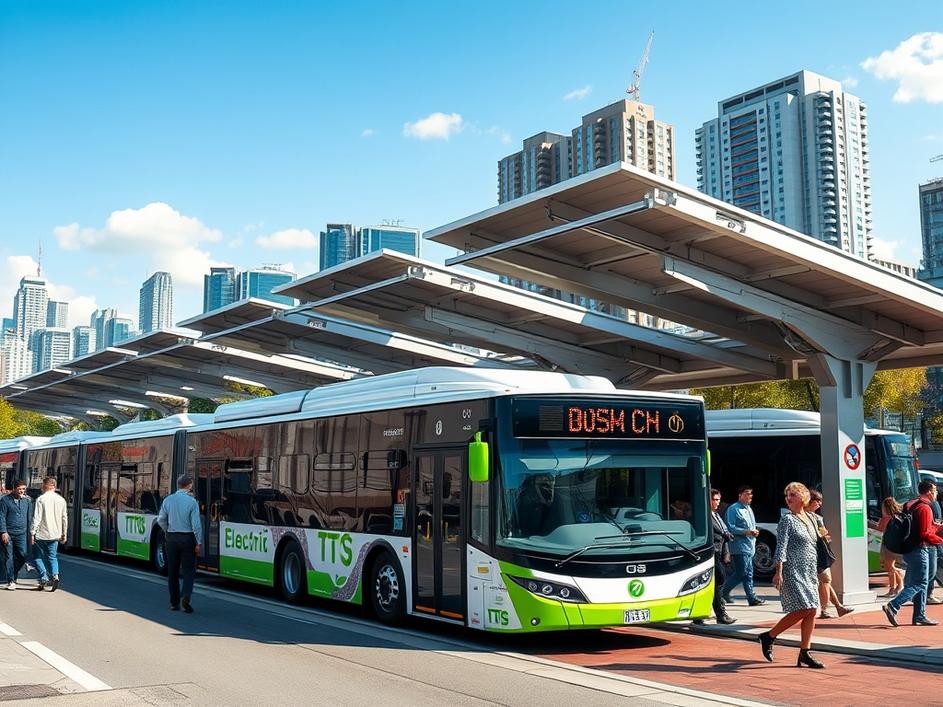
A city council announced a plan to replace a large chunk of its bus fleet with electric models and to build a network of charging hubs across town. It sounds big, but the first details matter. The plan lays out a path to cut emissions, tidy up the asphalt, and give riders a steadier ride. It’s a start, not a finish. For anyone who rides the bus, this could change daily life in small but real ways. If everything goes to plan, you’ll notice quieter streets, faster trips in heavy traffic, and a city that talks less about fumes and more about movement.
What the plan promises
The core idea is simple: swap diesel buses for electric ones, build fast charging nodes near busy corridors, and upgrade the grid to handle new demand. Officials say the timing will be staggered, with a few routes converted in the next year and the rest over the following two. They project cleaner air, fewer fuel spikes, and lower operating costs over time. There’s a hope the city can attract green jobs, from bus maintenance to battery recycling. But promises on paper often bump into reality on streets, so many are watching how long it takes to see real changes in air quality and reliability.
The cost question
Money is where many plans stumble. The city is juggling funds from state programs, private partners, and its own budget. The upfront price tag is big, and the savings come later, not tomorrow. Critics worry about debt and whether the city has a cushion if costs rise. Supporters say the long-term savings on fuel and maintenance will balance the books. They remind people that infrastructure tends to pay off over time, and a cleaner setup can attract businesses and residents who want a better quality of life. Still, patience is key, and clear milestones are essential to keep trust intact.
People speak from the ground
Drivers wonder how the change will affect routes and schedules, while riders hope for a smoother experience. Small businesses near transit corridors cheer the potential uptick in foot traffic, but they fear disruption during the transition. City workers talk about training and safety, making sure the switch doesn’t leave crews in the lurch. A few skeptical voices warn not to count chickens before they hatch. They want transparent reporting on outages, charging delays, and the true costs of upkeep. The plan’s success will hinge on how well leaders listen to these everyday voices and adjust along the way.
What it says about leadership
This isn’t just about buses. It tests whether a city can plan for resilience in the face of rising energy prices and climate pressures. It asks leaders to balance speed with care, ambition with prudence. The push toward electrification signals a willingness to align transportation with a greener future, but it also highlights the need for honest communication. If people feel blindsided by hidden costs or delayed timelines, the goodwill quickly erodes. The moment invites tougher questions: Are we building a system that lasts, or a trend that looks good on paper?
A cautious, hopeful note
The story isn’t finished, and that’s exactly the point. The real proof will be in results: cleaner air, reliable buses, and a budget that doesn’t break the city’s back. As observers, we should celebrate progress while demanding accountability. The plan should include clear metrics, open data, and a plan for possible setbacks. If the city learns from early hiccups and stays true to its stated goals, this could become more than a headline—it could change daily life for thousands of people for years to come. That kind of impact takes time, but it starts now.






Comments are closed