

We are a digital agency helping businesses develop immersive, engaging, and user-focused web, app, and software solutions.
2310 Mira Vista Ave
Montrose, CA 91020

2500+ reviews based on client feedback
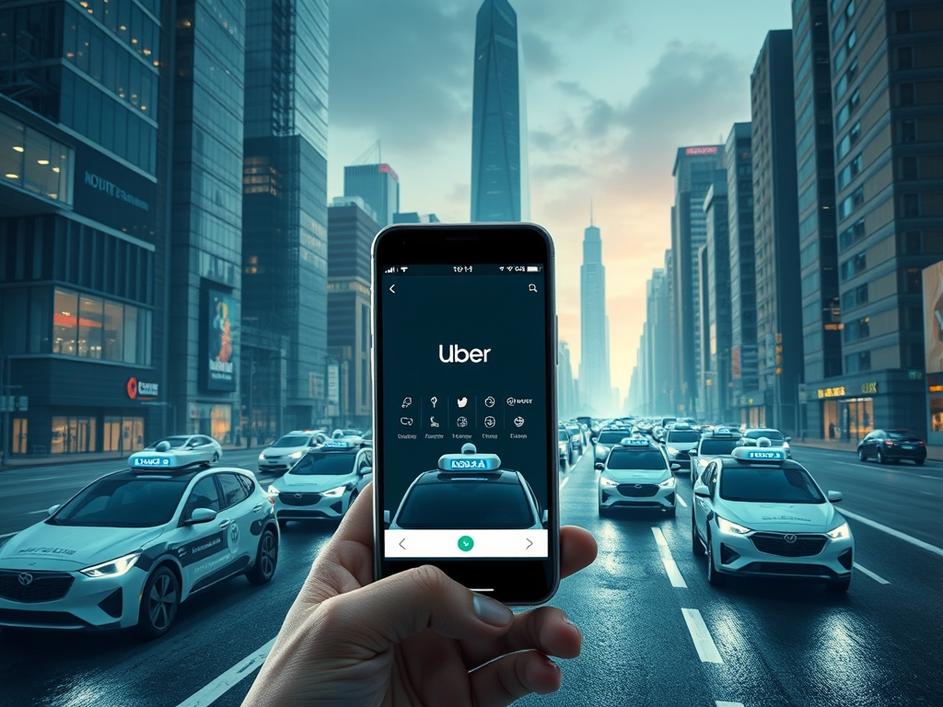
Uber, the company that reshaped how we get around, is making some interesting moves in the world of self-driving cars. Instead of trying to build everything themselves, they’re partnering with practically everyone who’s anyone in the robotaxi game. We’re talking about a dozen deals with companies like Waymo, Motional, and even electric vehicle maker Rivian. It seems like Uber is placing a lot of small bets, hoping that one (or more) of them pays off big. But what’s the real strategy here?
On the surface, Uber’s approach seems pretty sensible. The robotaxi industry is still in its early stages. Nobody knows for sure which technology will win out, or even if robotaxis will become a mainstream thing. By partnering with multiple players, Uber avoids putting all its eggs in one basket. If Waymo’s tech proves to be the best, Uber is ready. If Motional comes out on top, Uber is still in the game. It’s a classic diversification strategy, minimizing risk in a very uncertain market. This allows Uber to keep a foot in the future of transportation without sinking billions into developing their own self-driving system from scratch. But does that mean success is guaranteed?
One potential reason behind Uber’s broad partnership strategy is to prevent a single company from dominating the robotaxi market. Imagine a scenario where only one company controls all the self-driving cars on the road. They could set prices however they want, and riders would have no other choice. By working with multiple robotaxi providers, Uber is essentially creating a competitive landscape. More competition should translate to better prices and service for riders, and it prevents any one company from gaining too much power. It is a defensive strategy that could pay dividends in the long run. Furthermore, such agreements may allow Uber to offer more diverse options to consumers. Do you want the cheapest ride available? Do you want a premium ride from a luxury manufacture? Uber is positioning itself to be the marketplace that provides those options.
However, this approach isn’t without its challenges. Managing so many partnerships can be complex. Each robotaxi company has its own technology, its own operating procedures, and its own goals. Integrating all of these different systems into the Uber app could be a logistical nightmare. There are also questions about branding. Will riders even care which company’s robotaxi they’re riding in? Or will they just see it as “an Uber”? And what happens if two of Uber’s partners end up competing directly with each other? This could lead to conflicts and create friction within Uber’s network.
Ultimately, the success of Uber’s robotaxi strategy will depend on the rider experience. If the self-driving cars are safe, reliable, and affordable, people will use them. But if the rides are glitchy, expensive, or make passengers feel unsafe, the whole thing could fall apart. Uber needs to ensure that its robotaxi partners are providing a high-quality service. This means rigorous testing, ongoing maintenance, and a commitment to safety above all else. It also means being transparent with riders about the limitations of the technology. People need to understand that robotaxis are still a work in progress, and that there may be occasional hiccups. Managing expectations will be crucial to building trust and encouraging adoption.
Uber’s robotaxi gamble is a bold move, and it reflects the uncertainty surrounding the future of transportation. By spreading its bets across multiple partners, Uber is hedging against the risk of any single technology failing. They are also positioning themselves to prevent a robotaxi monopoly. Whether this strategy will pay off remains to be seen. A lot depends on how well Uber can manage its complex network of partnerships, and on whether robotaxis can deliver a safe, reliable, and affordable experience for riders. One thing is certain: the next few years will be pivotal in determining the future of transportation, and Uber intends to be a major player. It’s a calculated risk, and only time will tell if it’s a winning one. But with the potential rewards so high, it’s a risk Uber clearly feels it needs to take.


Comments are closed