

We are a digital agency helping businesses develop immersive, engaging, and user-focused web, app, and software solutions.
2310 Mira Vista Ave
Montrose, CA 91020

2500+ reviews based on client feedback
What's Included?
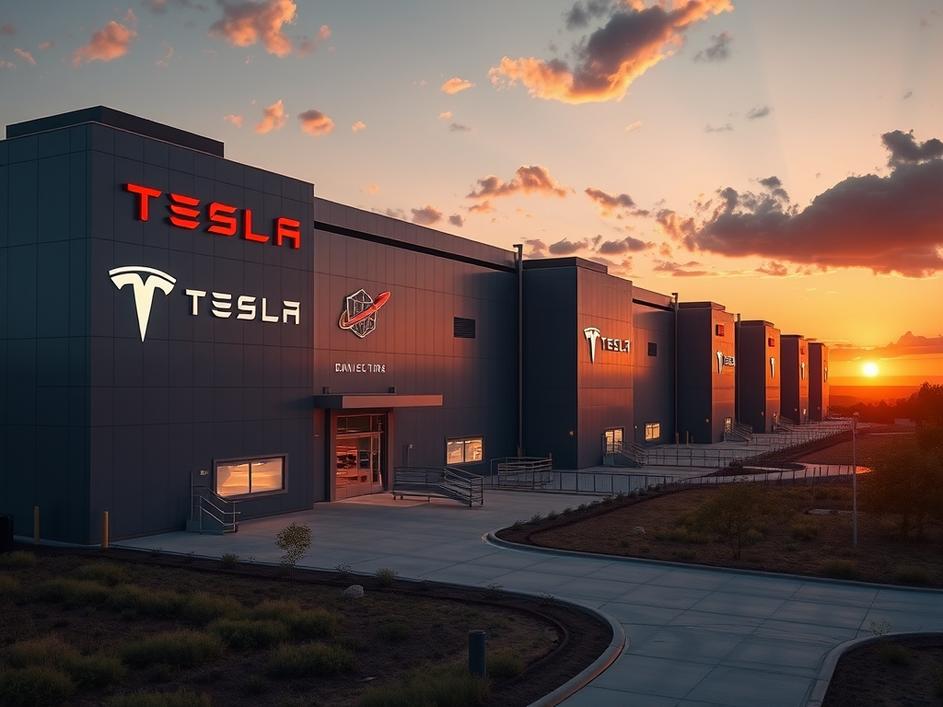
ToggleElon Musk, never one to shy away from ambitious projects, has announced plans to kick off his Terafab project in Texas. This isn’t just another factory; it’s a concerted effort to bring chip manufacturing closer to home for his trio of tech giants: Tesla, SpaceX, and xAI. The announcement, made just recently, signals a significant shift in strategy, aiming to reduce reliance on overseas suppliers and bolster domestic production capabilities. It’s a bold move that could reshape the landscape of the semiconductor industry and further cement Texas as a growing tech hub.
So, why Texas? Beyond Musk’s existing presence with Tesla’s Gigafactory and SpaceX’s launch facilities, the state offers a business-friendly environment, lower taxes, and a growing pool of skilled workers. This combination makes it an attractive location for companies looking to expand or relocate. And, of course, there’s the “Musk factor” – his personal affinity for the state and his vision for its future as a technological powerhouse. He’s not just building factories; he’s building an ecosystem.
Details about the Terafab remain somewhat scarce. Musk has been characteristically tight-lipped about the specifics of the project, leaving industry analysts to speculate. What we do know is that the facility will focus on producing chips tailored to the unique needs of Tesla’s electric vehicles, SpaceX’s spacefaring hardware, and xAI’s artificial intelligence endeavors. This suggests a diverse range of chip designs and manufacturing processes, potentially including both high-performance computing chips and specialized sensors. One open question is how much of the process is going to be truly end to end versus reliance on 3rd parties for aspects of the fab.
For Tesla, this means greater control over its supply chain and the ability to optimize chip designs for its electric vehicles and autonomous driving systems. Reducing reliance on external suppliers, particularly in the current climate of global chip shortages, could significantly improve production efficiency and reduce costs. SpaceX could benefit from custom-designed chips for its satellites and spacecraft, enhancing performance and reliability. And for xAI, the Terafab could provide the specialized hardware needed to power its advanced AI models and research projects. It’s an ecosystem play allowing optimizations from requirements through production.
The Terafab project has implications that extend beyond the individual companies involved. By bringing chip manufacturing back to the United States, Musk is contributing to national security efforts to reduce reliance on foreign sources for critical technologies. This is particularly important in light of growing geopolitical tensions and the increasing importance of semiconductors in various industries. Furthermore, the project could spur innovation in chip design and manufacturing, creating new jobs and strengthening the U.S.’s competitive edge in the global technology arena. This effort has a chance of creating an ecosystem of suppliers and engineers that feed each other and other similar initiatives.
Despite the potential benefits, the Terafab project faces significant challenges. Building and operating a chip manufacturing facility is an incredibly complex and capital-intensive undertaking. Securing the necessary funding, attracting and retaining skilled engineers and technicians, and competing with established players in the semiconductor industry will be major hurdles. Furthermore, the project will need to navigate regulatory hurdles and address environmental concerns related to water usage and waste disposal. The investment required is massive, and the time to realize benefits is lengthy. This requires a long term vision and the ability to weather downturns.
Musk’s Terafab initiative is part of a broader trend of reshoring manufacturing to the United States. Driven by concerns about supply chain vulnerabilities, national security, and job creation, policymakers and business leaders are increasingly focused on bringing production back home. This trend could have a profound impact on the U.S. economy, creating new opportunities for growth and innovation. However, it also requires addressing challenges related to labor costs, infrastructure, and regulatory burdens. The US incentives from the current administration are likely playing a key role in moving this project forward.
The Terafab project is more than just a factory; it’s a statement of intent. It signals Musk’s belief in the future of American manufacturing and his commitment to building a vertically integrated technology ecosystem. While the challenges are significant, the potential rewards are even greater. If successful, the Terafab could pave the way for a new era of domestic chip production, strengthening the U.S.’s position as a global leader in technology and innovation. Whether it meets his stated goals or not, it is certain to make waves in the industry and beyond.

Comments are closed