A City Bets on Space for People
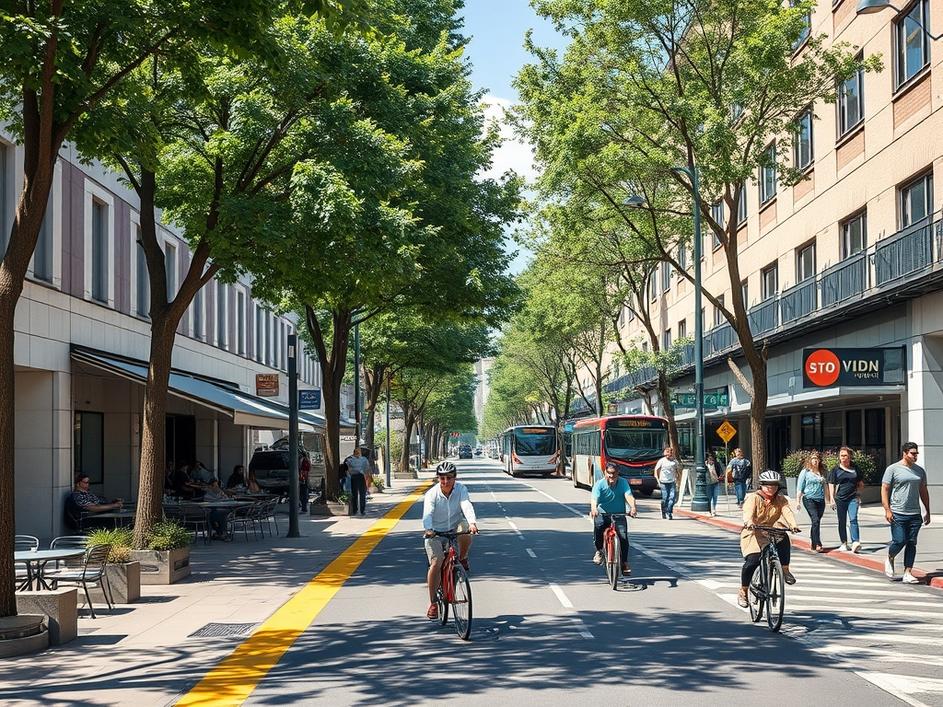
The city announced a bold plan. They want to reclaim a big block of streets for pedestrians and cyclists. Cars would move to the edges. Some areas would close to private traffic for a year. It’s an experiment, not a punishment. People have mixed feelings. Families like the safety and air quality. Shop owners worry about deliveries. The plan is simple on paper, but the reality is messier. More room for walking. Wider bike lanes. More outdoor seating. It won’t fix every problem. Still, it is a clear statement: streets belong to people first, not only cars.
What the Plan Calls an Experiment
Officials call it a living lab. They will track air quality, noise, travel times, and how people choose buses over cars. They want cleaner options. In the short term, detours will happen and commutes may be longer for some. Some stores may see changes in deliveries and hours. In the long run, the hope is a calmer city with more people using transit. The test asks people to rethink daily habits. When you walk a block with fewer car lanes, you notice shopfronts, trees, and neighbors stopping to chat. The numbers matter, but so does the mood. A city that slows down can still have purpose.
Public Reaction and Real-Life Effects
Reaction came in two tones: relief and worry. People who walk found it easier to breathe. Parents felt safer letting kids ride. Restaurants used the outdoor space. But some merchants worry about deliveries and late customers. Time is money. A narrow street can feel closed off. The city promised exceptions for essentials and a way to fix problems. The real test is trust. Can a shared space work in a place that loves speed? The answer will come from talks, quick fixes, and steady tweaks.
Cities as Living Labs
Urban planners talk about cities as labs, and this plan makes that idea real. The street becomes a place to test ideas. Wider sidewalks may help shops. If buses get priority, people move faster. The best results come from listening. Residents, shop owners, and frontline workers should have a seat at the table. This is not a single policy. It is a process. It needs clear goals, easy rules, and a plan to review. The city bets on small changes rather than one big move.
A Personal Take: Will This Last?
My sense is this can work if it stays flexible. The moment we lock in a plan, we may lose the chance to adjust. The test should end with real numbers and real stories. If people value the street for what it can be—cafes, kids learning to ride, neighbors chatting—that’s a win. The city must invest in fast public transit, slower speeds, and reliable deliveries. It can’t fix all issues at once. It should be a nudge toward a more human place where you can walk to work, grab a bite, and watch a sunset without traffic worries.
Conclusion: Streets as Shared Space
Streets carry more than cars. They carry daily life, chance encounters, and the rhythm of a neighborhood. This plan is imperfect but useful. It asks a simple question: what if we make space for people first? The answer won’t come all at once. It needs patience to test, learn, and adjust. If the trial proves its worth, we could see a lasting shift toward streets that invite walking, biking, and community. If it fails, we will learn and do better next time. Either way, the conversation matters more than a verdict today.






Comments are closed