

We are a digital agency helping businesses develop immersive, engaging, and user-focused web, app, and software solutions.
2310 Mira Vista Ave
Montrose, CA 91020

2500+ reviews based on client feedback
What's Included?
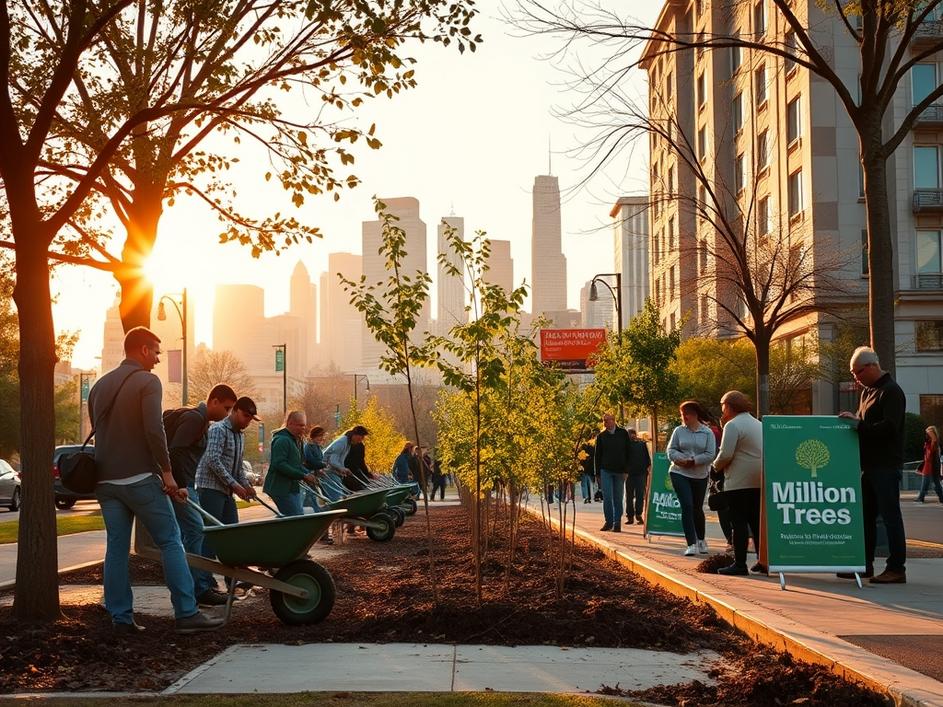
ToggleIn a move that’s getting real attention, the city unveiled a plan to plant one million trees over the next five years. Officials say the aim is simple: shade streets, clean the air, and cool neighborhoods that feel the heat first. The plan isn’t a quick fix. Trees need time to grow, and to become a real part of daily life they must survive droughts, storms, and busy sidewalks. Still, the scale sends a signal. City leaders are choosing nature as a core tool for resilience, not just a nice add-on. If the project lands well, it could become a blueprint others copy.
The idea isn’t just pretty green space. Trees can drop street temperatures, which means less energy use for cooling and fewer heat-related health issues. They add shade for bus stops, playgrounds, and clinics, making sidewalks feel safer and more inviting. Beyond comfort, trees enrich local ecosystems, hosting birds and pollinators that cities often miss. A thriving canopy can spur small walks, weekend markets, and a slower pace in busy blocks. If planners couple saplings with thoughtful design, the city could see gains that go beyond a single season.
Leaders promise the plan will reach across the city and lift up communities that have carried the brunt of heat and pollution. There will be partnerships with schools, local nonprofits, and neighborhood groups. Volunteers will plant and care for young trees, and residents can suggest spots that feel high-priority. Real access means jobs too, so the effort will need arborists, crews, and training programs for locals. If the plan keeps participation broad, it won’t feel like a top-down move. It could become a shared project that people take pride in rather than a grant a city dumps in a district.
Funding will mix city dollars with state grants and support from private partners. Officials say the budget will be transparent, with quarterly updates on what’s spent and what’s growing. The price tag matters, and so does upkeep. Saplings require watering, pruning, and protection from pests. Long-term care is as important as the first planting. Some worry about keeping the money flowing after the initial push. The plan will work only if the city keeps funding and the community keeps showing up for maintenance as the trees mature.
Planting a forest in an urban setting comes with real hurdles. Water access during dry spells is a constant issue. Not every sapling survives its first years, leaving gaps that undermine trust in the plan. Soil conditions, the right mix of tree species, and roots that won’t crack sidewalks are technical puzzles reminding us this is not simple. Pests and diseases ride alongside new plantings, and social shifts can change how spaces are used. The city needs a flexible, responsive plan that can adjust when problems pop up, not a rigid timetable that breaks under pressure.
Progress should be more than counting trees. The city should track shade coverage, tree survival, and cooling effects across neighborhoods. Clear data helps decide where to plant next and how to water smarter. A public map, yearly reports, and open dashboards keep people in the loop. Diversity in tree species matters too, so the canopy isn’t wiped out by a single pest or disease. When the numbers are transparent, residents can see real changes and hold leaders to account, which makes the plan stronger over time.
In the end, planting a million trees is a long-term bet on healthier days for people and wildlife. It asks everyone to share the space and the work. If the city sticks to funding, care, and honest updates, the project could reshape how a city feels in late summer and beyond. It won’t fix every climate problem, but it can lower heat, brighten corners, and bring neighbors together. The real win would be noticing cooler evenings, more birds, and a sense that the city is listening to what nature has to teach. That kind of steady progress would count as a true, lasting victory.



Comments are closed