

We are a digital agency helping businesses develop immersive, engaging, and user-focused web, app, and software solutions.
2310 Mira Vista Ave
Montrose, CA 91020

2500+ reviews based on client feedback
What's Included?
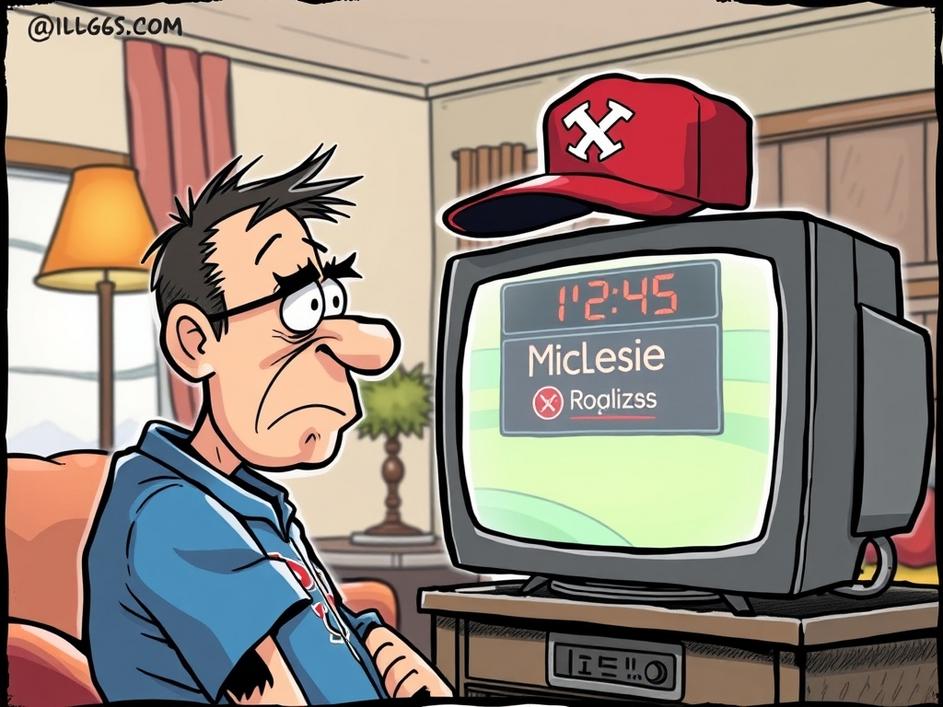
ToggleNetflix officially entered the world of live sports this week, and baseball fans were eager to see how the streaming service would handle America’s pastime. The inaugural broadcast featured a high-profile matchup, the New York Yankees, promising a large audience and plenty of scrutiny. While the picture quality and overall presentation were solid, one particular element of the broadcast quickly became a point of contention: the on-screen score bug.
The score bug, for those unfamiliar, is the graphic that displays the current score, inning, and other vital game information. It’s a staple of any sports broadcast, providing viewers with a constant reference point without obstructing the action on the field. However, Netflix’s version of the score bug was met with almost immediate criticism, with many viewers taking to social media to voice their displeasure. The primary complaint? It was simply too small. This, paired with some color choices that reduced contrast against different backgrounds on screen, caused an uproar online as people struggled to keep up with the game they were watching.
Twitter, as always, was the epicenter of the backlash. Fans didn’t hold back, using words like “tiny,” “unreadable,” and even “a joke” to describe the score bug. Some users with visual impairments noted how difficult it was to follow the game as a result. Memes quickly popped up, comparing the score bug to microscopic organisms and suggesting viewers would need a telescope to read it. The hashtag #ScoreBugGate even started trending, showing just how widespread the frustration had become. Several prominent sports commentators and analysts weighed in, agreeing that the size and design of the score bug were significant drawbacks to the viewing experience. One baseball fan wrote: “I can’t believe how small the score is, I have a hard time reading the score and I have 20/20 vision”.
While the size of the score bug was the main issue, some viewers also pointed out other potential design flaws. The font choice, while modern and sleek, might not have been the most legible option. The color scheme, a combination of white text on a translucent background, appeared to blend in with certain on-screen elements, further reducing its visibility. Some suggested that a darker, more opaque background would have improved contrast and made the score bug easier to read. Others suggested an outline around the numbers and letters would make it pop more effectively. It will be interesting to see if Netflix listens to this feedback and implements changes for future broadcasts. Most likely, they are aware of it now and want to make amends.
As of right now, Netflix hasn’t released an official statement about the score bug controversy. However, considering the volume of complaints and the negative press, it’s highly likely that they’re taking the feedback seriously. Netflix has a reputation for being responsive to user concerns, and they’ve made adjustments to their interface and streaming quality in the past based on customer input. It’s reasonable to expect that they’ll tweak the score bug design in time for their next MLB broadcast. The question is, how much will they change it? Will they simply increase the size, or will they address the other design flaws that viewers have pointed out?
The score bug issue highlights the challenges that streaming services face when entering the world of live sports. Unlike traditional television broadcasts, streaming platforms have to cater to a wide range of devices and screen sizes. What looks perfectly fine on a large television screen might be barely visible on a smartphone or tablet. This means that streaming services need to pay extra attention to the details of their on-screen graphics, ensuring that they’re legible and accessible to all viewers. The production team may need to offer consumers options when watching the games, such as score bug size, font and color, similar to subtitle options when watching shows and movies. This could be a valuable offering to differentiate themselves from cable companies.
Netflix’s MLB debut, despite the score bug snafu, offers a glimpse into the future of sports broadcasting. Streaming services have the potential to revolutionize the way we watch sports, offering more personalized and interactive experiences. However, they also need to learn from the mistakes of the past and pay attention to the details that matter most to viewers. The score bug might seem like a minor issue, but it’s a reminder that even the smallest details can have a big impact on the overall viewing experience. As streaming services continue to expand their sports coverage, they’ll need to find a balance between innovation and tradition, ensuring that they’re delivering a product that’s both visually appealing and functionally sound. It is certain that this will not be the last mistake as streaming services begin to acquire broadcast rights for major sports. But with the right amount of ingenuity, sports fans will be well served by the additional viewing options.
The “ScoreBugGate” incident serves as a valuable lesson for Netflix and other streaming services venturing into live sports. It demonstrates the importance of user experience and the power of social media. In today’s world, viewers are quick to voice their opinions, and a single design flaw can quickly snowball into a major public relations issue. By listening to their audience and making the necessary adjustments, Netflix can turn this negative experience into a positive one, demonstrating their commitment to delivering a high-quality sports viewing experience. The ball is now in their court.


Comments are closed