

We are a digital agency helping businesses develop immersive, engaging, and user-focused web, app, and software solutions.
2310 Mira Vista Ave
Montrose, CA 91020

2500+ reviews based on client feedback
What's Included?
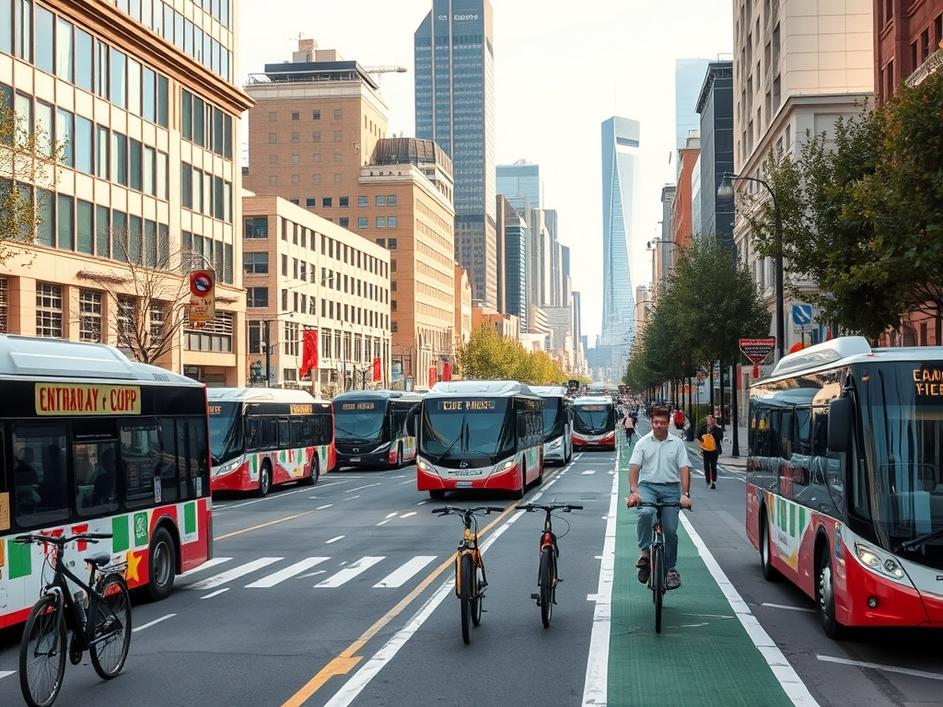
ToggleA major city rolled out a bold plan to rethink how people move and heat their lives. By 2030, new rules will curb the sale of gasoline cars inside the city limits, and the municipal fleet will switch to electric power. The project also doubles down on transit, adding hundreds of electric buses, widening bike lanes, and designating a car-free zone downtown on weekends. A faster charger network and a small grant program to help households switch to cleaner options are part of the package. It isn’t just a policy announcement; it’s a clear signal that the city wants cleaner air, fewer traffic jams, and a better way to live day to day. The town aims to cut pollution and traffic by using practical, real-world steps that touch everyday routines.
This move isn’t only about one city. It sends a message to other places watching how bold steps play out in real life. When a big urban area tests cleaner transit and energy, it nudges suppliers, service workers, and local businesses to adapt. More riders can come from people who used to commute by car but want to switch to bikes or buses. The plan also asks residents to adjust habits—planning trips, walking more, and accepting some construction. The real test is simple: will it fit into daily life without wrecking convenience or the local economy? The promise sits next to hard questions about cost, reliability, and fairness.
The budget for charging networks, grid upgrades, and a larger electric bus fleet is sizable. City leaders expect federal funds, grants, and long-term savings from fuel costs to cover a good chunk of it. Still, big projects come with big risks. Who pays if the grid falters or energy prices spike? How quickly can neighborhoods switch to cleaner options without pushing up rents or forcing residents to juggle more bills? And what happens if supply chains slow down or tech costs don’t drop as fast as hoped? The plan will demand steady budgeting, transparent reporting, and a readiness to adjust as problems surface.
A plan this big touches everyday life for families, renters, and workers. The city promises affordable transit passes, retraining programs for jobs tied to a cleaner economy, and easier ways to install home charging for multi-family buildings. It also has to think about where charging happens and who pays for it. If the chargers cluster in wealthier areas or if tolls hit hardest, the policy trips over itself. So the implementation needs clear milestones, fair access, and a clear plan to prevent new gaps between different parts of the city. The goal should be cleaner air for all, not just a few.
Big plans invite pushback. Some officials question the timeline; others worry it could slow business. If momentum stalls, the public may lose trust, and the project could weaken. The city will need dependable funding, honest updates, and a simple fallback plan for tough years. The strength of the effort lies in the work behind the scenes—building partnerships with schools, hospitals, and local artisans who will make this shift real. Without that ground-level effort, headlines alone won’t move people forward.
There is room for real hope here. When a city takes a stand, others notice. The practical steps matter most: expand bus routes, finish safe bike corridors, speed up permits for home charging, and train workers for sustainable jobs. People can push for clear measurements—cleaner air, shorter commutes, safer streets. It won’t be flawless or instant, but it can set a path that others follow. The key is staying grounded: a clear plan, listening to critics, and making changes that help ordinary people live better, not just look green on paper.



Comments are closed