

We are a digital agency helping businesses develop immersive, engaging, and user-focused web, app, and software solutions.
2310 Mira Vista Ave
Montrose, CA 91020

2500+ reviews based on client feedback
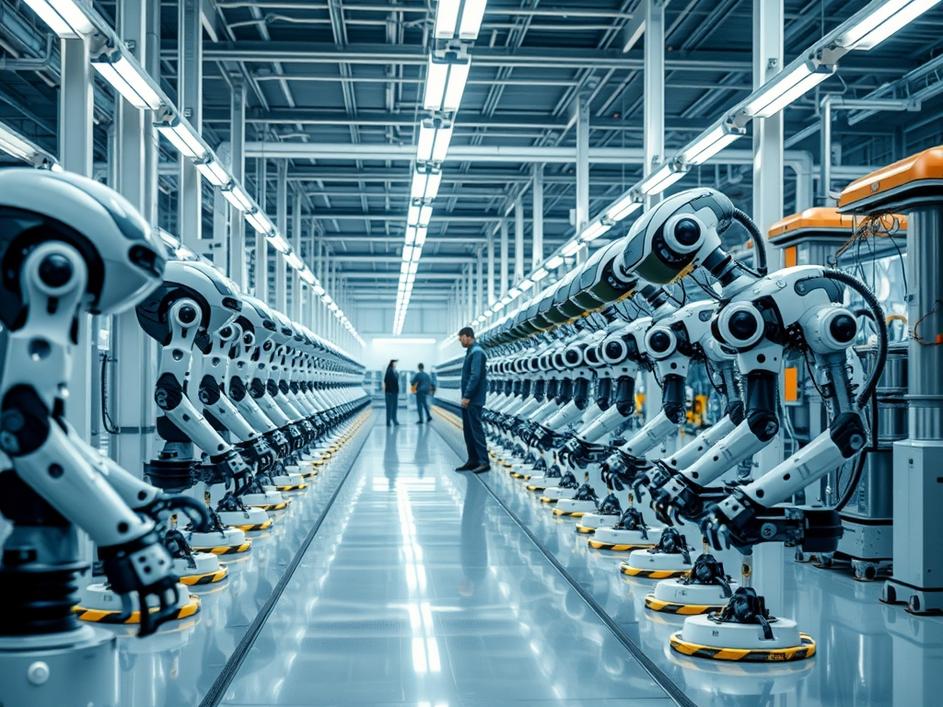
Hannover Messe, the world’s leading industrial technology trade fair, is always a great place to see where manufacturing is headed. In 2026, all eyes will be on Hikvision as they prepare to showcase their vision for the future of industrial safety and smart manufacturing. The company plans to unveil what they’re calling a “multidimensional AIoT ecosystem.” This is a fancy way of saying they’re bringing together artificial intelligence, the Internet of Things, and a whole lot of sensors and cameras to make factories safer, more efficient, and smarter. But what does this really mean for the average factory owner, worker, or even the consumer?
Let’s break down Hikvision’s big claim. AIoT stands for Artificial Intelligence of Things. It’s not just about having smart devices; it’s about connecting them in a way that they can learn and adapt. Imagine a factory where every machine, every worker, and every corner is monitored by intelligent sensors and cameras. These devices are constantly collecting data, which is then processed by AI algorithms. This AI can then identify potential hazards, predict equipment failures, and optimize production processes in real-time. The “multidimensional” aspect likely refers to the range of data these systems can capture – not just video, but also thermal imaging, sound, and environmental conditions. This gives the AI a much richer understanding of what’s happening in the factory.
One of the biggest promises of this AIoT ecosystem is enhanced safety. Traditional safety measures often rely on reactive responses – investigating accidents after they’ve already happened. Hikvision’s system aims to be proactive. By constantly monitoring worker behavior, equipment performance, and environmental conditions, the AI can identify potential hazards before they lead to accidents. For example, it could detect if a worker is entering a restricted area, if a machine is overheating, or if there’s a buildup of hazardous fumes. It can then send alerts to workers and supervisors, or even automatically shut down equipment to prevent an incident. This kind of preventative safety could drastically reduce workplace accidents and injuries.
Beyond safety, Hikvision’s AIoT ecosystem also promises to revolutionize manufacturing processes. By analyzing vast amounts of data, the AI can identify bottlenecks, inefficiencies, and opportunities for improvement. It can optimize production schedules, predict equipment maintenance needs, and even adjust machine settings in real-time to improve product quality. For example, it could detect that a particular machine is producing slightly flawed products and automatically adjust its settings to compensate. This level of precision and control can lead to significant cost savings, increased production output, and higher-quality products. This can also lead to less downtime for failing machinery as warnings can be sent prior to potential issues.
Of course, any discussion of AI in the workplace raises concerns about job displacement. Will these AIoT systems replace human workers? While it’s true that some tasks may be automated, the more likely scenario is that AI will augment human capabilities. Instead of replacing workers, it will free them from repetitive, dangerous, and tedious tasks, allowing them to focus on more creative, strategic, and fulfilling work. For example, instead of manually inspecting products for defects, workers could focus on developing new products or improving manufacturing processes. The key will be to invest in training and education to prepare workers for the changing demands of the AI-powered workplace. It’s essential to consider the ethical implications of AI and ensure that these technologies are used to benefit both businesses and workers.
Hikvision’s unveiling at Hannover Messe 2026 is just one step in the ongoing evolution of industrial AIoT. As AI algorithms become more sophisticated and sensors become more affordable, we can expect to see even more widespread adoption of these technologies in factories and other industrial settings. The future of manufacturing is likely to be one where humans and machines work together seamlessly, leveraging the strengths of each to create safer, more efficient, and more sustainable industries. This collaboration will be critical for driving innovation and economic growth in the years to come.
If Hikvision delivers on the promise of their “multidimensional AIoT ecosystem,” it could mark a turning point in how we approach industrial safety and manufacturing. A future where factories are proactive rather than reactive. The only question is whether the industry will be ready to embrace these technologies and the cultural shifts needed for this tech to flourish. The road to fully integrated AIoT is a long one, but the journey begins with innovative ideas and a push to make the factories of tomorrow, safer and smarter than those of today. Hannover Messe 2026 could be the beginning of a revolution.

Comments are closed