

We are a digital agency helping businesses develop immersive, engaging, and user-focused web, app, and software solutions.
2310 Mira Vista Ave
Montrose, CA 91020

2500+ reviews based on client feedback
What's Included?
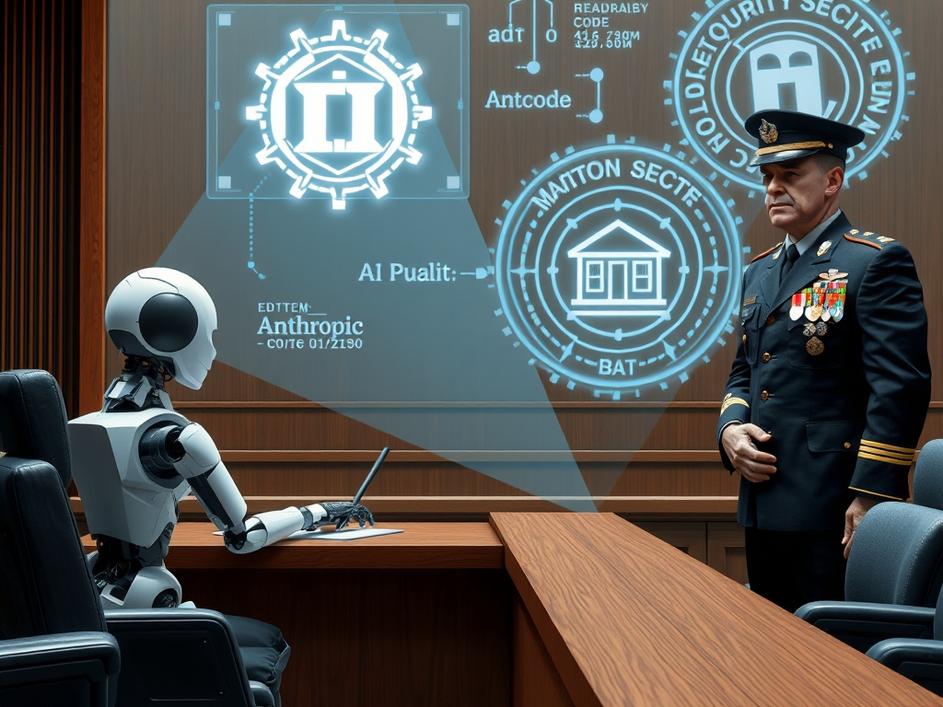
ToggleIn a surprising turn of events, a judge has temporarily blocked the Pentagon from designating Anthropic, a leading artificial intelligence company, as a “supply chain risk.” This move throws a wrench into the Department of Defense’s plans and raises important questions about how the government assesses and regulates the rapidly evolving AI industry. The legal battle is just beginning, but this initial ruling gives Anthropic a significant advantage.
So, what does it mean to be labeled a “supply chain risk” by the Pentagon? Essentially, it would make it much harder for Anthropic to secure government contracts. The designation suggests the company’s technology or operations could be vulnerable to foreign influence or compromise national security. This could be due to concerns about the origin of the company’s data, the security of its algorithms, or potential ties to adversarial nations. For a company like Anthropic, which relies heavily on government partnerships, such a label could be devastating.
Why was the Pentagon concerned about Anthropic in the first place? While the exact reasons remain somewhat unclear from public sources, several factors likely contributed to the decision. The AI industry is increasingly global, and companies often rely on international talent and data. This interconnectedness can create vulnerabilities that foreign actors could exploit. Furthermore, the powerful capabilities of AI, particularly in areas like natural language processing and machine learning, make it a potential target for malicious use. The Pentagon likely wanted to ensure that Anthropic’s technology wouldn’t fall into the wrong hands or be used to undermine national security interests. It’s reasonable for national security to be proactive, the question becomes whether this action was justified.
Anthropic is fighting back, arguing that the “supply chain risk” designation is unwarranted and unfairly harms its business. The company likely claims to have robust security measures in place to protect its technology and data. It might also argue that the Pentagon’s assessment is based on inaccurate or incomplete information. Furthermore, Anthropic could contend that the designation violates due process rights, as it could significantly damage the company’s reputation and ability to compete for government contracts without a fair opportunity to defend itself. This is not just about one company; it is about the future of innovation in the US.
This legal battle has broader implications for the AI industry as a whole. As AI becomes more powerful and pervasive, governments around the world are grappling with how to regulate it. Striking the right balance between fostering innovation and protecting national security is a major challenge. Overly strict regulations could stifle the development of beneficial AI technologies, while lax oversight could create unacceptable risks. The Anthropic case highlights the need for clear and transparent guidelines for assessing the security risks associated with AI companies. If the Pentagon can just arbitrarily label companies then no one would be safe.
What happens next? The judge’s temporary block provides Anthropic with some breathing room, but the legal fight is far from over. The Pentagon will likely appeal the ruling or present new evidence to support its designation. The court will then have to weigh the government’s national security concerns against Anthropic’s right to due process and its interest in competing for government contracts. The outcome of this case could set an important precedent for how the government regulates AI companies in the future. We need to make sure we get it right.
This situation reveals a complex interplay of technological advancement, national security concerns, and legal frameworks. The Pentagon’s attempt to label Anthropic as a supply chain risk underscores the government’s growing awareness of the potential vulnerabilities associated with AI technology. However, the judge’s temporary block highlights the importance of due process and the need for a fair and transparent assessment process. It’s a delicate balance that requires careful consideration of all the factors involved. The stakes are incredibly high for both parties.
The Anthropic case serves as a crucial reminder that we must navigate the rapidly evolving AI landscape responsibly. We need to foster innovation while simultaneously safeguarding national security. This requires a collaborative effort involving government, industry, and the legal community. Clear guidelines, transparent processes, and a commitment to due process are essential to ensure that AI technologies are developed and deployed in a safe and ethical manner. This is not just about protecting our borders; it is about protecting our future.



Comments are closed