

We are a digital agency helping businesses develop immersive, engaging, and user-focused web, app, and software solutions.
2310 Mira Vista Ave
Montrose, CA 91020

2500+ reviews based on client feedback
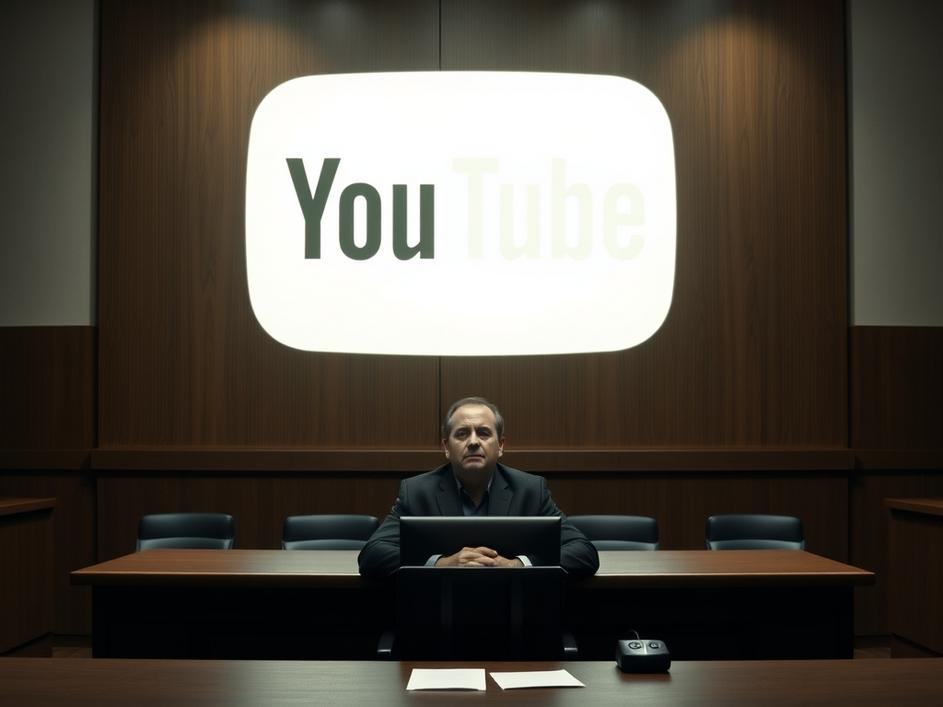
It’s been a tough week for Alphabet (GOOGL), the parent company of Google and YouTube. Shares took a nosedive, dropping nearly 9% after a Los Angeles court delivered a landmark verdict: YouTube was found liable for contributing to a user’s addiction to the platform. This isn’t just a small bump in the road; it’s a potential earthquake that could reshape the future of social media and how these giants are held accountable for their platforms’ impact on users.
While the specifics of the case haven’t been widely publicized (likely due to legal maneuvering), the core argument revolved around YouTube’s algorithms and design, which were allegedly engineered to maximize user engagement, even to the detriment of their well-being. The plaintiff argued that the endless stream of recommended videos, autoplay features, and notification systems created a feedback loop that was incredibly difficult to break, leading to addiction-like behavior and negative consequences in their life.
This verdict is significant for several reasons. First, it establishes a legal precedent that could open the floodgates for similar lawsuits against YouTube and other social media platforms. If courts continue to side with plaintiffs arguing addiction and harm, companies like Meta (Facebook, Instagram) and TikTok could find themselves facing a barrage of legal challenges. Second, it puts immense pressure on these companies to proactively address the addictive aspects of their platforms. They can no longer claim ignorance or simply hide behind the argument that users are responsible for their own choices. The court has essentially said, “You built this machine, you are responsible for its effects.”
The stock market’s reaction is a clear indication of the severity of the situation. Investors are spooked, and rightfully so. A single lawsuit is manageable, but the possibility of widespread litigation and increased regulation creates a climate of uncertainty. Furthermore, if YouTube is forced to make significant changes to its platform to reduce addictiveness – for instance, by limiting autoplay, reducing recommended videos, or altering notification schedules – it could negatively impact user engagement and, ultimately, advertising revenue, the lifeblood of Alphabet’s empire.
So, what’s next for Alphabet and YouTube? The company will almost certainly appeal the verdict, but even if they win, the damage is done. The spotlight is now firmly on their practices, and public scrutiny will only intensify. They have two paths they can take. They can continue to fight these lawsuits tooth and nail, clinging to the status quo and hoping to weather the storm. Or, they can take a proactive approach, acknowledging the potential for harm and making genuine efforts to create a healthier, more responsible platform. This might involve investing in research on the psychological effects of their algorithms, developing tools to help users manage their time on the platform, and implementing stricter guidelines for content recommendations.
This case isn’t just about YouTube; it’s about the future of social media itself. We are finally starting to have a serious conversation about the impact these platforms have on our mental health, our attention spans, and our society as a whole. For years, social media companies have operated with relative impunity, prioritizing growth and profit over user well-being. This verdict suggests that those days are coming to an end. Governments around the world are already considering stricter regulations on social media, and this case will only accelerate that process.
Ultimately, the challenge for Alphabet and other social media giants is a moral one. They have created incredibly powerful tools that have the potential to connect people, educate, and entertain. But they also have the potential to addict, distract, and divide. The question is, will they choose to use these tools responsibly, or will they continue to prioritize profits above all else? The future of social media, and perhaps even the future of our society, depends on the answer.
And it’s not just up to the companies themselves. As users, we also have a responsibility to be mindful of our own consumption habits and to demand better from the platforms we use. We can support organizations that are advocating for greater transparency and accountability, and we can make our voices heard by contacting our elected officials and urging them to take action. The power to change social media lies not only in the hands of the tech giants but also in the hands of the billions of people who use these platforms every day.



Comments are closed