

We are a digital agency helping businesses develop immersive, engaging, and user-focused web, app, and software solutions.
2310 Mira Vista Ave
Montrose, CA 91020

2500+ reviews based on client feedback
What's Included?
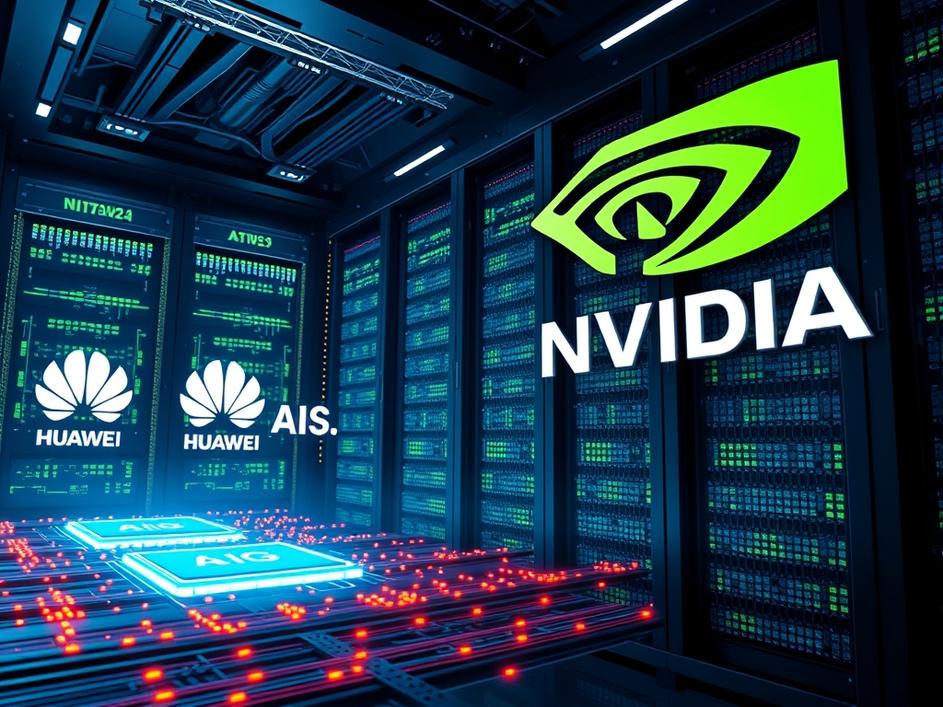
ToggleFor years, Nvidia has been the undisputed king of AI chips, powering everything from data centers to self-driving cars. But now, a new contender is entering the arena: Huawei. News has emerged that Huawei is developing a new AI chip aimed squarely at competing with Nvidia’s offerings. This is a significant development, especially given the current geopolitical landscape and the ongoing chip shortage.
So, why is this such a big deal? Well, for starters, it introduces much-needed competition into a market that has been largely dominated by a single player. More competition usually means better products, lower prices, and faster innovation. And for companies in China, having a domestic alternative to Nvidia could be crucial, especially given the trade tensions and restrictions on accessing foreign technology. It’s not just about having a cheaper chip; it’s about ensuring a reliable supply chain and reducing dependence on international vendors.
Huawei has been making significant strides in the tech world, despite facing numerous challenges. The company possesses deep expertise in hardware design and a strong understanding of the Chinese market. Investing in AI chips makes strategic sense for Huawei. AI is becoming increasingly important in various industries, from cloud computing to autonomous vehicles, and Huawei wants to be at the forefront of this technological wave. This move signals Huawei’s commitment to becoming a major player in the global AI landscape, not just a telecom giant. They are signaling to the world that they are going to directly compete with Nvidia.
Of course, challenging Nvidia won’t be easy. Nvidia has a significant head start, a well-established ecosystem, and a loyal customer base. Huawei will need to overcome several hurdles to gain traction. One major challenge will be software compatibility. Nvidia’s CUDA platform is widely used by developers, and Huawei will need to offer a compelling alternative to attract them. Another challenge is manufacturing. Producing high-end AI chips requires access to advanced manufacturing processes, and Huawei’s ability to secure these resources could be affected by ongoing trade restrictions. But even with these challenges, the opportunity is enormous. The demand for AI chips is growing rapidly, and there is plenty of room for multiple players in the market. If Huawei can deliver a competitive product, it could capture a significant share of the Chinese market and even expand globally.
Huawei’s entry into the AI chip market could have a ripple effect across the entire tech industry. It could accelerate the development of AI technologies in China, creating new opportunities for local companies and researchers. It could also put pressure on Nvidia to innovate faster and lower its prices. And it could lead to a more diversified and resilient global supply chain for AI chips. The move will definitely put pressure on other semiconductor companies. If Huawei gains significant market share with its new chip, other companies will be forced to respond, potentially leading to a price war or a wave of new product announcements. This competition is ultimately beneficial for consumers and businesses, as it drives innovation and lowers costs.
The article mentions Alibaba and other Chinese tech firms accelerating the shift toward domestic tech. This trend is important. It reflects a broader effort by the Chinese government to promote self-reliance in key technologies. This push for technological independence is driven by concerns about national security and the desire to reduce reliance on foreign suppliers. For companies like Alibaba, investing in domestic AI chips is not just a business decision; it’s also a strategic imperative. By supporting local chipmakers, they can help strengthen the domestic tech ecosystem and reduce their vulnerability to supply chain disruptions.
We can’t ignore the geopolitical implications of this development. The competition between Huawei and Nvidia is not just about technology; it’s also about global power. The United States and China are vying for leadership in AI, and the development of domestic AI chip capabilities is a key part of this competition. The success of Huawei’s AI chip program could shift the balance of power in the AI industry, giving China a stronger foothold in this critical technology. This, in turn, could have broader implications for trade, security, and international relations.
Huawei’s move into the AI chip market could be a turning point. While it’s too early to say whether they will succeed in dethroning Nvidia, their entry into the market is a clear sign that the AI landscape is changing. The increased competition will likely lead to more innovation, lower prices, and a more diversified supply chain. And it underscores the growing importance of AI in the global economy and the strategic importance of developing domestic AI capabilities. This is a space to watch closely, as the outcome could have significant implications for the tech industry and the global balance of power.


Comments are closed