

We are a digital agency helping businesses develop immersive, engaging, and user-focused web, app, and software solutions.
2310 Mira Vista Ave
Montrose, CA 91020

2500+ reviews based on client feedback
What's Included?
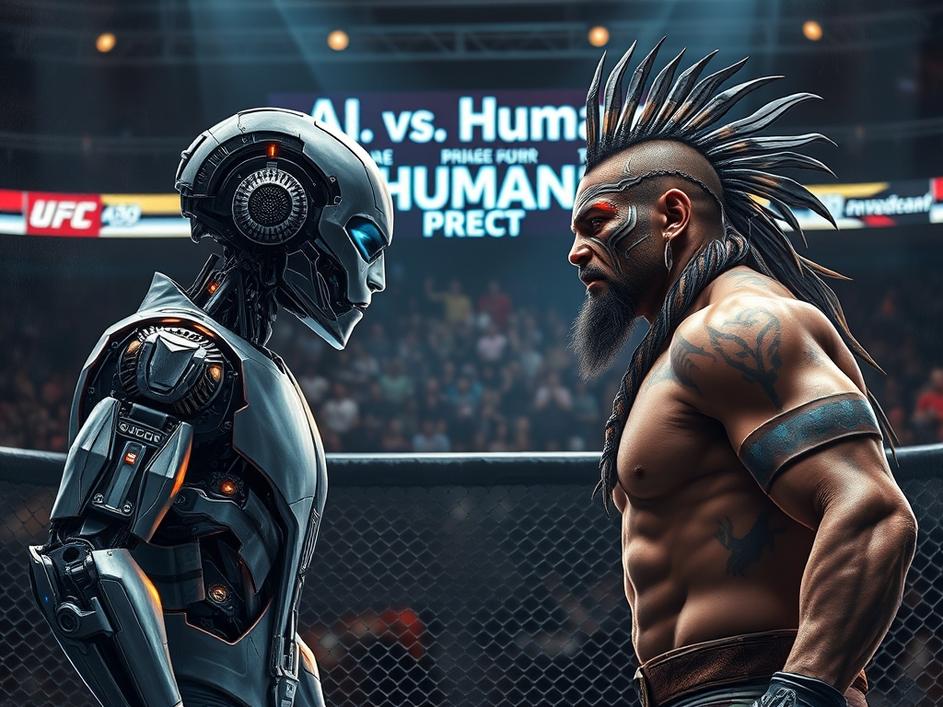
ToggleDana White, the head honcho of the UFC, never shies away from controversy. Recently, he’s stirred the pot again, this time by embracing artificial intelligence in the creation of promotional videos. The move, intended to hype upcoming fights and events, hasn’t been universally welcomed. Some fans and industry observers feel that using AI cheapens the product, stripping away the authenticity and passion that define the sport.
White’s reaction to the criticism has been characteristically blunt. He essentially told the “upset” people to get over it. In his view, AI is a tool, like any other, that can be used to enhance the UFC experience. He seems to believe that clinging to traditional methods is a recipe for stagnation and that embracing new technologies is essential for the organization’s continued growth and relevance. He implies that those complaining are simply resistant to change and don’t understand the bigger picture.
But is it really that simple? The core appeal of the UFC lies in its raw, unfiltered nature. It’s a sport where real people push themselves to their physical and mental limits. The drama stems from genuine rivalries, hard-fought victories, and crushing defeats. Injecting AI into the promotional material risks creating a sanitized, artificial version of reality. Can AI truly capture the grit and emotion that make the UFC so compelling? Many argue that it can’t, and that trying to do so will ultimately dilute the brand.
One of the primary benefits of using AI is efficiency. AI can churn out promotional content faster and cheaper than human editors. This allows the UFC to produce a greater volume of material, targeting different demographics and platforms. However, this efficiency comes at a cost. AI-generated content often lacks the nuance and creativity of human-created content. It can feel generic and formulaic, failing to resonate with viewers on an emotional level. The risk is that the UFC’s promotional videos will become bland and forgettable, ultimately undermining their effectiveness.
The UFC’s embrace of AI raises some important questions about the future of sports promotion. Will other organizations follow suit, relying more and more on AI to create content? Will fans become accustomed to AI-generated material, or will they eventually crave a return to human-driven storytelling? The answers to these questions are uncertain, but one thing is clear: the UFC’s experiment with AI will be closely watched by the entire sports industry.
One significant concern is the potential stifling of human creativity. When AI handles the basic editing and structuring of videos, what role is left for human editors and producers? Are their jobs being devalued and their creative input marginalized? The UFC needs to find a balance between leveraging the efficiency of AI and preserving the creative talent that has helped build the brand. Perhaps AI could be used as a tool to assist human creators, rather than replace them entirely. For instance, AI could handle tedious tasks like footage selection and basic editing, freeing up human editors to focus on the more creative aspects of storytelling.
Another potential issue is the risk of deepfakes and misinformation. As AI technology becomes more sophisticated, it becomes easier to create realistic but fake videos. Imagine an AI-generated video showing a fighter making disparaging remarks about their opponent, or even appearing to cheat during training. Such a video could easily go viral, damaging the fighter’s reputation and potentially impacting the outcome of a fight. The UFC needs to be vigilant about preventing the spread of misinformation and ensuring that its AI-generated content is accurate and truthful.
Ultimately, the success of the UFC’s AI strategy will depend on its ability to balance cost and quality. If the AI-generated content is perceived as cheap and generic, it will likely alienate fans and damage the brand. However, if the AI is used strategically to enhance human creativity and improve efficiency, it could be a valuable asset. The key is to avoid relying too heavily on AI and to remember that the heart of the UFC lies in the human stories of its fighters.
Dana White’s decision to incorporate AI into UFC promo videos reflects a broader trend in the sports and entertainment industries. The allure of increased efficiency and cost reduction is undeniable. However, the risk of losing the human touch – the very thing that makes sports so compelling – is a serious one. The UFC, and indeed the entire sports world, must tread carefully to ensure that technology serves to enhance, not replace, the passion and authenticity that define the games we love. The future of UFC promos will depend on whether the organization can successfully blend the efficiency of AI with the heart and soul of human storytelling.


Comments are closed