

We are a digital agency helping businesses develop immersive, engaging, and user-focused web, app, and software solutions.
2310 Mira Vista Ave
Montrose, CA 91020

2500+ reviews based on client feedback
What's Included?
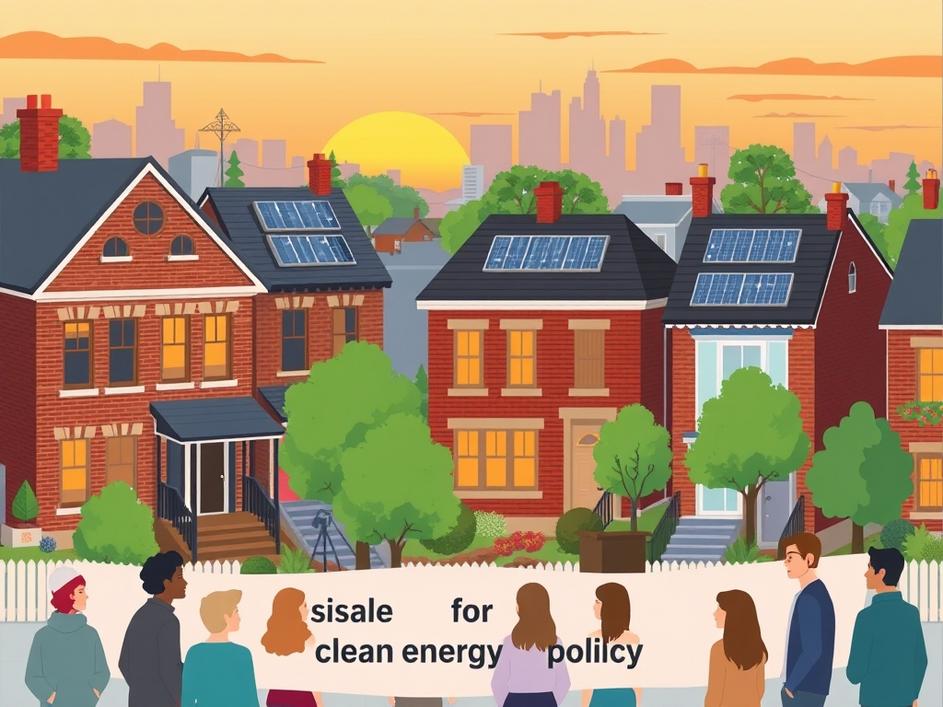
ToggleThe city of Aurora announced a five-year plan to move away from natural gas for most heating needs. The plan aims to lower greenhouse gas emissions from homes and small businesses by a large margin. It includes rules for new building codes, incentives for retrofits, and a path for existing homes to switch to heat pumps and better insulation. The idea is to cut heat emissions, save residents money on energy in the long run, and push the city toward a cleaner future. The announcement drew a mix of reactions. Environmental groups cheered the long view and the potential health benefits. Homeowners worried about upfront costs. Landlords asked about how rents might change. Local vendors saw a chance for new work. The plan sets a tone: the city is willing to take on a big shift, slowly and with a social plan to help people through it.
Aurora plans to fund the shift with a mix of city dollars, state grants, and federal clean energy programs. There will be subsidies for heat pumps, weatherization, and insulation. Low-interest loans will help homeowners cover upfront costs. The total price tag runs into the billions over the decade, but the city argues that the long-term savings on energy bills will offset the cost for many families. The plan also aims to train workers in green trades so jobs stay in the community. Officials say the money will be focused on the biggest savings opportunities: older homes, apartment buildings, and neighborhoods with high energy burden. Still, the math is tricky. A retrofit can cost thousands. Repairs to old plumbing and wiring can appear as surprises. The city plans to spread costs so no one bears an unfair share.
The plan promises cleaner air, quieter neighborhoods, and safer homes. Heat pumps work well in many winters and can keep rooms comfortable even on cold days. People with asthma and allergies could feel the benefits. There should be fewer spikes in energy bills for those who use energy wisely. On the other side, renters worry about rent checks rising to cover the upgrades. Some landlords fear slow leases and higher maintenance costs. The city must guard against leaving out the people who already struggle. The plan promises protections, caps on rent increases, and targeted subsidies. If implemented well, it could widen opportunity for local workers, from installation crews to electricians. The hope is a win for health and jobs as well as climate.
This is a bold move in a city that likes steady progress. The timing matters because federal incentives can change with elections. Critics say the plan could slow housing growth if costs rise too high. Others worry about reliability in very cold winters and about backup heating. Utilities also fear a future where gas sales fall quickly and jobs in their sector shrink. Supporters insist that a plan with clear milestones and independent audits can prevent waste. The city will need strong partnerships with contractors, lenders, and tenant groups. It will also need good data to track progress. If the plan works, it could be a model for nearby towns. If not, it could become a cautionary tale about rushing emissions goals without basic protections.
I see a town trying to balance climate goals with real daily life. It’s easy to cheer for less pollution, clearer air, and quieter streets. It’s harder to make sure that people who rent or live on fixed income are not left behind. A smart path would mix clear rules with real help. Quick wins matter, but steady, fair steps matter more. The plan should include quick wins like free weatherization checks and simple heat pump rebates. It should set up a quick way to review costs and benefits. It should invite neighbors to weigh in, so the plan stays grounded. If Aurora keeps its promises and fixes the holes as they appear, this could become a useful example of practical climate action. The biggest test is fairness and patience as the city moves forward.



Comments are closed