

We are a digital agency helping businesses develop immersive, engaging, and user-focused web, app, and software solutions.
2310 Mira Vista Ave
Montrose, CA 91020

2500+ reviews based on client feedback
What's Included?
ToggleThe artificial intelligence boom is in full swing, and the companies powering this revolution with their cutting-edge chips are seeing massive gains. Two of the biggest players in this space are Micron Technology and Taiwan Semiconductor Manufacturing (TSMC). Both companies are experiencing strong growth, but which one presents the better investment opportunity right now? It’s a complex question, and the answer depends on your investment style and risk tolerance.
Micron specializes in memory and storage solutions, which are absolutely crucial for AI applications. AI models require huge amounts of data to learn, and fast, efficient memory is essential for processing that data quickly. Micron is a leader in this area, particularly with its High Bandwidth Memory (HBM) technology, which is specifically designed for AI workloads. The demand for HBM is skyrocketing, and Micron is well-positioned to capitalize on this trend. Their earnings reports reflect this, showing significant revenue growth driven by AI-related demand.
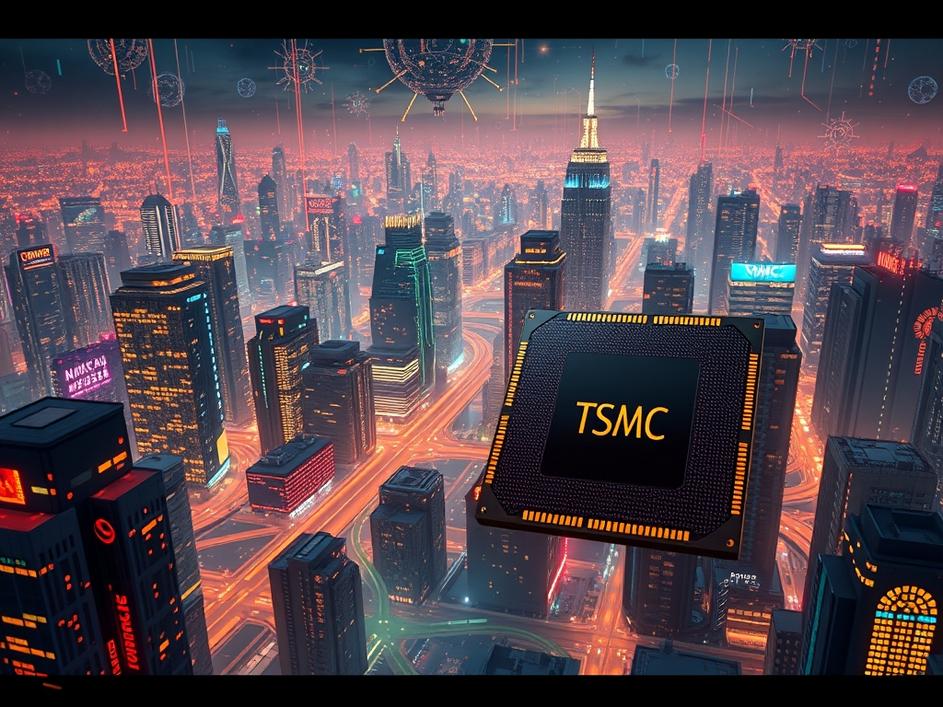
TSMC, on the other hand, is the world’s largest dedicated semiconductor foundry. This means they don’t design their own chips; instead, they manufacture chips for other companies, including major players in the AI space like Nvidia and AMD. TSMC’s advanced manufacturing processes are essential for producing the complex, high-performance chips that power AI systems. They are at the forefront of semiconductor technology, constantly pushing the boundaries of what’s possible. Their dominance in the foundry market gives them a broad exposure to the AI industry, as they benefit from the success of multiple AI chip designers.
Both Micron and TSMC have demonstrated strong financial performance recently. Micron has seen a significant turnaround in its earnings, driven by the increasing demand for its memory solutions, particularly HBM. TSMC continues to generate impressive revenue and profits, thanks to its leading-edge manufacturing capabilities and the overall growth of the semiconductor industry. Looking ahead to 2026, both companies are expected to continue their growth trajectory. The AI market is projected to expand rapidly, and both Micron and TSMC are poised to benefit from this growth. However, the specific drivers of their growth and the associated risks are different.
Micron’s growth is heavily dependent on the demand for memory, particularly HBM, in the AI market. While the outlook for HBM is very positive, there are risks associated with this concentration. Competition in the memory market is fierce, and new technologies could emerge that challenge Micron’s dominance. Furthermore, the memory market is cyclical, and demand can fluctuate significantly. TSMC, on the other hand, has a more diversified business. They manufacture chips for a wide range of industries, including smartphones, automotive, and high-performance computing. This diversification provides some insulation against downturns in specific markets. However, TSMC’s business is also capital-intensive, requiring significant investments in research and development and new manufacturing facilities. Additionally, TSMC faces geopolitical risks, as its operations are primarily located in Taiwan.
When it comes to valuation, both Micron and TSMC trade at premiums, reflecting their growth prospects. However, the specific metrics vary. Micron’s price-to-earnings ratio may appear higher due to its recent earnings recovery, while TSMC’s valuation may be more stable due to its consistent profitability. Investors should consider their own investment goals and risk tolerance when evaluating these companies. Micron offers higher potential growth but also comes with higher risk. TSMC provides more stability and diversification but may offer less upside potential. A final consideration is dividends. TSMC pays a modest dividend, providing some income for investors, while Micron does not currently offer a dividend.
So, which company is the better buy right now? There’s no easy answer. If you’re looking for high-growth potential and are comfortable with higher risk, Micron might be the more appealing option. Their focus on HBM and the booming AI memory market could lead to significant returns. However, if you prefer a more stable investment with a diversified business and a lower risk profile, TSMC might be the better choice. Their dominant position in the foundry market and their exposure to a wide range of industries provide a solid foundation for long-term growth. Ultimately, the decision depends on your individual circumstances and investment preferences.
It’s also worth considering the broader context of the AI industry. The demand for AI chips is expected to continue growing rapidly in the coming years, driven by advancements in AI models and the increasing adoption of AI across various industries. This growth will benefit both Micron and TSMC, as well as other companies in the AI ecosystem. Investors should also consider exploring other opportunities in this space, such as companies that design AI chips, develop AI software, or provide AI infrastructure. The AI revolution is just beginning, and there are many ways to participate in this exciting trend.
In conclusion, both Micron and TSMC are compelling investment opportunities in the AI chip market. Micron offers higher growth potential but also comes with higher risk, while TSMC provides more stability and diversification. Investors should carefully consider their own investment goals and risk tolerance before making a decision. And remember to do your own thorough research and consult with a financial advisor before making any investment decisions.


Comments are closed