

We are a digital agency helping businesses develop immersive, engaging, and user-focused web, app, and software solutions.
2310 Mira Vista Ave
Montrose, CA 91020

2500+ reviews based on client feedback
What's Included?
ToggleIn the ever-competitive world of mobile apps, carving out a niche is crucial for success. Recently, an app called MENU – ORDER AI has managed to do just that, climbing to the top spot for GLP-1 meal searches on the Apple App Store in the United States. This achievement highlights a growing trend: the intersection of technology and specialized dietary needs, specifically catering to individuals using GLP-1 receptor agonists for weight management and diabetes treatment.
GLP-1 receptor agonists, like semaglutide (Ozempic, Wegovy) and liraglutide (Saxenda, Victoza), are medications that help regulate blood sugar and promote weight loss. They work by mimicking the effects of a natural hormone called glucagon-like peptide-1 (GLP-1), which stimulates insulin release, slows down gastric emptying, and reduces appetite. As these medications become more popular, individuals using them often seek dietary guidance to maximize their effectiveness and minimize potential side effects. This is where MENU – ORDER AI steps in, providing a platform for users to find suitable meal options.
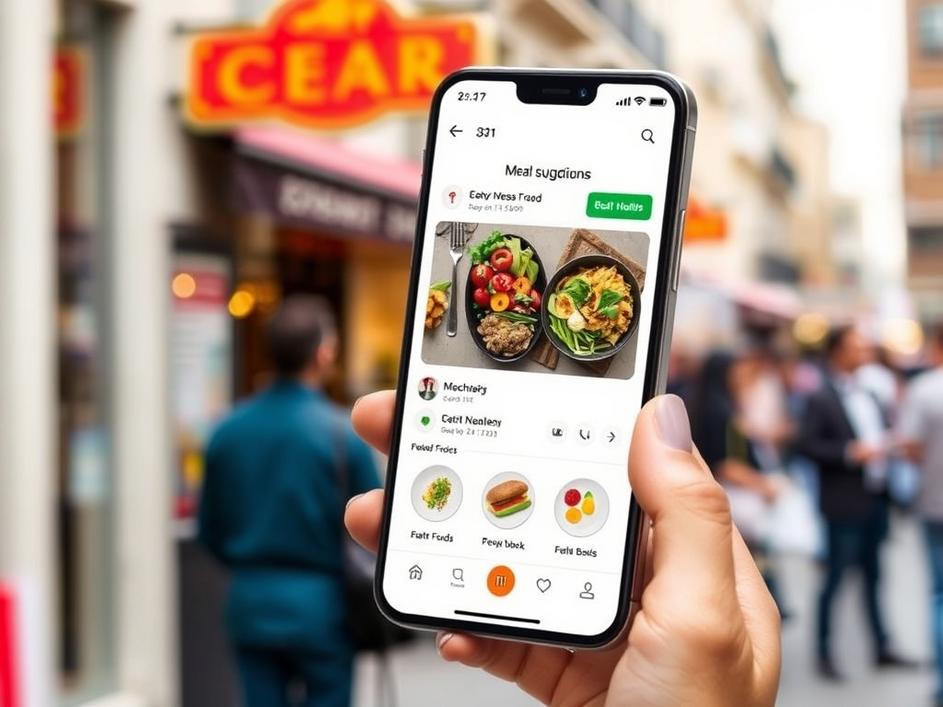
While details on the app’s specific functionality are limited from the press release, we can infer that it likely uses AI to analyze restaurant menus and identify dishes that align with GLP-1 dietary recommendations. This could involve filtering out high-fat, high-sugar, and overly processed foods, while highlighting options that are rich in protein, fiber, and healthy fats. The app might also offer personalized meal suggestions based on individual user profiles, considering factors like calorie goals, dietary restrictions, and preferred cuisines. The “ORDER AI” part of the name suggests a potential for automated ordering or integration with food delivery services, streamlining the meal selection and procurement process.
The success of MENU – ORDER AI underscores the power of targeted solutions in the app market. Instead of trying to be everything to everyone, the app focuses on a specific need within a growing segment of the population. This targeted approach allows for a more focused marketing strategy and a higher likelihood of attracting users who are actively seeking this type of service. Furthermore, the app’s AI-driven functionality likely provides a level of personalization and convenience that traditional diet and nutrition apps may lack. By catering to the unique needs of GLP-1 users, MENU – ORDER AI has positioned itself as a valuable tool in their health management journey.
It’s important to note that while GLP-1 medications can be effective for weight loss, they are most beneficial when combined with a holistic approach to health. This includes a balanced diet, regular exercise, and mindful eating habits. Apps like MENU – ORDER AI can play a supportive role in this process by making it easier for users to make informed food choices and stay on track with their dietary goals. However, it’s crucial to remember that these apps are not a substitute for professional medical advice and guidance. Individuals using GLP-1 medications should always consult with their healthcare providers to develop a comprehensive treatment plan that addresses their individual needs and health conditions.
The rise of MENU – ORDER AI signals a promising future for the use of artificial intelligence in dietary management. As AI technology continues to evolve, we can expect to see even more sophisticated apps that provide personalized meal recommendations, track nutritional intake, and offer real-time feedback on eating habits. These AI-powered tools have the potential to empower individuals to take control of their health and make more informed food choices, ultimately leading to improved health outcomes and a better quality of life. And who knows, maybe we will see similar apps emerging for other specialized diet needs, like ketogenic, paleo, or low-FODMAP diets.
Despite the potential benefits, there are also challenges and considerations to keep in mind as AI becomes more integrated into dietary management. Data privacy is a major concern, as these apps often collect sensitive information about users’ eating habits and health conditions. It’s crucial that app developers prioritize data security and transparency, and that users are fully informed about how their data is being used. Another challenge is ensuring the accuracy and reliability of AI-generated recommendations. While AI can be a powerful tool for analyzing data and identifying patterns, it’s not infallible. It’s important to critically evaluate the information provided by these apps and to consult with healthcare professionals for personalized guidance.
The success of MENU – ORDER AI is more than just a flash in the pan. It shows how tech is adapting to specific health needs, in this case the rising use of GLP-1 medications. The app’s focus on helping users find meals that fit their dietary needs is a smart move, reflecting a larger trend towards personalized health solutions. As more people look for ways to manage their health through diet and lifestyle, we can expect to see even more innovative apps emerge that use AI to make healthy eating easier and more accessible.



Comments are closed