

We are a digital agency helping businesses develop immersive, engaging, and user-focused web, app, and software solutions.
2310 Mira Vista Ave
Montrose, CA 91020

2500+ reviews based on client feedback
What's Included?
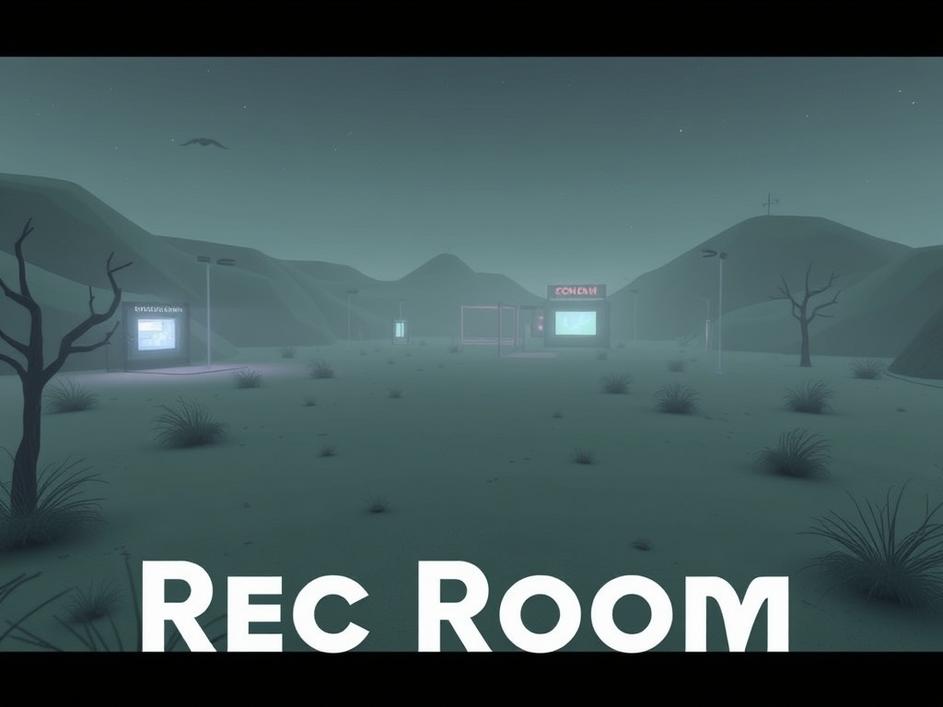
ToggleIt’s always surprising when a platform with a substantial user base calls it quits. Rec Room, a space where players could build and share their own games and experiences, is shutting down on June 1st. This comes as a shock, especially considering the platform boasted over 150 million users and creators. That’s a lot of people! So, what happened?
Rec Room’s concept was simple, yet powerful. It empowered users to become creators, fostering a community around shared experiences. Think of it as a more casual, accessible version of Roblox. People could design their own worlds, games, and activities, and then share them with the wider Rec Room community. This model has proven successful for other platforms, so its failure raises some interesting questions.
Several factors could have contributed to Rec Room’s demise. For starters, competition in the user-generated content space is fierce. Roblox is the behemoth, and there are other platforms vying for attention as well. Standing out from the crowd requires not only a great concept but also flawless execution, smart marketing, and deep pockets. Maybe Rec Room just couldn’t compete effectively against those odds.
Another potential issue could be monetization. Maintaining a platform with millions of users requires significant resources. If Rec Room struggled to find a sustainable business model that generated enough revenue without alienating its user base, that could have put them in a tough spot. Perhaps their in-app purchases weren’t popular enough, or maybe they weren’t able to attract enough advertisers.
And yet another issue might have been content moderation. Allowing users to create anything they want also means that some of those users will inevitably create things that are inappropriate or even harmful. Moderating a massive platform to ensure a safe and positive experience for everyone is a constant challenge. Failing to adequately address this could have driven away users or even attracted unwanted legal attention.
Attracting users is one thing, but retaining them is another. Rec Room may have seen a surge in popularity initially, but perhaps struggled to keep users engaged over the long term. If the platform became stale, or if users felt that the quality of content wasn’t consistently high, they may have moved on to other things. User-generated content platforms also need to actively support their creators. If creators feel unappreciated or unsupported, they’re less likely to invest their time and effort into creating content for the platform.
Also, building a user-generated content platform is not easy. It requires a lot of investment to build the tools that are easy to use for the end users. It needs to have a large library of assets, good documentation and sample code for people to copy and modify. Without these components, it is easy for the content creators to be discouraged and leave the platform.
Rec Room’s closure is a reminder that even in the fast-paced world of social gaming, success is never guaranteed. It highlights the challenges of competing in a crowded market, the importance of sustainable monetization, and the ongoing need for effective content moderation. It doesn’t mean that the concept of user-generated content is flawed, but it does suggest that there’s still plenty of room for innovation and improvement.
Where does social gaming go from here? We can probably expect other companies to learn from Rec Room’s experience and make sure they don’t repeat the same mistakes. The metaverse concept is still popular and there is still a lot of room for new companies and ideas in the market.
It’s hard not to feel a sense of disappointment when a promising platform like Rec Room shuts down. It represents a missed opportunity to create something truly special and valuable for its community. But perhaps its demise will pave the way for something even better. The world of social gaming is constantly evolving, and there’s always room for new ideas and new players to emerge.
Rec Room’s story serves as a cautionary tale for aspiring platform developers. It’s not enough to have a great idea; you also need a solid business plan, a dedicated team, and a commitment to creating a positive and engaging experience for your users. And while the future of Rec Room itself may be uncertain, its legacy will likely live on through the lessons it has taught the industry.



Comments are closed