

We are a digital agency helping businesses develop immersive, engaging, and user-focused web, app, and software solutions.
2310 Mira Vista Ave
Montrose, CA 91020

2500+ reviews based on client feedback
What's Included?
ToggleIn the last week, a batch of local policy moves has started to show up. It’s not one big headline, but a string of small changes that could add up. Cities are aiming for more reliable power, better homes, and safer streets. The folks making these choices say they want life to feel calmer and more predictable, even as the world around them shifts quickly. I read the news and see a pattern. The changes aren’t dramatic on paper, but they push everyday life toward steadier routines and fairer chances. It feels like a gentle push rather than a shove, and that matters.
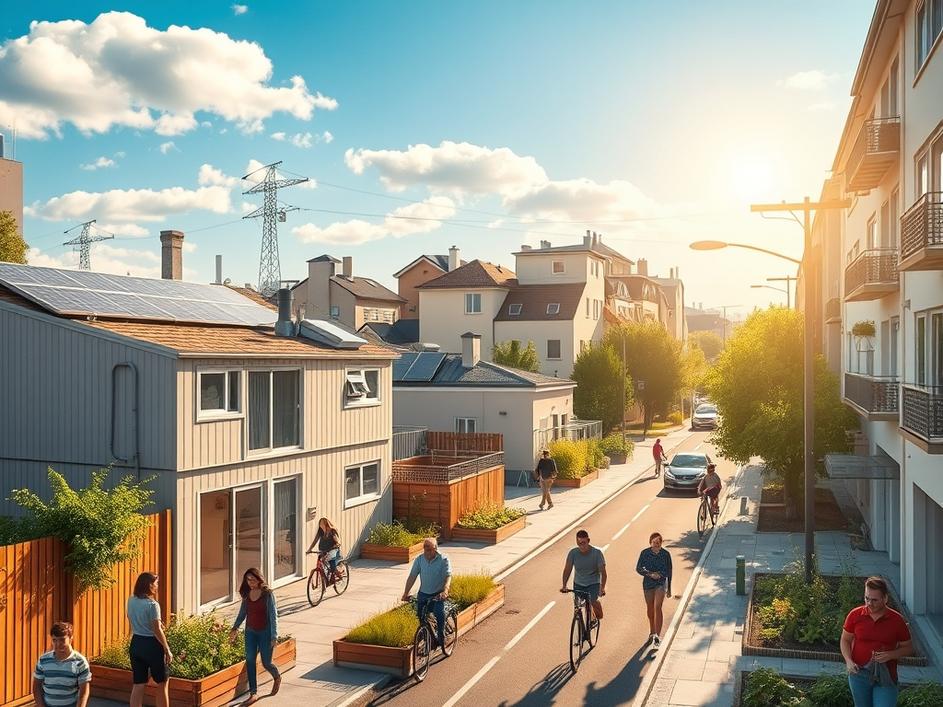
Several towns have started to invest in microgrids and solar on public buildings. The idea is simple: if the main grid falters, neighborhoods can rely on their own sources. It doesn’t solve all problems, but it buys time and keeps critical services flowing. People who live in areas with these projects notice the difference during heat waves or outages. It’s not about flashy tech; it’s about resilience. The practical side is local jobs, quick repairs, and less distance between source and use. The person at the bus stop and the elderly resident in a high-rise can see the benefit in a real way.
On housing, the headlines speak of upzoning and modular construction. The goal is to fit more homes into a given footprint without sacrificing affordability. In practice, this means building near transit, encouraging smaller units, and streamlining permitting. It’s not a cure-all, but it lowers barriers that used to trap families in crowded apartments or long commutes. People who rent will be watching closely to see if these policies actually deliver stable rents and decent space. For too long, the math didn’t add up for many households. If these rules stick, more families can settle where they work and learn, not just where they can afford.
Transit deserves its own room in the conversation. City planners are shaping streets to slow traffic and boost pedestrians and cyclists. Bus lanes, safer crossings, and better timing at lights all add up. The aim is not to ban cars but to make every trip easier on a crowded day. When you can walk to a market or hop on a bus without waiting forever, life follows a calmer rhythm. The social payoff is real too: more chances to mingle, more time with family, less time spent stuck in traffic. It’s small changes that add up to a larger sense of community.
Smart city tools aren’t about gadgets for gadget’s sake. They’re meant to serve people better. Simple dashboards show energy use in a building, alert crews to outages, or guide drivers to avoid crowded routes. The best tech acts like a helpful neighbor: it gives you a nudge when you need it and steps back when you don’t. Safer neighborhoods, quicker repairs, clearer information. But there’s a risk: data can widen gaps if care isn’t taken to include everyone. The newsroom should, and will, look at both sides. Policy should push toward access, not just fancy features behind a paywall or a gated project.
No policy is perfect, and the downside stories will come. Gentrification can creep in when new amenities raise nearby rents. If the benefits aren’t shared broadly, the people who stayed put may feel pushed out. Authorities must set guardrails: transparent budgets, strong tenant protections, and clear accountability. It’s easy to celebrate a bike lane; it’s harder to guarantee it doesn’t displace. The balance is delicate. We need to monitor who gains and who pays the price, and adjust quickly when problems appear.
The bigger picture here is simple. Small policy nudges, local cooperation, and steady investment can change how everyday life feels. It’s not about a single miracle solution but about stacking small wins. When a neighborhood plants a garden, installs a solar panel on a community center, and downloads a better transit schedule, people notice. Trust grows. People believe that the city will stand by them during tough times, not just on election night. If communities keep this pace and stay honest about costs and benefits, the future starts to feel more manageable. It’s not perfect, but it’s real, and that might be enough for now.


Comments are closed