

We are a digital agency helping businesses develop immersive, engaging, and user-focused web, app, and software solutions.
2310 Mira Vista Ave
Montrose, CA 91020

2500+ reviews based on client feedback
What's Included?
ToggleWe’ve all been there: that heart-stopping moment when you realize you’ve made a mistake, especially a big one. For Anthropic, that moment came recently when a manual deployment error exposed the architecture of their coding tool behind Claude, their popular AI assistant. It wasn’t a malicious hack or a sophisticated cyberattack, but a simple slip-up during a software update. This mistake gave outsiders a peek into how Anthropic designs and builds its powerful AI systems.
Boris Cherny, a key figure at Anthropic and the creator of this $2.5 billion coding tool, stepped up to address the situation. His statement emphasized a crucial point: blame shouldn’t fall on a single individual. Instead, he highlighted the system and processes in place. Cherny suggested that when errors like this occur, it points to weaknesses in the overall structure rather than the failings of a specific person. This approach fosters a culture of learning and improvement, instead of finger-pointing and fear.
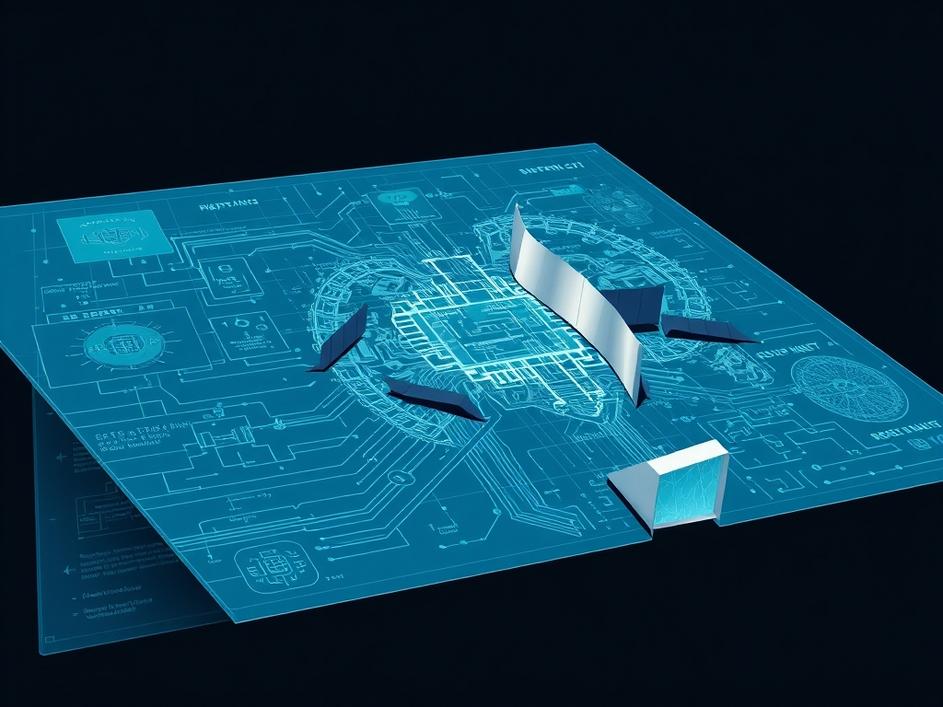
So, what exactly was revealed? The leak wasn’t the AI model’s weights themselves (the core data that makes the AI function), but the blueprint, the system architecture showing how the AI model is built and operates. Think of it like accidentally sharing the architectural plans for a skyscraper, but not the skyscraper itself. This information could be valuable to competitors, giving them insights into Anthropic’s design choices, infrastructure, and the methods they use to train and deploy their AI models. It’s like giving away the recipe, but not the cake.
The immediate aftermath of the leak likely involved some frantic damage control at Anthropic. Security audits were probably ramped up, and the deployment process was definitely put under the microscope. The company needed to quickly assess what information was exposed, who might have accessed it, and what steps were needed to mitigate any potential risks. Communication was key, both internally to reassure employees and externally to maintain trust with users and investors. Transparency in these situations is vital for preserving credibility. The company will need to show they are taking steps to avoid future incidents.
This incident serves as a reminder of the inherent risks in AI development, where security isn’t just about protecting data, but also about safeguarding the intellectual property embedded in the models themselves. As AI becomes more sophisticated and integrated into critical infrastructure, the potential consequences of such leaks become even more significant. It also underscores the importance of robust deployment processes, thorough testing, and a culture of shared responsibility. Every company working with AI needs to learn from Anthropic’s experience and invest in security measures to protect their valuable assets. The open source community has been advocating for transparency in AI development for some time, but this situation shows the line between transparency and security can be very thin indeed.
In the grand scheme, Anthropic’s code leak is a sign of a rapidly maturing AI industry. As companies push the boundaries of what’s possible, mistakes are inevitable. How these companies respond to these mistakes, however, defines their character and shapes the future of the industry. By taking responsibility, focusing on systemic improvements, and communicating openly, Anthropic can turn this incident into a valuable learning experience. This will lead to stronger safeguards, and ultimately, greater trust in AI technology.
Moving forward, AI companies must prioritize security at every stage of development, from initial design to final deployment. This includes implementing stricter access controls, automating deployment processes, and regularly auditing their systems for vulnerabilities. It also means fostering a culture of security awareness among employees, encouraging them to report potential issues without fear of blame. The AI landscape is constantly evolving, and security measures must evolve along with it. Only then can we unlock the true potential of AI while mitigating the risks.
Ultimately, Anthropic’s code leak, while undoubtedly a setback, presents an opportunity. It’s a chance to re-evaluate processes, reinforce security measures, and demonstrate a commitment to transparency and accountability. How Anthropic responds in the coming months will be closely watched by the entire AI community. It could become a model for how to handle similar incidents in the future. The key is to learn from the mistake, adapt to the changing threat landscape, and continue building trustworthy AI systems. This incident highlights the need for robust safety protocols and the importance of a collaborative approach to security in the AI industry. Sharing lessons learned is paramount to preventing similar incidents and fostering a more secure future for AI development.


Comments are closed