

We are a digital agency helping businesses develop immersive, engaging, and user-focused web, app, and software solutions.
2310 Mira Vista Ave
Montrose, CA 91020

2500+ reviews based on client feedback
What's Included?
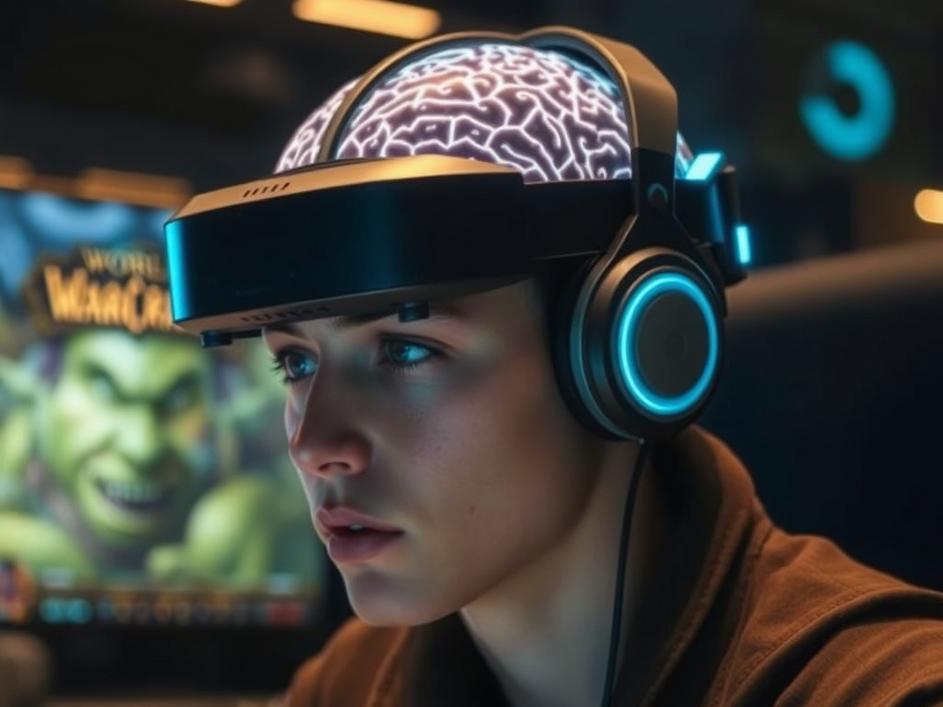
ToggleImagine playing your favorite video game without touching a keyboard, mouse, or controller. Sounds like science fiction, right? Well, a gamer in Britain is turning that sci-fi dream into reality. Przemyslaw Szymanski is playing World of Warcraft (WoW) using only his thoughts. Yes, you read that correctly – his mind is the controller. This isn’t just some tech demo; it’s actual gameplay in one of the world’s most popular online games.
So, how does this work? Szymanski is using a brain-computer interface (BCI). These interfaces are designed to translate brain activity into commands that a computer can understand. Think of it as a super-advanced translator for your thoughts. While the technology is still developing, the implications are huge. It could revolutionize how we interact with computers and the world around us. The technology is not specified in the news article, but BCIs often use sensors to detect electrical activity in the brain. That data is then processed by a computer, which learns to associate specific patterns of brain activity with desired actions. The more the system is used, the better it becomes at interpreting the user’s thoughts.
World of Warcraft has been around for a long time, and it’s known for its complex gameplay and dedicated player base. The idea that someone can jump into the game and play competitively using only their thoughts is pretty amazing. More importantly, BCI technology could open up gaming to people with disabilities who might not be able to use traditional control methods. This could allow more gamers to experience the immersive world of Azeroth. BCI could also be used by people that have been in accidents to make playing regular video games accesible, and it could also make gaming more widely accessible to people with reduced mobility.
Of course, with any new technology, there are ethical considerations. Who controls the technology? How secure is it? Could it be used for malicious purposes? These are important questions that need to be addressed as BCI technology becomes more widespread. But the potential benefits are undeniable. Beyond gaming, BCI could be used to control prosthetic limbs, communicate with people who are paralyzed, and even treat neurological disorders. The potential for abuse, however, exists. Ensuring privacy and security of brain data will be a paramount concern.
This isn’t just about playing World of Warcraft with your mind. It’s about the future of human-computer interaction. Szymanski’s achievement shows us what’s possible when we push the boundaries of technology. Imagine a world where we can control our devices, communicate with others, and even enhance our cognitive abilities using only our thoughts. It sounds like something out of a science fiction movie, but it might be closer than we think.
The implications of this technology extend far beyond entertainment. Consider the possibilities in fields like medicine, education, and even space exploration. Imagine surgeons performing delicate operations remotely using BCI-controlled robotic arms or astronauts controlling equipment on Mars with their minds. This is not just about convenience; it’s about empowering individuals and expanding the limits of human potential.
But let’s not get too carried away. BCI technology is still in its early stages of development. There are challenges to overcome in terms of accuracy, reliability, and usability. The technology also needs to be made more affordable and accessible to the general public. However, the progress that has been made in recent years is remarkable, and it’s exciting to think about what the future holds.
So, the next time you’re battling dragons or exploring virtual worlds in World of Warcraft, remember that someone, somewhere, is doing it with their mind. It’s a reminder that the future is always arriving, one thought-controlled action at a time. It’s a testament to human ingenuity and our relentless pursuit of innovation. And who knows, maybe one day we’ll all be playing games with our minds.



Comments are closed