

We are a digital agency helping businesses develop immersive, engaging, and user-focused web, app, and software solutions.
2310 Mira Vista Ave
Montrose, CA 91020

2500+ reviews based on client feedback
What's Included?
ToggleArtificial intelligence is no longer a futuristic fantasy; it’s rapidly becoming an integral part of our daily lives. From self-driving cars to sophisticated medical diagnoses, AI is transforming industries at an unprecedented pace. But this technological revolution comes with a significant cost: a massive surge in energy consumption. AI data centers, packed with power-hungry processors, require enormous amounts of electricity to operate, and this demand is only going to increase in the coming years. Companies are scrambling to find ways to meet this growing need, and Chevron is making a bold move to capitalize on the trend.
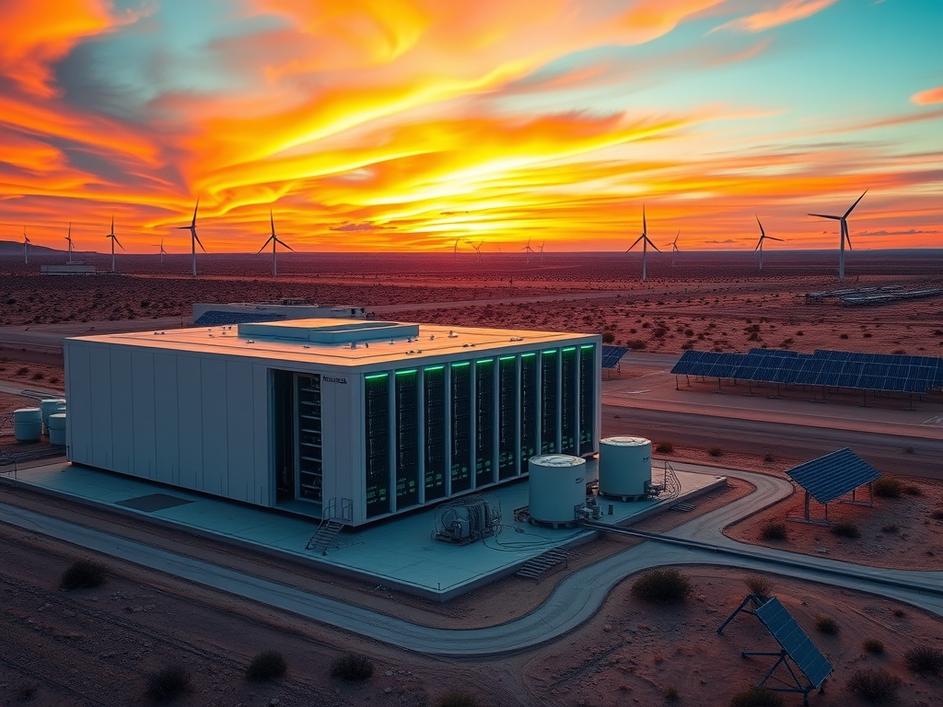
Chevron is reportedly in talks to build a new natural gas-fired power plant in West Texas, specifically to cater to the energy demands of AI-related infrastructure. West Texas, already a hub for oil and gas production, is now emerging as a prime location for data centers due to its relatively cheap energy and land costs. The proposed power plant would provide a dedicated source of electricity for these facilities, ensuring a reliable and consistent power supply. This isn’t just about Chevron selling more gas; it’s about strategically positioning itself at the intersection of two booming industries: energy and artificial intelligence.
With increasing pressure to move to renewable energy, you may ask why natural gas? While renewable energy sources like solar and wind are growing rapidly, they still face challenges regarding reliability and storage. Natural gas, on the other hand, offers a readily available and dispatchable source of power. It can be ramped up or down quickly to meet fluctuating demand, making it a suitable option for powering data centers that require a consistent and uninterrupted energy supply. From Chevron’s perspective, natural gas allows them to leverage their existing infrastructure and expertise while addressing the immediate needs of the AI industry. And, while not carbon neutral, natural gas produces less greenhouse gasses than coal, providing a bridge to a cleaner energy future.
Chevron’s investment could have significant economic implications for West Texas. The construction and operation of the power plant will create jobs and stimulate economic activity in the region. Furthermore, by attracting more data centers, Chevron helps diversify the West Texas economy, reducing its reliance on the volatile oil and gas market. This move could also incentivize infrastructure development, such as improved roads and communication networks, further benefiting the local community. The ripple effects of this investment could be substantial, transforming West Texas into a major technology and energy hub.
Chevron’s move is indicative of a broader trend: the growing convergence of the energy and technology sectors. As AI continues to evolve and its energy demands escalate, we can expect to see more partnerships and investments that bridge these two industries. Energy companies will need to adapt to the changing landscape, embracing new technologies and strategies to meet the needs of the digital age. This could involve investing in renewable energy sources, developing energy storage solutions, or, as Chevron is doing, focusing on providing reliable power for data centers. The future of energy is inextricably linked to the future of AI, and companies that recognize this connection will be best positioned for success.
Chevron’s decision to invest in a West Texas gas plant is a calculated gamble. It acknowledges the growing role of AI and its insatiable demand for power. While not without environmental considerations, the move positions Chevron to profit from the trend. It’s a signal that the energy industry is adapting to the demands of the digital age, and it will be interesting to see how this plays out in the coming years. The success of this project could pave the way for similar investments in other regions, further solidifying the link between energy and AI.
One of the most pressing questions surrounding this development is the role of renewable energy. While natural gas may be a practical solution in the short term, it’s not a long-term sustainable option. Chevron, and other energy companies, will need to address the environmental impact of their operations and invest in renewable energy sources to meet the growing demand for clean power. This could involve partnering with renewable energy developers, investing in carbon capture technologies, or developing new and innovative energy solutions. The transition to a sustainable energy future will require a multifaceted approach, and it’s crucial that companies like Chevron play a leading role in driving this change.
The rise of AI is transforming the world as we know it, and its impact on energy demand cannot be ignored. Chevron’s investment in a West Texas gas plant is a bold move that highlights the growing importance of reliable power for data centers. While natural gas may not be the ultimate solution, it represents a pragmatic step towards meeting the immediate needs of the AI industry. As technology continues to evolve, it’s crucial that we find sustainable and innovative ways to power our digital world. The future is electric, and it will require a collaborative effort from energy companies, technology developers, and policymakers to ensure a clean and sustainable energy future for all.


Comments are closed