Why this plan matters now
In recent weeks the news has centered on climate talks and big spending. This plan tries to fix two big questions at once: cut pollution and keep the jobs people count on. It is not a magic wand. It is a bundle of steps that asks people and businesses to change a few habits. If it works, the air will get cleaner and the electricity bill might not spiral upward. If it falters, we will see delays and more complaints. It is a story about how fast the world can change without leaving people behind. Communities that live with polluted air or crowded commutes have a stake in this. People will judge this plan by what changes they actually feel in their everyday lives.
What is actually in the plan
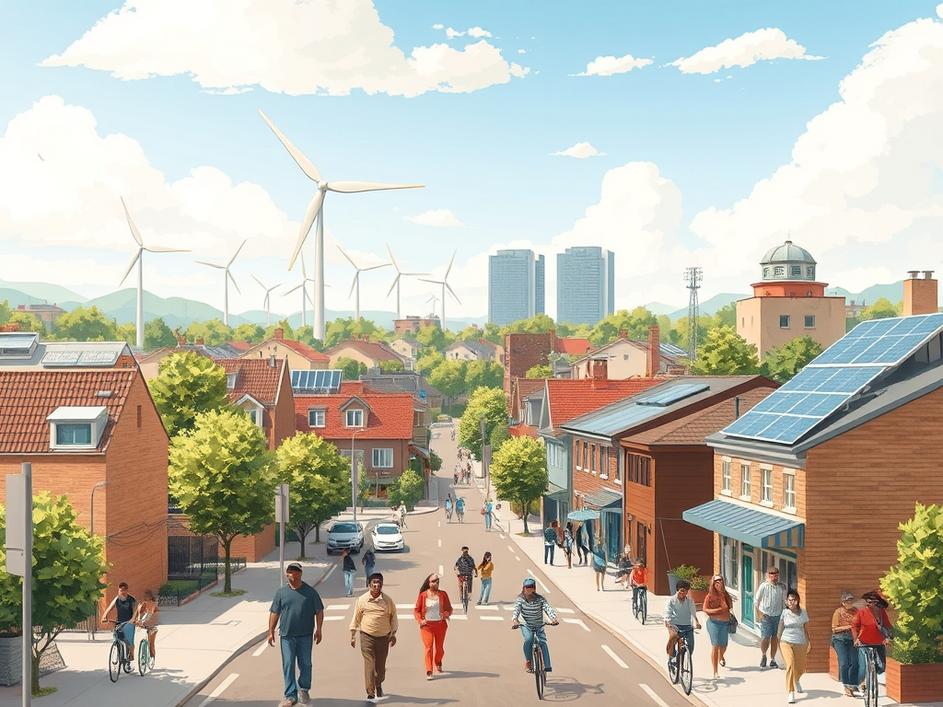
It bundles a set of ideas. There is money for wind, solar, and storage projects. There are rules to price pollution and push big emitters to clean up. There are loans and subsidies for home upgrades like better insulation and heat pumps. There is funding for transit, bridges that support bikes, and grid upgrades so power is steadier. It is a lot to take in, and some parts feel new while others feel familiar. The real test is how these pieces fit together in the real world and how quickly they can show results. And storage tech could be the hinge that keeps power steady on stormy days.
Who pays and who benefits
People worry about their bills, and that is fair. New taxes and charges can hit households hardest. The plan promises rebates and discounts for low income families, but the exact rules matter. Small businesses worry about compliance costs and disruption. The upside is long term savings from lower energy use and fewer weather scares. Also, a shift to renewables can create steady jobs in construction, maintenance, and tech. The balance will shape support or resistance in communities, especially those with tight budgets. If done right, communities that often get left out can see real relief.
Jobs, training, and a fair transition
A green push does not happen on paper. It needs workers who know how to install panels, retrofit homes, run new grids, and maintain turbines. The plan mentions training programs and local hiring rules. That matters because some places have strong unions or a blue collar tradition. If people see real paths—good pay, predictable hours—support grows. Without this, the plan risks leaving towns behind. A fair transition means listening to workers in coal regions and industrial towns as we move toward cleaner energy. The longer we wait, the harder it gets.
The politics and pace of rollout
Timing matters. Governments often promise more than they can deliver quickly. The rollout will test how well agencies work together. Transparency becomes a must. People want to know where money goes and how progress is measured. If the numbers do not add up, skepticism grows. On the flip side, careful rollout can prevent price shocks and keep stability in the market. The public will judge the plan by results, not slogans. Local leaders need room to adapt ideas to their towns.
My take: staying grounded in reality
I will admit I am cautious. Big policy moves can sound good on paper but stumble in practice. The plan has potential, but only if it stays practical, clear, and fair. I would like to see simple guides for households, clear benchmarks, and honest updates on what works. The goal is not clean air alone; it is a steadier life for families. If we keep the pace steady and listen to locals, we have a real chance of turning promises into everyday improvements. The future will not arrive with one announcement; it will arrive with steady steps that people can feel in their wallets, streets, and neighborhoods.






Comments are closed