

We are a digital agency helping businesses develop immersive, engaging, and user-focused web, app, and software solutions.
2310 Mira Vista Ave
Montrose, CA 91020

2500+ reviews based on client feedback
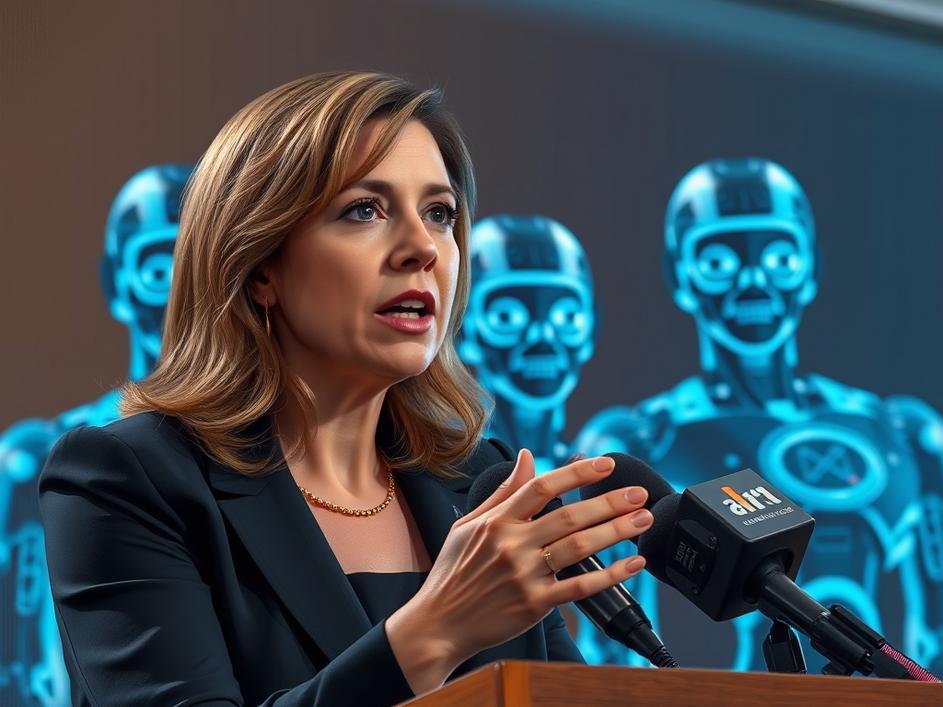
Hannah Einbinder, known for her role in the HBO series “Hacks,” recently stirred up a bit of a storm by calling AI creators “losers.” This wasn’t some carefully crafted PR statement; it was a raw, unfiltered opinion shared during a press conference for the show’s final season. And honestly, it’s refreshing to hear someone in Hollywood speak so candidly, even if it ruffled some feathers.
AI’s creeping into every corner of the entertainment industry, from scriptwriting to generating visual effects. There’s a lot of talk about how AI can boost efficiency and cut costs, which appeals to studios focused on the bottom line. But what about the human element? The creativity, the passion, the years of training and experience that go into making art? That’s what Einbinder seems to be defending.
Okay, “losers” might be a harsh word, but let’s unpack it. Maybe Einbinder’s not attacking the people themselves, but the mindset. The idea that you can replace human artistry with an algorithm, that you can shortcut the creative process and still produce something meaningful. That’s where the “loser” label might apply. If your goal is purely to maximize profit at the expense of artistic integrity, then yeah, that’s a pretty bleak outlook.
There’s a very real fear among actors, writers, and other creatives that AI will eventually replace them. It’s not just about losing jobs; it’s about the devaluation of their craft. If a studio can use AI to generate a passable script or digitally insert an actor into a scene, what’s the incentive to hire real people? This fear fuels the resentment towards AI and those who champion it without considering the human cost. And it has become more of an issue after the actors strike.
Of course, AI isn’t inherently evil. It has the potential to be a powerful tool for artists. Imagine using AI to help with tedious tasks, like rotoscoping or generating background textures. Or using it to explore new creative avenues, like creating interactive narratives or personalized experiences. The problem isn’t AI itself, but how it’s being used and who benefits from it. If it’s solely about replacing human labor and squeezing out more profit, then we’re heading down a dangerous path. It has been suggested that these are the issues that need to be taken into account.
At the heart of all art is human connection. We watch movies, listen to music, and read books to feel something, to connect with characters and stories on an emotional level. Can AI truly replicate that? Can it capture the nuances of human experience, the complexities of love, loss, and everything in between? Maybe someday, but I’m not holding my breath. There’s something inherently human about art that AI, at least in its current form, can’t replicate. And it is the hope that this is something that can’t be replaced.
Einbinder’s comments, while provocative, highlight the need for a more ethical approach to AI development in the entertainment industry. We need to consider the impact on human artists and ensure that AI is used as a tool to enhance creativity, not replace it. We need to have open and honest conversations about the future of art and the role of AI in it. And we need to remember that art is about more than just profit; it’s about human expression, connection, and the stories that bind us together.
So, are AI creators “losers”? Maybe not all of them. But Einbinder’s words serve as a wake-up call. A reminder that we need to approach AI with caution, with empathy, and with a deep respect for the human artists who bring stories to life. The future of entertainment depends on finding a balance between technological innovation and human creativity. Because without that balance, we risk losing something truly special.

Comments are closed