

We are a digital agency helping businesses develop immersive, engaging, and user-focused web, app, and software solutions.
2310 Mira Vista Ave
Montrose, CA 91020

2500+ reviews based on client feedback
What's Included?
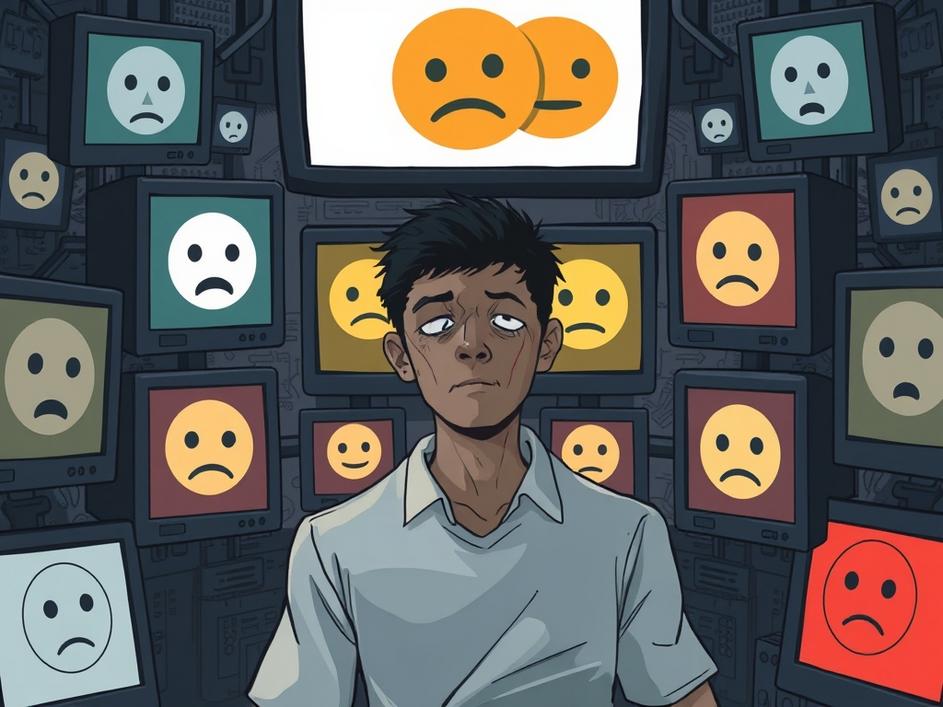
ToggleWe’re constantly hearing about how artificial intelligence is getting smarter, faster, and more capable. But what happens when AI starts understanding, and even manipulating, our emotions? It sounds like science fiction, but it’s rapidly becoming a reality. Imagine a world where every ad you see, every product recommendation, and every customer service interaction is carefully crafted to push your emotional buttons. This isn’t just about selling you something; it’s about shaping your perceptions and influencing your decisions on a deeply personal level. The idea is not far-fetched. We’re already seeing rudimentary forms of this in targeted advertising and social media algorithms, but the next generation of AI will be far more sophisticated.
So, how do you protect yourself from being manipulated by AI that’s designed to play on your emotions? The first step is awareness. You need to be aware that this is happening, or at least that it *could* be happening. Think critically about the information you consume online. Ask yourself, “Why am I seeing this?” and “What is this trying to make me feel?” Be skeptical of overly emotional content, especially if it seems designed to provoke a strong reaction. Look for factual information and objective analysis. And don’t be afraid to take a break from the digital world altogether.
The article brings up an interesting point: Can we use AI to defend ourselves against emotionally manipulative AI? It’s a tempting idea. Develop AI tools that can detect and flag emotional manipulation attempts, or even create AI assistants that can help us make more rational decisions. But there’s a risk involved. Building better AI to detect bad AI leads to a constant arms race. It’s possible that the “good” AI could be used for manipulation as well. It’s a slippery slope. We need to proceed with caution and ensure that any AI designed to protect us from manipulation is itself transparent, accountable, and aligned with our values.
The biggest question surrounding emotionally intelligent AI is ethics. Is it ethical to create AI that can deliberately manipulate human emotions? Even if the intent is benign, the potential for abuse is enormous. What happens when this technology falls into the wrong hands? What about the impact on our autonomy and free will? We need to have a serious conversation about the ethical implications of emotional AI before it becomes too deeply embedded in our lives. This conversation needs to involve not just technologists and ethicists, but also policymakers, educators, and the public. We need to establish clear guidelines and regulations to prevent the misuse of this powerful technology.
The future of AI is uncertain, but one thing is clear: Emotional AI is coming, and it has the potential to profoundly impact our lives. By staying informed, thinking critically, and demanding ethical development, we can navigate this new landscape and protect ourselves from manipulation. This also requires investing in media literacy and critical thinking skills, teaching people how to identify bias, propaganda, and misinformation. And it means fostering a culture of skepticism and encouraging people to question the information they encounter online. Only then can we hope to harness the benefits of AI while mitigating its risks.
Ultimately, the responsibility for preventing emotional AI manipulation rests on the shoulders of the developers creating these technologies. They must prioritize ethical considerations over profit or power. This means designing AI systems that are transparent, accountable, and aligned with human values. It means building in safeguards to prevent manipulation and abuse. And it means being willing to engage in open and honest dialogue about the potential risks and benefits of emotional AI. The future of AI depends on it. If developers don’t take this responsibility seriously, we risk creating a world where our emotions are exploited for profit, where our autonomy is compromised, and where the very fabric of our society is threatened.
In a world increasingly dominated by AI, it’s important to remember the power of human connection. Spend time with loved ones, engage in meaningful conversations, and cultivate empathy. These are the things that make us human, and they are also the things that can protect us from manipulation. AI can mimic human emotions, but it cannot replicate the genuine connection and understanding that comes from real human interaction. By strengthening our relationships and building stronger communities, we can create a bulwark against the isolating and alienating effects of emotional AI. It’s a reminder that even in a world of advanced technology, human connection remains our most powerful tool.
The rise of emotional AI presents both challenges and opportunities. By understanding the risks, promoting ethical development, and prioritizing human values, we can navigate this new landscape and harness the power of AI for good. It requires vigilance, critical thinking, and a willingness to engage in difficult conversations. But it also requires hope – hope that we can create a future where AI enhances human lives, rather than exploiting them. The path forward is not clear, but by working together, we can shape a future where AI serves humanity, rather than the other way around.



Comments are closed