

We are a digital agency helping businesses develop immersive, engaging, and user-focused web, app, and software solutions.
2310 Mira Vista Ave
Montrose, CA 91020

2500+ reviews based on client feedback
What's Included?
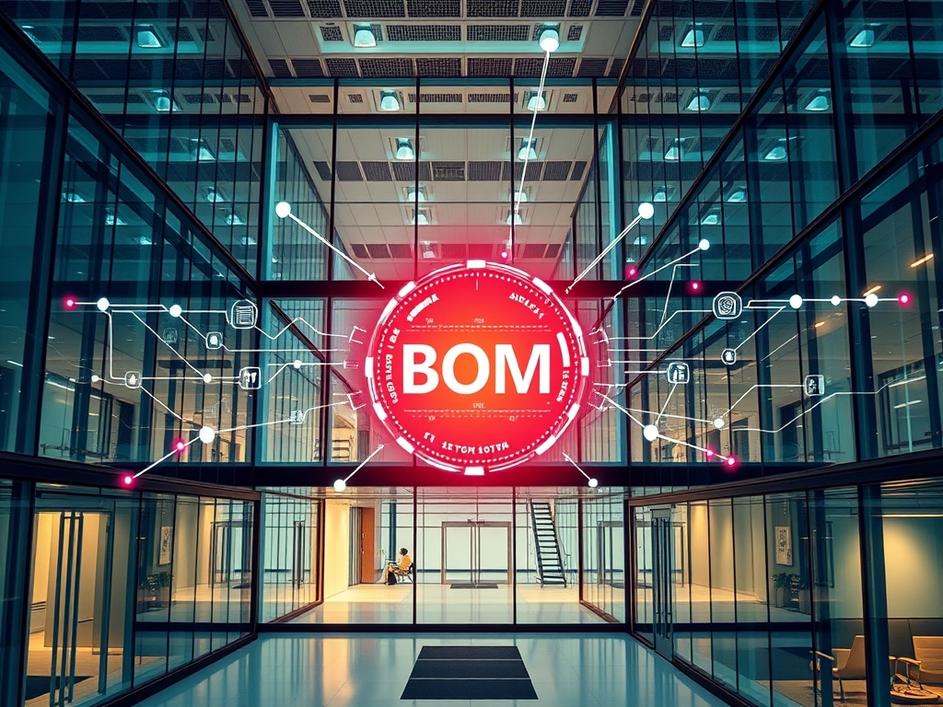
ToggleImagine a building that anticipates your needs, adjusts to your preferences, and operates with maximum efficiency. This isn’t just a futuristic fantasy; it’s the promise of smart buildings, made increasingly real by the convergence of the Internet of Things (IoT) and Building Management Systems (BMS). The news from MultiTech Systems about their new Niagara Driver signals a significant step forward in making this integrated vision a reality.
At its core, the Niagara Driver acts as a translator, allowing IoT devices to communicate seamlessly with BMS platforms. Think of it as a universal adapter for the world of building automation. BMS platforms, like Tridium’s Niagara Framework, are the brains of modern buildings, controlling everything from HVAC and lighting to security and access control. The challenge has always been integrating the vast array of IoT sensors and devices into these systems. Until now, integrating IoT devices into BMS systems could be a complex, time-consuming, and often expensive process. Each device type might require a custom integration, creating a fragmented and difficult-to-manage ecosystem.
The beauty of the Niagara Driver lies in its ability to standardize this integration process. By providing a unified interface, it simplifies the connection of diverse IoT devices, regardless of their manufacturer or communication protocol. This means building managers can easily incorporate data from a wider range of sources, gaining a more comprehensive view of their building’s performance and environment. Real-time data from environmental sensors, occupancy detectors, and energy meters can be fed directly into the BMS, enabling intelligent automation and optimization. For example, if multiple IoT sensors detect a drop in air quality, the BMS could automatically increase ventilation rates, improving the health and well-being of occupants. Or, if occupancy sensors indicate that a particular area is unoccupied, the BMS could reduce lighting and HVAC in that zone, saving energy and reducing costs. This level of granular control and responsiveness was simply not possible with traditional BMS architectures.
The convergence of IoT and BMS opens up possibilities far beyond simple energy savings. Think about predictive maintenance. By analyzing data from IoT sensors embedded in critical equipment, the BMS can identify potential failures before they occur, allowing for proactive maintenance and preventing costly downtime. This can extend the lifespan of equipment, reduce maintenance costs, and improve the overall reliability of building operations. Enhanced security is another key benefit. Integrating IoT-enabled security cameras, access control systems, and intrusion detection sensors into the BMS can create a more robust and responsive security posture. Real-time alerts can be triggered based on sensor data, enabling security personnel to quickly respond to potential threats.
Of course, the widespread adoption of integrated IoT and BMS solutions is not without its challenges. Data security and privacy are paramount concerns, especially as buildings become increasingly connected. Robust security measures are essential to protect sensitive data from unauthorized access and cyber threats. Interoperability is another key consideration. While the Niagara Driver helps to standardize integration, ongoing efforts are needed to ensure that different IoT devices and BMS platforms can seamlessly communicate with each other. As the number of connected devices continues to grow, the complexity of managing and analyzing data will also increase. Building managers will need to invest in tools and training to effectively leverage the insights generated by these systems. But the potential benefits of integrated IoT and BMS are too significant to ignore. As technology continues to evolve, we can expect to see even more innovative applications emerge, transforming the way we design, build, and operate our buildings.
MultiTech’s Niagara Driver is more than just a technical innovation; it’s an enabler of a smarter, more sustainable future. By connecting the dots between IoT and BMS, it empowers building managers to create more efficient, comfortable, and secure environments. As the world becomes increasingly urbanized, the importance of smart buildings will only continue to grow. They represent a critical piece of the puzzle in creating more sustainable and resilient cities. This driver technology helps to make buildings more responsive to the needs of their occupants and the environment, driving costs down and overall quality of life up.


Comments are closed