

We are a digital agency helping businesses develop immersive, engaging, and user-focused web, app, and software solutions.
2310 Mira Vista Ave
Montrose, CA 91020

2500+ reviews based on client feedback
What's Included?
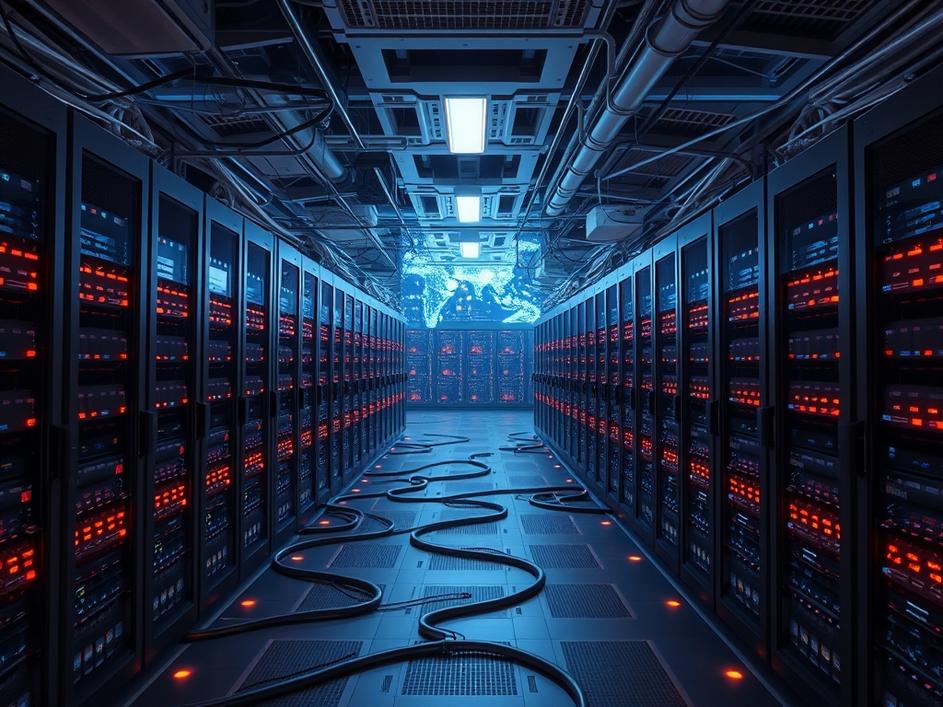
ToggleWe live in an age of instant information. From streaming movies to video calls with family across the globe, everything feels seamless. But behind all this digital magic lies a critical, often overlooked infrastructure: the data center. These aren’t just server rooms; they’re massive, complex ecosystems that power our connected world. A new report from The AI Journal, “Data Centres – Exploring the Epicentres of a Connected World,” shines a spotlight on these essential facilities, and it’s a topic we all should understand better.
When you picture a data center, you might imagine rows upon rows of blinking servers. And you wouldn’t be entirely wrong. But that’s just a small part of the story. Modern data centers are incredibly sophisticated. They include advanced cooling systems to prevent overheating, robust security measures to protect sensitive data, and redundant power supplies to ensure continuous operation. They are designed for maximum uptime and resilience, because even a few minutes of downtime can have huge consequences. Think about what happens when your favorite social media platform goes down – it’s usually due to a problem at a data center.
The report’s focus on data centers is particularly relevant given the rise of artificial intelligence. AI models require massive amounts of data and computing power to train and run. These needs are primarily met by data centers. As AI becomes more integrated into our daily lives, from powering virtual assistants to driving autonomous vehicles, the demand for data center capacity will only increase. The growth of AI is inextricably linked to the growth and evolution of data centers, making them essential for future progress.
Data center location is a surprisingly important factor. They need to be located in areas with reliable power grids, good network connectivity, and minimal risk of natural disasters. Some companies are even building data centers near renewable energy sources, such as wind farms or solar plants, to reduce their environmental impact. Finding the perfect location involves balancing a complex set of factors, and the choices made have significant implications for cost, performance, and sustainability.
Running these massive facilities requires a lot of energy, raising concerns about their environmental impact. Data centers are significant consumers of electricity, and their carbon footprint can be substantial if they rely on fossil fuels. However, there’s a growing push for data centers to become more sustainable. This includes using more energy-efficient hardware, implementing advanced cooling technologies, and sourcing renewable energy. Many companies are setting ambitious goals to become carbon neutral, and data centers are a key part of achieving those targets. The AI Journal report likely delves into these sustainability efforts, which are becoming increasingly important to consumers and investors alike. And many newer builds are aiming for a zero water footprint, a goal that is becoming more common.
Data centers hold vast amounts of sensitive information, making them attractive targets for cyberattacks. Protecting this data is a top priority, and data centers employ a range of security measures, including physical security (like surveillance and access controls) and cybersecurity (like firewalls and intrusion detection systems). The threat landscape is constantly evolving, so data centers must continuously adapt their security protocols to stay ahead of potential attackers. Any breach of security can cause catastrophic damage, so there is a zero-tolerance policy.
The AI Journal’s report will likely explore future trends in the data center industry. We can expect to see continued innovation in areas like cooling technology, energy efficiency, and automation. Edge computing, which involves processing data closer to the source, is also likely to play a bigger role in the future. This will lead to the creation of smaller, more distributed data centers that can support low-latency applications like autonomous vehicles and augmented reality. As technology advances, data centers will continue to evolve to meet the ever-increasing demands of our connected world. And as the internet of things explodes with more and more data being collected, the more data centers will continue to grow and advance.
Even if you’re not a tech expert, understanding the role of data centers is important. They are the foundation of the digital services you use every day. They influence everything from the speed of your internet connection to the security of your online transactions. By paying attention to the trends and challenges facing the data center industry, you can gain a better appreciation for the complex infrastructure that underpins our modern lives. And as we continue to rely more and more on digital technology, the importance of data centers will only continue to grow.
Data centers are the unglamorous but essential engines of our digital world. They’re not something most of us think about on a daily basis, but they’re quietly working behind the scenes to keep everything running smoothly. The AI Journal’s report is a welcome reminder of their importance and a valuable resource for anyone who wants to understand the inner workings of our connected society. It is great that there is more research and reporting being done on these important, but generally unknown, places.



Comments are closed